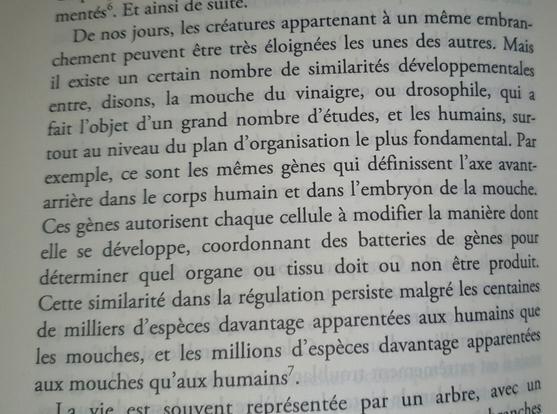
 moki
moki2 more recommendations: ROBIN WALL KIMMERER "Gathering Moss: A Natural and Cultural History of Mosses" + THOMAS HALLIDAY "Otherlands: A Journey Through Earth's Extinct Worlds"
The biologist Robin wall Kimmerer, a member of the Citizen Potawatomi Nation of the Great Plains region of the United States, observes that the indigenous Potawatomi language is rich in verb forms that attribute aliveness to the more than human world.The word for hill, for examples a verb: “to be a hill” Hills are always in the progress of hilling, they are actively being hills- Equipped with this ‘grammar of anomaly’, it is possible to walkabout the life of other organisms without tighter reducing them to an ‘it’, or borrowing concepts traditionally reserved for humans. By contrast, in English, writes Kimmerer there is no way to recognise the ‘simple existence of another living being’. If you’re not a human subject, by default you’re an inanimate object: an ‘it’, a ‘mere thing’. If you are repurpose a human concept to help make sense of the life of a non-human
organism, you’ve tumbled into the trap of anthropomorphism. Use ‘it’, and you’ve objectified the organism, and fallen into a different trap.
Biological realities are never black and white. Why should the stories and metaphors we use to make sense of the world — Our investigative tools — be so? Might we be able to expand some of our concepts, such that speaking might not always require a mouth, hearing might not always require ears, and interpreting might not always require a nervous system? Are we able to do this without smothering other life forms with prejudice and innuendo?
(this text is by merlin sheldrake about kimmerer)
@braidingsweetgrassbook #kimmerer #thomashalliday
The biologist Robin wall Kimmerer, a member of the Citizen Potawatomi Nation of the Great Plains region of the United States, observes that the indigenous Potawatomi language is rich in verb forms that attribute aliveness to the more than human world.The word for hill, for examples a verb: “to be a hill” Hills are always in the progress of hilling, they are actively being hills- Equipped with this ‘grammar of anomaly’, it is possible to walkabout the life of other organisms without tighter reducing them to an ‘it’, or borrowing concepts traditionally reserved for humans. By contrast, in English, writes Kimmerer there is no way to recognise the ‘simple existence of another living being’. If you’re not a human subject, by default you’re an inanimate object: an ‘it’, a ‘mere thing’. If you are repurpose a human concept to help make sense of the life of a non-human
organism, you’ve tumbled into the trap of anthropomorphism. Use ‘it’, and you’ve objectified the organism, and fallen into a different trap.
Biological realities are never black and white. Why should the stories and metaphors we use to make sense of the world — Our investigative tools — be so? Might we be able to expand some of our concepts, such that speaking might not always require a mouth, hearing might not always require ears, and interpreting might not always require a nervous system? Are we able to do this without smothering other life forms with prejudice and innuendo?
(this text is by merlin sheldrake about kimmerer)
@braidingsweetgrassbook #kimmerer #thomashalliday
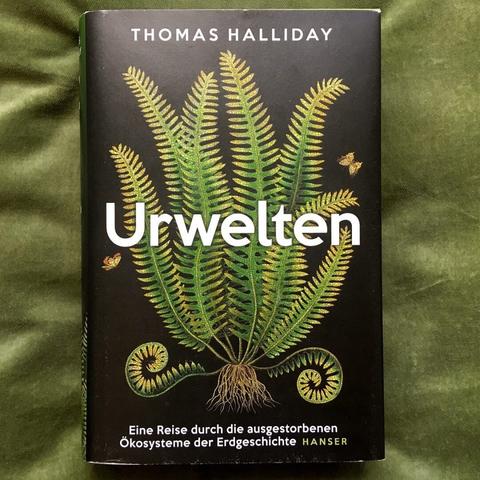
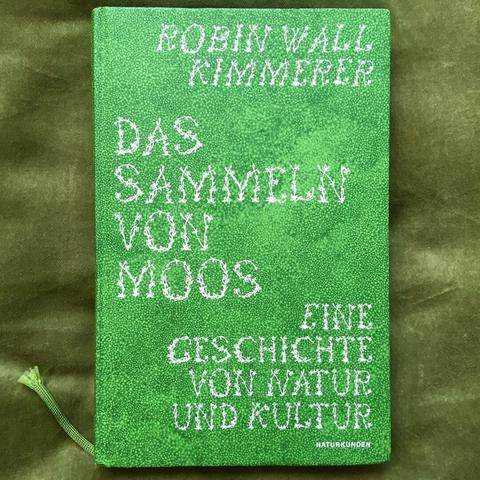
 TheEdinburghBookshop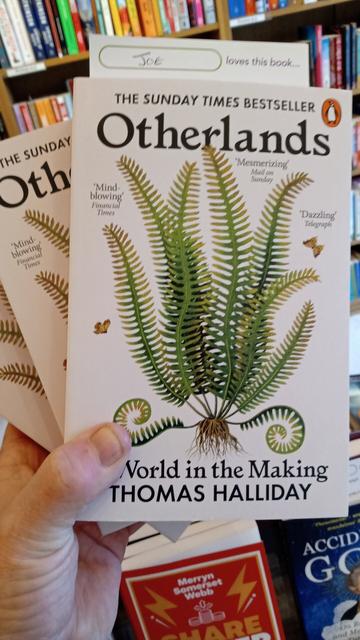
 Joël Métreau