 Liminal Fiction
WRITER FUEL: Earth may have a moon today because a nearby neighbor once crashed into us, a new analysis of Apollo samples and terrestrial rocks reveals.
https://www.limfic.com/2026/06/28/writer-fuel-earth-once-had-a-twin/
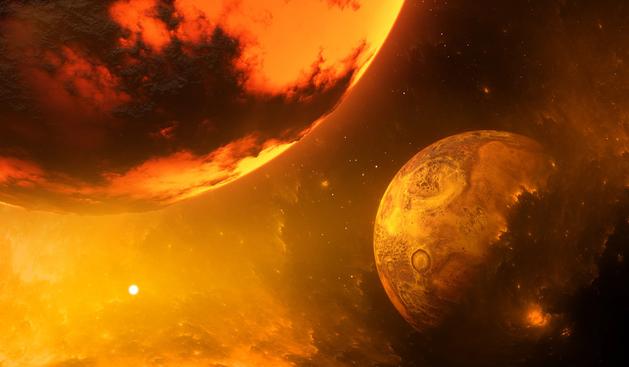
WRITER FUEL: Earth may have a moon today because a nearby neighbor once crashed into us, a new analysis of Apollo samples and terrestrial rocks reveals.
https://www.limfic.com/2026/06/28/writer-fuel-earth-once-had-a-twin/
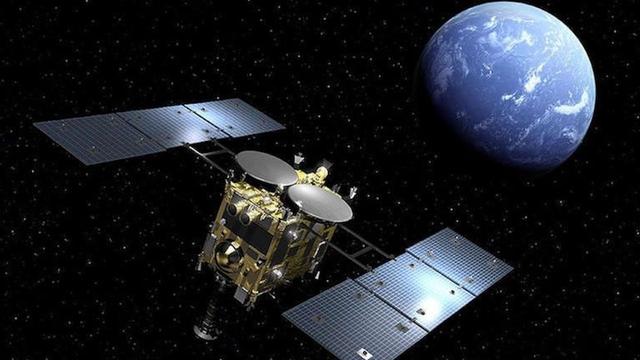
Japanese probe set for super-close flyby on July 5: 'We're going to discover another beast to put in the zoo of asteroids'

2026-06-28 12:00:00 UTC (Delta: 2026-06-21)
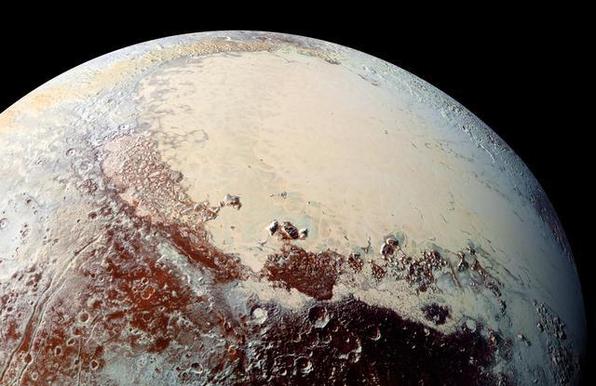
PLUTO [ *1930 +2006 ]
- Distance (km): 5,183,119,069.24 km (-8,496,612.38 km)
- Distance (AU): 34.65 (-0.06)
- Light travel time: 4 h 48 min 9.02 s (-28.34 s)
- Orbital speed: 5.24 km/s (+0.01 km/s)
Image: Sputnik Planum, in Color
Credit: NASA/Johns Hopkins University Applied Physics Laboratory/Southwest Research Institute
2026-06-27 12:00:00 UTC (Delta: 2026-06-20)
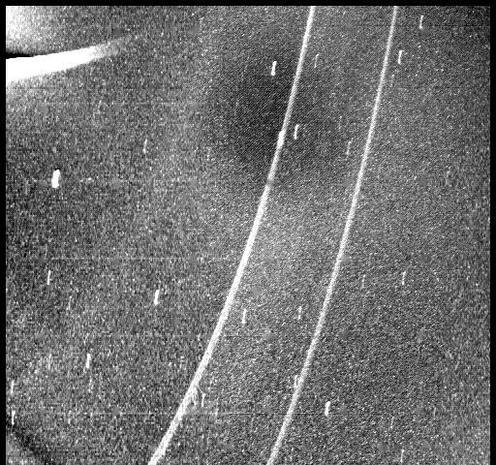
NEPTUNE
- Distance (km): 4,463,524,331.97 km (-17,606,963.82 km)
- Distance (AU): 29.84 (-0.12)
- Light travel time: 4 h 8 min 8.71 s (-58.73 s)
- Orbital speed: 5.47 km/s (+0.00 km/s)
Image: Neptune - Closest Approach
Credit: NASA/JPL
THE WEEKLY SPIN
26/2026
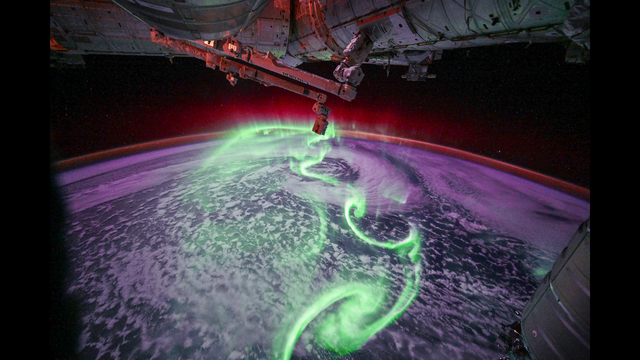
Neon green auroras from space will take your breath away | Space photo of the day for June 26, 2026

2026-06-26 12:00:00 UTC (Delta: 2026-06-19)
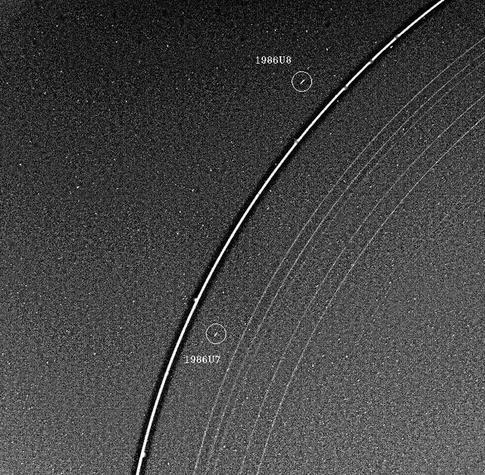
URANUS
- Distance (km): 3,039,639,063.67 km (-8,430,957.84 km)
- Distance (AU): 20.32 (-0.06)
- Light travel time: 2 h 48 min 59.14 s (-28.12 s)
- Orbital speed: 6.72 km/s (+0.00 km/s)
Image: Uranus Rings and Two Moons
Credit: NASA/JPL
💁🏻♀️ TIL: 🌱🔬 A new 3D #climate model suggests #Earth’s photosynthetic #biosphere could survive up to 1.86 billion more years, well past earlier 1 billion year estimates.
Researchers examined how rising #heat and declining #CO2 will squeeze future plant life. Hardiest survivors like CAM #plants and aquatic #algae may persist near the poles.
#earthscience #climate #photosynthesis #astronomy #astrobiology #science #research #biology #botany #solarsystem #sun #evolution
 Space.com: NASA, Space Exploration and Astronomy News [Unofficial]
 Where are we now?
 The-14
 U3dn
U3dn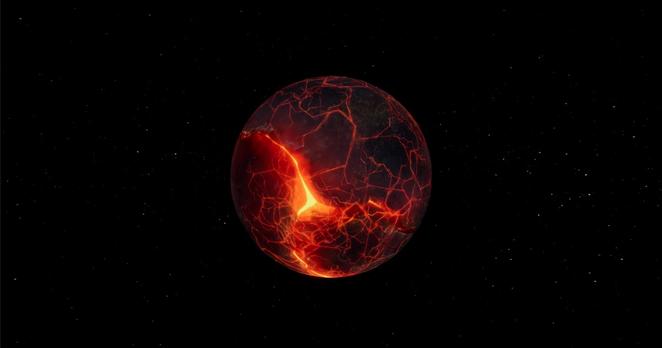
 TKSST • seethis.tv 🌈🪐✨