 Tero Keski-Valkama
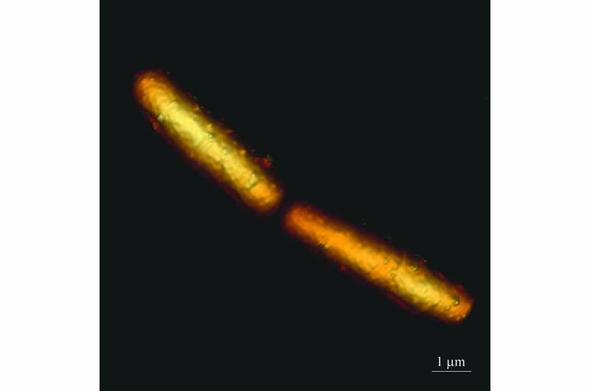
Belt and suspenders: #Alpine #lake #bacteria deploy two light-harvesting systems
"Generally speaking, species tend to pick one or the other #metabolic system, the PC/Mac dichotomy of #phototrophic #organisms. However, a multi-institutional team of #MolecularBiologists now reports finding an alpine lake bacterium that uses both #bacteriochlorophyll-based #photosynthetic complexes and proton-pumping #rhodopsins."
https://phys.org/news/2022-12-belt-alpine-lake-bacteria-deploy.html

Belt and suspenders: Alpine lake bacteria deploy two light-harvesting systems
Though humans, along with other vertebrate and invertebrate organisms, don't photosynthesize, we're definitely the downstream beneficiaries of the life forms that do. Phototrophic organisms at the bottom of the food chain convert abundant sunlight into the energy that ultimately powers all other life.
 Lukas VFN 🇪🇺