The Art of Research: How to Find Sources You Can Actually Trust

A guide to how to find reputable sources covers the practical research skills that writers, bloggers, and content creators need to produce accurate, trustworthy work. This article explains why source quality matters for long-term credibility, how to evaluate whether a source is reliable, and what distinguishes trustworthy information from content that simply confirms existing assumptions. Whether writing for a general audience or covering topics that directly affect readers lives — such as health, finance, or wellness — understanding how to identify and use credible sources is a foundational skill that strengthens every piece of content you publish.

https://dreamspacestudio.net/the-art-of-research-how-to-find-sources-you-can-actually-trust/

Rigor isn’t only about collecting good data. It’s also about how you justify the quality and coherence of your claims. Two common paradigms can guide that evaluation: the rationalistic paradigm, focused on validity and reliability, and the naturalistic paradigm, focused on trustworthiness. Making your framework explicit helps you report rigor more clearly.
https://qdacity.com/research-rigor

#ResearchMethods #Research #QDA #QDAcity

📢 Don't miss the next lecture in our series

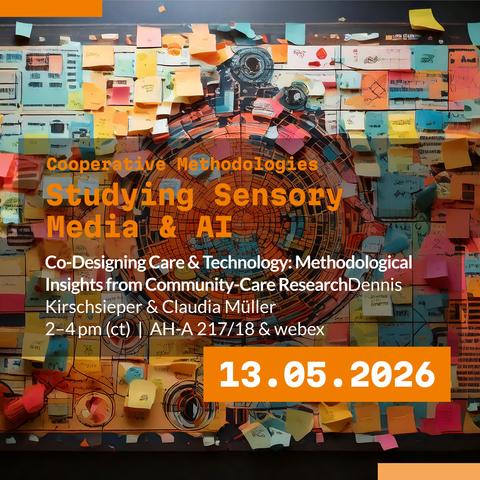
🎤 "Co-Designing Care & Technology: Methodological Insights from Community-Care Research"
📍Universität Siegen, AH-A 217/18 & webex
🕑 13 May, 2:15 pm - 3:45 pm
🔗 info & registration: https://u-si.de/bAlBg

#SFB1187 #MediaOfCooperation #LectureSeries #MediaStudies #ParticipatoryResearch #CoDesign #Care #CareTechnologies #ResearchMethods

Method triangulation helps you study the same phenomenon through more than one lens and see where findings converge or differ. By comparing results across methods, you can reduce reliance on a single approach, strengthen claims, and refine explanations. Used deliberately, it makes your reasoning easier to follow. https://qdacity.com/method-triangulation

#QualitativeResearch #ResearchMethods #Research #QDAcity

☝️ Tomorrow continues our series with a lecture by Simon David Hirsbrunner.

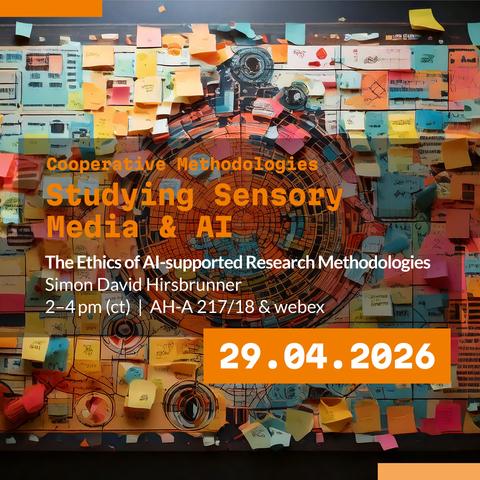
🎤 "The Ethics of AI-supported Research Methodologies"
📍Uni Siegen, AH-A 217/18 & webex
🕑 29 April, 2:15 pm - 3:45 pm
🔗 info & registration: https://u-si.de/bAlBg

#SFB1187 #MediaOfCooperation #LectureSeries #MediaStudies #AI #ResponsibleAI #AIEthics #PersonalData #ResearchMethods

A literature review is more than a summary. It helps you map what’s known, what’s missing, and what your study can add. Thematic analysis can support this by coding recurring concepts, organizing literature into themes, refining research questions, and strengthening your theoretical framing with traceable links to evidence.
Explore more: https://qdacity.com/thematic-analysis/

#ResearchMethods #QualitativeDataAnalysis #Research #QDAcity

☝️ Don’t miss! We start our series with a lecture by Olga Gorinuova.

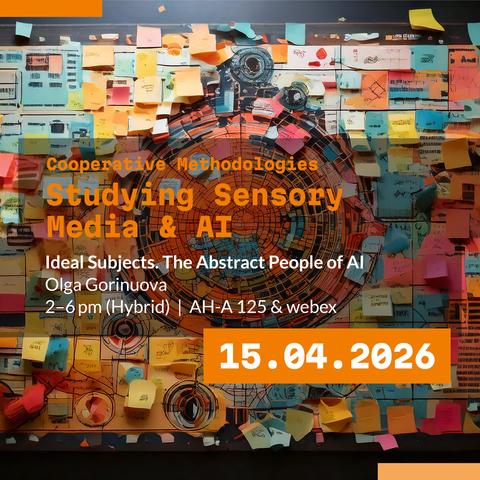
🎤 Olga Gorinuova: "Ideal Subjects. The Abstract People of AI"
📍Universität Siegen, AH-A 215 & webex
🕑 15 April, 2:15 pm - 3:45 pm
🔗 info & registration: https://u-si.de/bAlBg

#SFB1187 #MediaOfCooperation #LectureSeries #MediaStudies #AI #ResponsibleAI #PersonalData #ResearchMethods

📢 The programme of our new lecture series »Cooperative Methodologies: Studying Sensory Media & AI« is out, and we are excited about all the contributions!

📍Universität Siegen & online via WebEx
🔗 info & registration for online attendance: https://u-si.de/bAlBg

#SFB1187 #MediaOfCooperation #LectureSeries #MediaStudies #AI #ResponsibleAI #ResearchMethods #GenerativeAI #MixedMethods

Mixed methods helps you study a research problem from more than one angle, combining qualitative depth with quantitative patterns. It supports broader coverage, stronger inferences through triangulation, and flexible designs that fit your question. Used well, it becomes a coherent strategy for building answers from multiple forms of evidence.
https://qdacity.com/mixed-methods-research/

#QualitativeResearch #ResearchMethods #QDA #QDAcity

Transferability in qualitative research helps readers judge whether findings fit other comparable settings. You can strengthen it through rich description of context, reflexivity, and data triangulation. When your setting and analytic choices are clearly documented, others can assess fit without overclaiming.
Explore more: https://qdacity.com/trustworthiness/transferability/

#ResearchMethods #QDA #Research #QualitativeResearch