 dywen
dywen15/02/2026
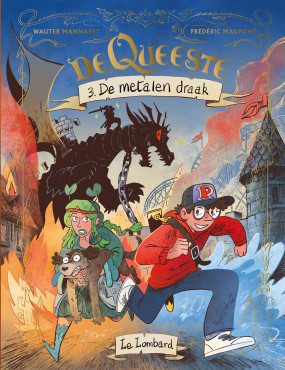
Launch of Part 3 of The Quest!
@WauterMannaert
https://www.comicscenter.net/en/news-flash/the-quest-volume-3
@Ludi #Stripmuseum #brussels #MuseeDeLaBD #comics #bd #strip
We made a poster with the #publifluor font to put in our window

15/02/2026
Launch of Part 3 of The Quest!
@WauterMannaert
https://www.comicscenter.net/en/news-flash/the-quest-volume-3
@Ludi #Stripmuseum #brussels #MuseeDeLaBD #comics #bd #strip
We made a poster with the #publifluor font to put in our window
Publi Fluor - Affaires de Lettres à Bruxelles
Le groupe de recherche Crickx a publié un travail remarquable et minutieusement documenté sur “Publi Fluor”, un magasin emblématique où Chrystel Crickx a exercé son talent pendant plus de quarante ans. Spécialisée dans le lettrage pour les devantures de magasins à Bruxelles, elle a façonné un style unique...
🌊 Lire la critique sur le Sillon https://sillon-fictionnel.club/post/publi-fluor/
#typography #typographie #art #culture #bruxelles #brussel #publifluor

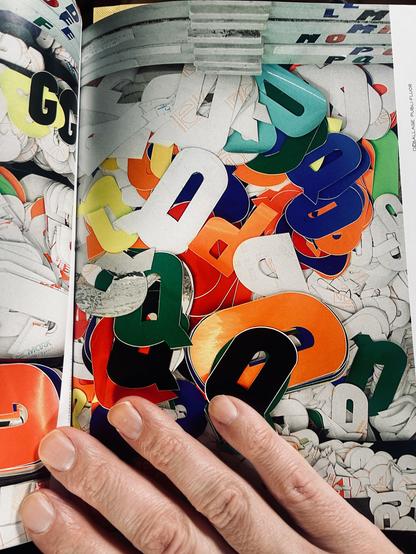
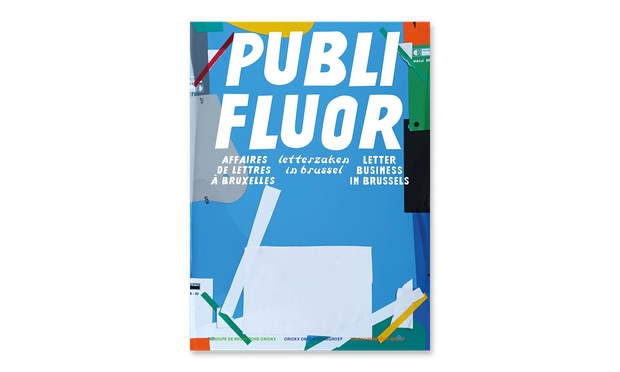
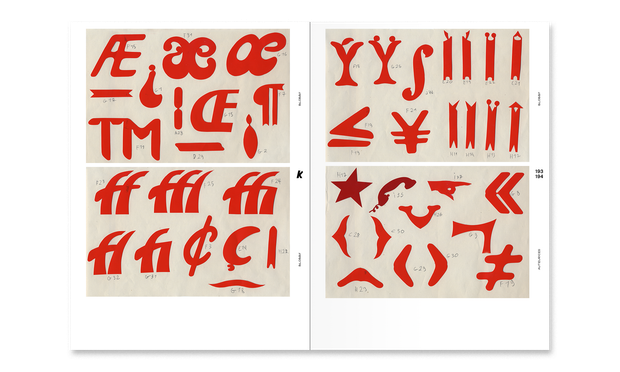
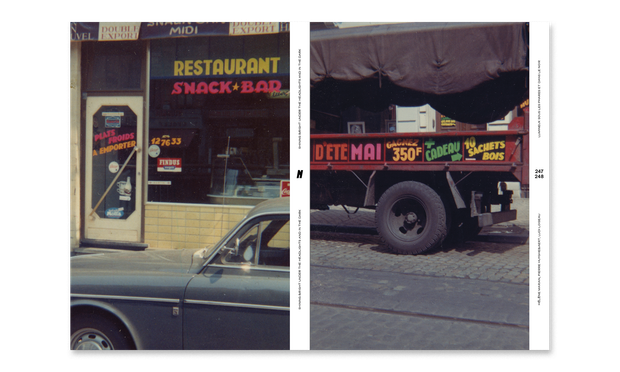
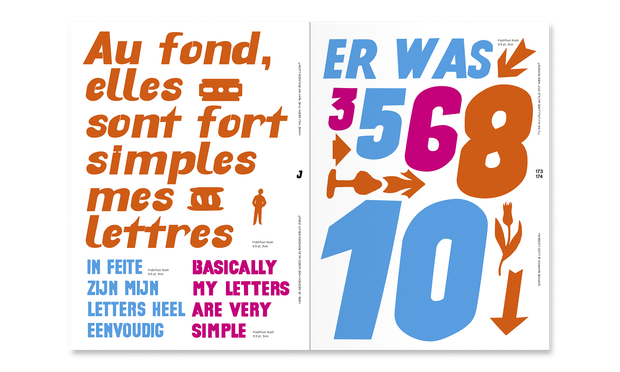

Self-taught, Chrystel Crickx used to cut out letters by hand and sell them by the piece in her Publi Fluor shop in Schaerbeek. Cut out between 1975 and 2000 for local advertising purposes, these letters have since been digitised and made more widely available to users around the world in other contexts. At the margins of standard means of communication, they have contributed and continue to contribute to the urban visual environment, in Brussels and elsewhere. This non-standard collective essay attempts to paint a portrait of both a woman and her objects - tools, letters, furniture and storage boxes - but also widens the field to follow the cracks between the different histories that this practice conjures up.
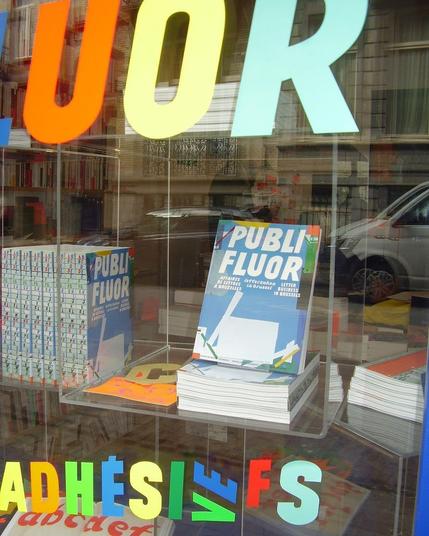
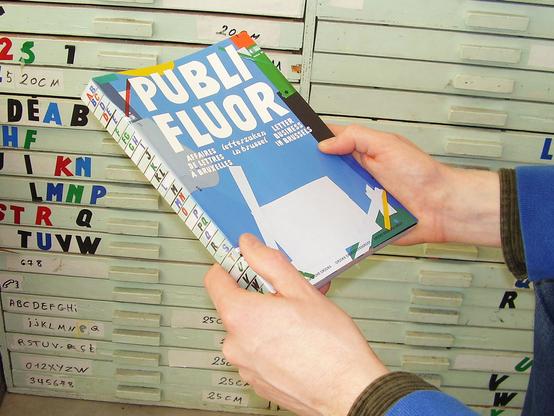
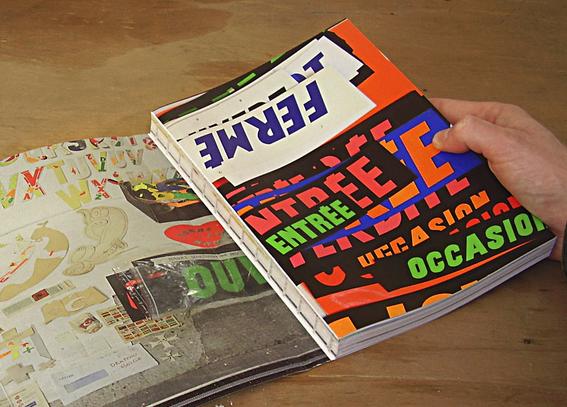
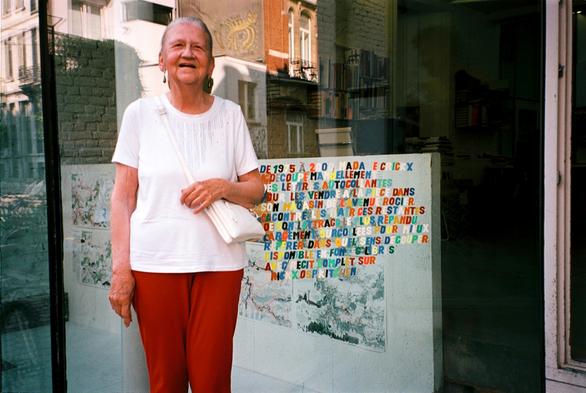
Self-taught, Chrystel Crickx used to cut out letters by hand and sell them by the piece in her Publi Fluor shop in Schaerbeek. Cut out between 1975 and 2000 for local advertising purposes, these letters have since been digitised and made more widely available to users around the world in other contexts. At the margins of standard means of communication, they have contributed and continue to contribute to the urban visual environment, in Brussels and elsewhere. This non-standard collective essay attempts to paint a portrait of both a woman and her objects - tools, letters, furniture and storage boxes - but also widens the field to follow the cracks between the different histories that this practice conjures up.
 Pierre Huyghebaert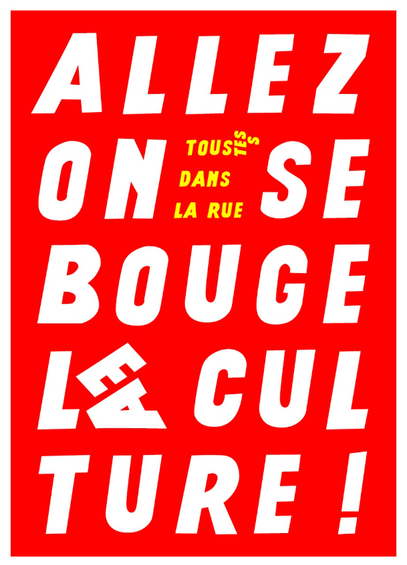
 le sillon fictionnel
 Speculoos