 KillBait News
Sophia Loren Poses with the Mona Lisa at the Louvre in 1964
📰 Original title: The Timeless Beauty of Sophia Loren and Mona Lisa at the Louvre, Paris, 1964
🤖 IA: It's not clickbait ✅
👥 Users: It's not clickbait ✅
View full AI summary https://en.killbait.com/sophia-loren-poses-with-the-mona-lisa-at-the-louvre-in-1964.html?utm_source=mastodon_world&utm_medium=social&utm_campaign=killbait.mastodon_world
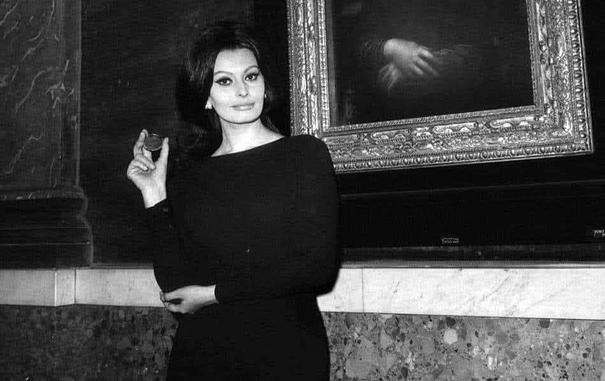
Sophia Loren Poses with the Mona Lisa at the Louvre in 1964
The article revisits a remarkable cultural moment captured in February 1964, when iconic Italian actress Sophia Loren visited the Louvre Museum in Paris and posed in front of Leonardo da Vinci’s Mona Lisa. The photograph has since become a symbolic image that brings together two different forms of global fame: Renaissance art and 20th-century cinema. Loren, at the height of her international career, was one of the most celebrated film stars in the world at the time. She had already achieved critical acclaim, including winning the Academy Award for Best Actress for her role in “Two Women,” and was actively involved in major film productions such as “The Fall of the Roman Empire.” The images taken during her visit highlight a striking visual contrast and connection between the actress and the world-famous painting. The Mona Lisa, housed permanently in the Louvre, is widely regarded as one of the most recognized and analyzed works of art in history, admired for its enigmatic expression and artistic mastery. Sophia Loren, meanwhile, represented the glamour and emotional expressiveness of mid-20th-century cinema, often celebrated for her beauty, charisma, and powerful screen presence. The article frames the encounter as a “meta-moment,” emphasizing how Loren herself was often considered a living symbol of beauty in her era, standing before another enduring symbol of beauty from a completely different century. This convergence of cultural icons underscores how art, fame, and visual storytelling can transcend time. The photograph remains popular in vintage photography archives because it encapsulates not only a historical visit but also a dialogue between classical art and modern celebrity culture.
 KillBait
 Drakre52-art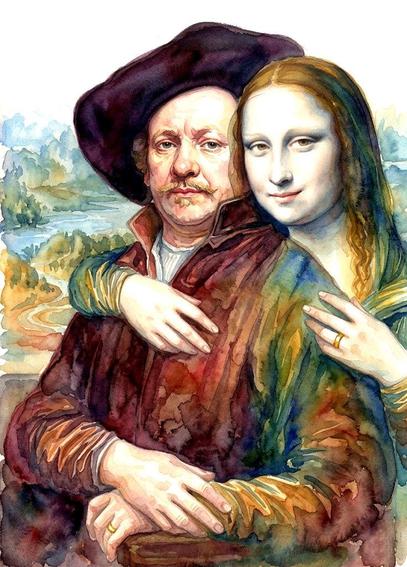
 getmisch
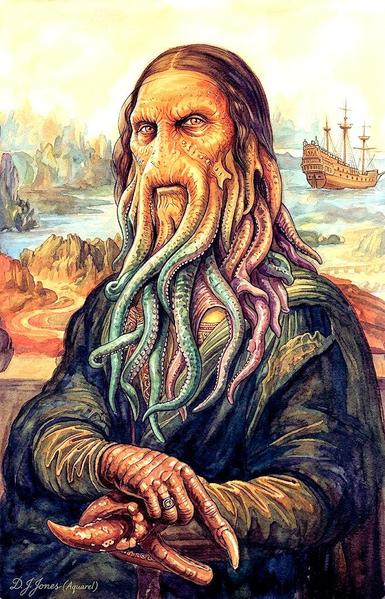

 Old Dirty Mustard

 MediaFaro Magazine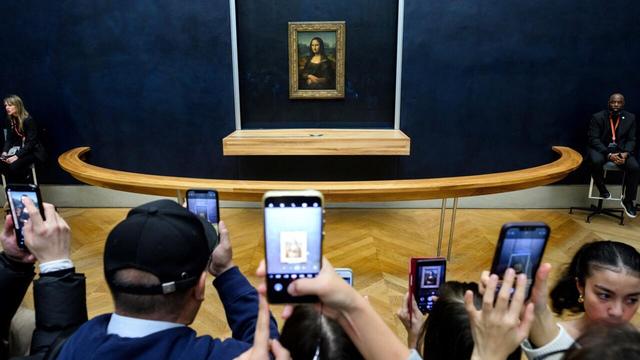
 Chica Misterio