Mapas

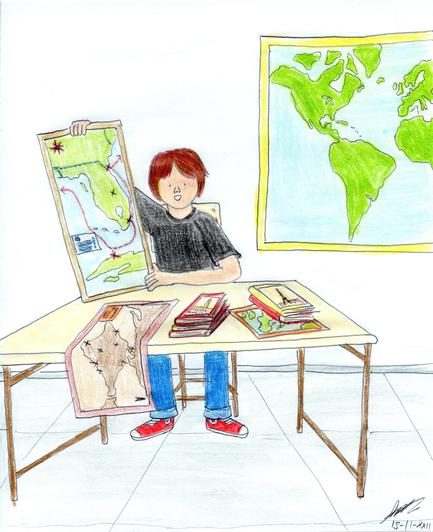
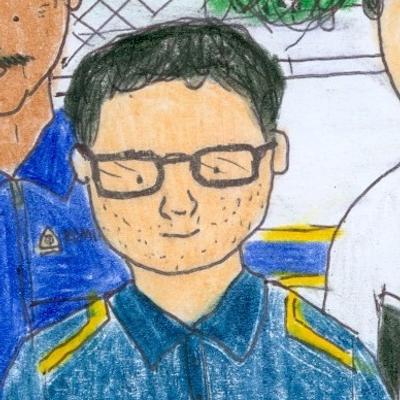
Este dibujo lo hice a Leo Park, alias en redes @draw_vengers, un dibujante joven a quien admiro mucho por sus híperdetalladas obras.

#JamesPumita - 2022

#drawvengers #leopark #geographyclass #geography #maps

Mapas

Este dibujo lo hice a Leo Park @draw_vengers, un dibujante joven a quien admiro mucho por sus híperdetalladas obras.

#JamesPumita - 2022

#drawvengers #leopark #geographyclass #geography #maps
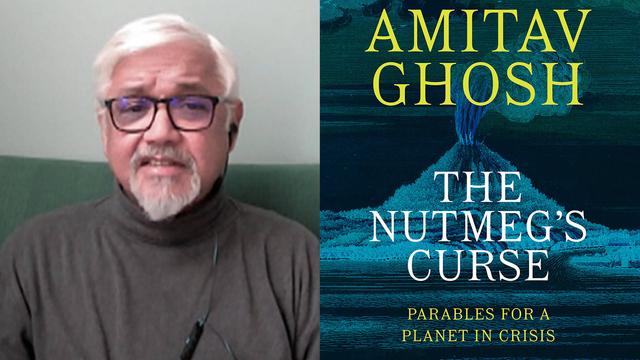
This empire may be under American control today, but it is the product of centuries of combined Western effort, going back to the 1500s. What would happen to this vast strategic structure if there were to be a quick, worldwide transition to forms of energy that do not need to be transported across oceans? The answer is obvious: its value would be hugely diminished. China, India, Japan, and other large Asian economies would not need to worry about the Strait of Hormuz or Malacca— they would generate their power on their own soil. #AmitavGhosh in #NutmegsCurse... imagine if China were able to completely reduce its dependence on fossil fuels and switch to renewable energies. It would completely overturn the geopolitical order of the world today, because the geopolitics of the world really depends on the shipping of fossil fuels, you know, through these particular chokepoints. Two of the most important chokepoints are the Strait of Hormuz and the Strait of Malacca. And, you know, something like 40% of the world’s oil ship through these chokepoints every day. So, on controlling these chokepoints depends, actually, Western geopolitical dominance. And if fossil fuels were to be completely substituted at scale, what you would have is a complete inversion of the world’s geopolitical order. - https://www.democracynow.org/2021/11/10/the_nutmegs_curse

#GeopoliticalOrder #FossilFuelOrder #GeographyClass #StraitOfMalacca #StraitofHormuz

“A Process of Violence”: Indian Author Amitav Ghosh on How Colonialism Fueled the Climate Crisis

As talks at the Glasgow U.N. climate summit accelerate, we look at how the roots of the climate crisis date back to Western colonialism with award-winning Indian author Amitav Ghosh, who examines the violent exploitation of human life and the natural environment in his new book, “The Nutmeg’s Curse: Parables for a Planet in Crisis.” Ghosh speaks about the political significance of fossil fuels in global politics, saying that “if fossil fuels were to be completely substituted at scale, what you would have is the complete inversion of the world’s geopolitical order.” Ghosh’s previous books include “The Great Derangement: Climate Change and the Unthinkable” and the novel “Gun Island.”

Democracy Now!
I saw a #GeographyClass last night. The presenter was quick with Google Earth. We need a geography based on #AmitavGhosh:
> .. the geopolitics of the world..depends on.. shipping fossil fuels.., through.. particular chokepoints. Two.. important chokepoints are the #StraitOfHormuz and the #StraitOfMalacca like 40% of the world’s oil ship through these chokepoints every day. So, on controlling these chokepoints depends, actually, Western geopolitical dominance.
https://www.democracynow.org/2021/11/10/the_nutmegs_curse
“A Process of Violence”: Indian Author Amitav Ghosh on How Colonialism Fueled the Climate Crisis

As talks at the Glasgow U.N. climate summit accelerate, we look at how the roots of the climate crisis date back to Western colonialism with award-winning Indian author Amitav Ghosh, who examines the violent exploitation of human life and the natural environment in his new book, “The Nutmeg’s Curse: Parables for a Planet in Crisis.” Ghosh speaks about the political significance of fossil fuels in global politics, saying that “if fossil fuels were to be completely substituted at scale, what you would have is the complete inversion of the world’s geopolitical order.” Ghosh’s previous books include “The Great Derangement: Climate Change and the Unthinkable” and the novel “Gun Island.”

Democracy Now!