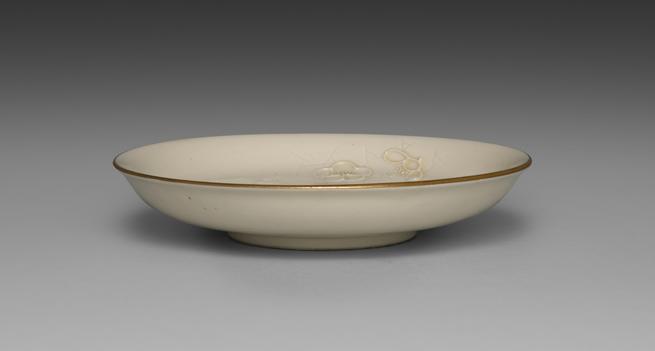
A shallow dish glows with creamy porcelain, its surface etched with three delicate plum blossoms floating above cracked-ice patterns. The gold-rimmed edge frames a quiet tension between nature’s fragility and the precision of craft.

How might the hand-carved ice cracks shift under changing light?

#JapaneseCeramics #ClevelandMuseumofArt #EdoPeriod
https://clevelandart.org/art/2022.150.7
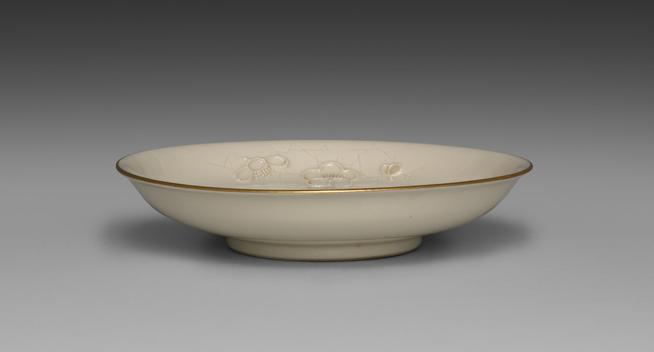
Delicate plum blossoms rise in low relief over a web of cracked-ice lines, their petals catching the light unevenly. This dining set blurs the line between exhibition piece and intimate tableware—each hand-incised detail a quiet rebellion against uniformity.

How many variations in the ice’s fracture can you trace across the surface?
#JapaneseCeramics #ClevelandMuseumofArt #EdoPeriod
https://clevelandart.org/art/2022.150.3

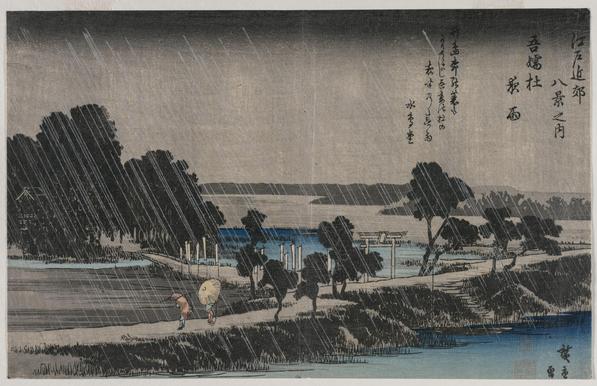
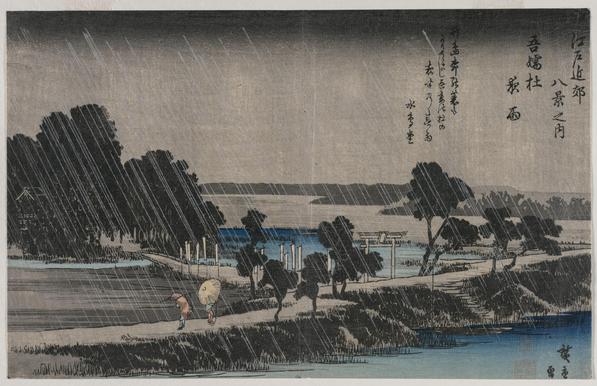
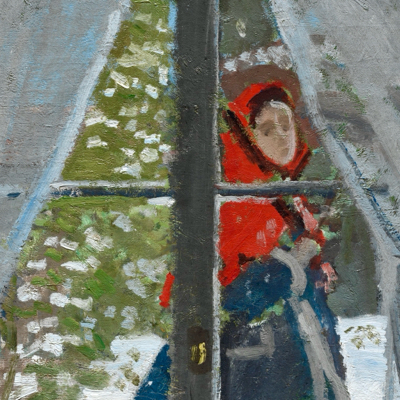
Rain slants in ruler-straight white strokes across synthetic Prussian blue, a pigment then new to Edo. Two travelers shelter beneath umbrellas on the shrine’s stone path, their silhouettes anchoring a borrowed poetic tradition in local soil.

How does the contrast between imported color and native brushwork shape the scene’s quiet tension?
#JapaneseWoodblock #EdoPeriod #ClevelandMuseumofArt
https://clevelandart.org/art/1942.145

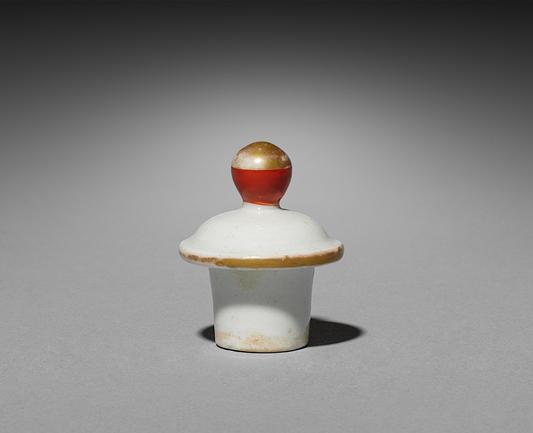
Delicate cobalt lines trace a woman’s flowing sleeve, a priest’s folded hands, and a youth’s tilted head on this Imari sake bottle. Their quiet gestures suggest a moment of shared silence, not conversation. How does the curve of the porcelain shape their unseen dialogue?

#JapaneseCeramics #EdoPeriod #ClevelandMuseumofArt
https://clevelandart.org/art/1964.272.b

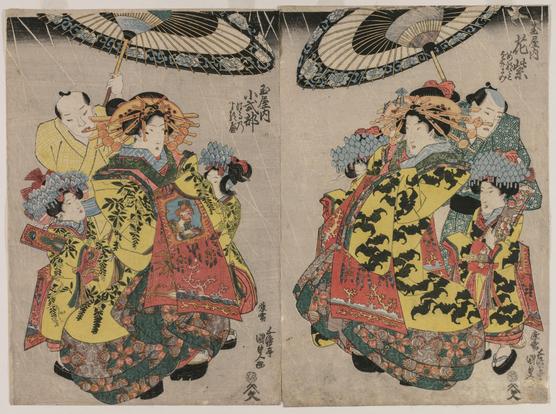
Delicate rain streaks blur the edges of layered kimono silks—crimson cranes flutter beside indigo waves. These courtesans navigate fleeting beauty beneath shared umbrellas, their paths framed by calligraphic whispers of poetry. How many hidden patterns dissolve into the mist?

#JapaneseWoodblock #EdoPeriod #ClevelandMuseumofArt
https://clevelandart.org/art/1940.1014

Delicate ink washes blur the bridge’s edge where petals drift into rippling water. The figure’s stillness suggests rain so light it barely disturbs the reflections—does the script name the season or the moment?

#JapaneseArt #EdoPeriod #ClevelandMuseumofArt
https://clevelandart.org/art/2016.79

Rain slants in ruler-straight white lines across ink-dark paper. Two travelers, bent beneath shared umbrellas, move along the path beside Azuma Shrine’s torii gate.

The synthetic Prussian blue deepens the night, grounding Hiroshige’s translation of Chinese poetic rain into an Edo suburb. How many steps do the figures take before the downpour blurs their silhouettes?

#JapaneseWoodblock #EdoPeriod #ClevelandMuseumofA
https://clevelandart.org/art/1942.145

What do Japan's creation myths, an Isle of Women and a mushroom-wielding street performer have in common? A surprisingly wise lesson about laughter. https://www.japantimes.co.jp/news/2026/03/23/japan/history/history-hiraga-gennai-japan/?utm_medium=Social&utm_source=mastodon #japan #history #edoperiod #hiragagennai #jomonperiod #yayoiperiod
An island tale of myth, desire and the wisdom of laughter

A journey from Japan's oldest myths to Edo eccentric Hiraga Gennai, who discovers the absurdity and humor at life's core.

The Japan Times

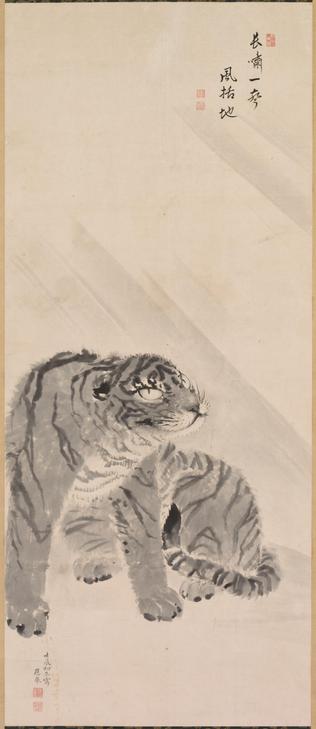
The tiger’s striped pelt dissolves into loose, wet ink strokes where fur meets wind. This imagined collaboration—poet-monk’s verse beside the artist’s brush—suggests a dialogue between sound and silence.

How does the uneven paper texture shape the tiger’s stillness?

#JapaneseArt #EdoPeriod #ClevelandMuseumofArt
https://clevelandart.org/art/1971.232

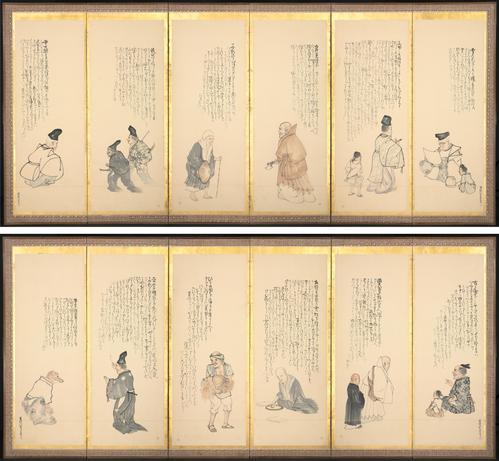
Delicate ink strokes trace scholars in quiet contemplation, their robes pooling like shadows beneath flowing calligraphy. Goshun’s brush unites text and image, suggesting idleness as both literary theme and lived gesture—how does the rhythm of script alter your reading of the figures below?

#JapaneseArt #EdoPeriod #ClevelandMuseumofArt
https://clevelandart.org/art/1971.43