 The New York Times - Breaking News, US News, World News and Videos [Unofficial]
How a Niche Technology Became a Choke Point for A.I.

How a Niche Technology Became a Choke Point for A.I.
The High School Pipeline to South Korea’s Chip-Making Fortunes
https://fed.brid.gy/r/https://www.nytimes.com/2026/06/26/business/korea-chip-high-school.html

Intel’s Chip Business Shows Signs of Life After Years of Struggle
https://fed.brid.gy/r/https://www.nytimes.com/2026/06/26/technology/intel-turnaround.html

Apple Raises Prices on Macs and iPads Amid the A.I. Boom
https://fed.brid.gy/r/https://www.nytimes.com/2026/06/25/technology/apple-prices-macbooks-ipads.html

Elon Musk’s Next Move May Be a Mega-Merger of SpaceX and Tesla
https://fed.brid.gy/r/https://www.nytimes.com/2026/06/17/business/spacex-tesla-merger-elon-musk.html
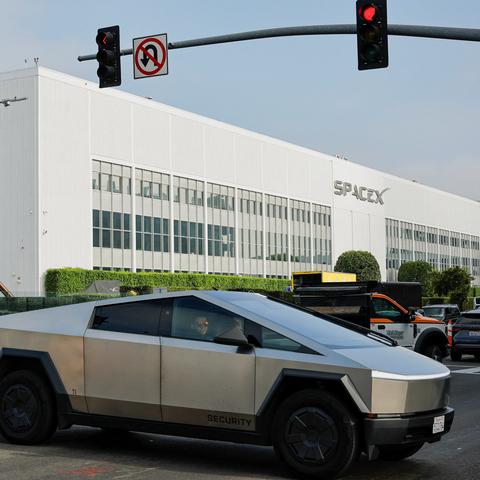
A.I. Boom Ignites Asian Chip Companies
https://fed.brid.gy/r/https://www.nytimes.com/2026/06/16/technology/taiwan-south-korea-ai-chips.html

 RAPPLER | Philippine & World News | Investigative Journalism | Data | Civic Engagement | Public Interest [Unofficial]May 29
Speech development, renewable energy startups headline PhilDev 2026 awardees



The #Trump admin approved a secret $9 billion request to acquire cutting-edge #ComputerChips that #US’ spy agencies need to tap into the full capabilities of the latest #ArtificialIntelligence models…
New #AI models use enormous amounts of computer #power, more than many #tech experts anticipated even a year ago fueling concerns in the WH & #Congress that a #chip shortage is causing #intelligence agencies to fall behind in testing & deploying tools for #espionage work….
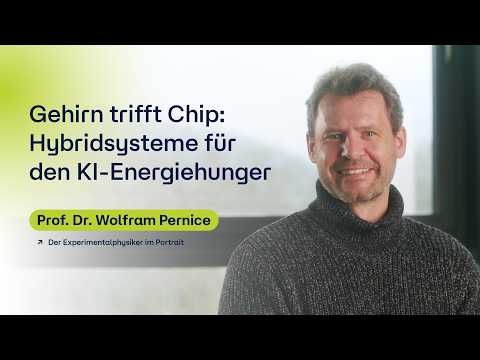
Heute stellen wir Euch ein #Forschungsprojekt vor, das Computerchips grundlegend verändern könnte 👇
Die Frage:
Wie können #Computerchips effizienter werden? Denn #KI-Anwendungen benötigt enorm viel #Energie.
Der Ansatz:
Experimentalphysiker Wolfram Pernice und sein Team @uniheidelberg forschen an Chips, die Informationen mit Licht verarbeiten – und daran, diese mit neuronalen Geweben zu verbinden.
Zum Videoportrait: https://youtu.be/EHRHrUzv-fg
 Daniela Pagenstecher 🇺🇦 🚴♂️ 📚
 Nonilex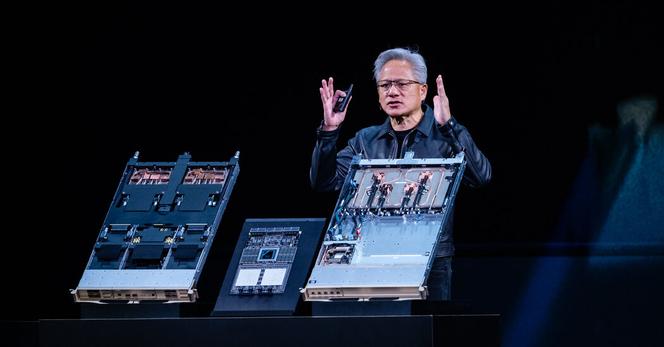
 VolkswagenStiftung