 Cleef Hanger
Chilling in the pond.

De tranquis en la charca.
#pond #frog #froggelio #charca #cartoon #clipstudiopaint #mastoart

Chilling in the pond.
De tranquis en la charca.
#pond #frog #froggelio #charca #cartoon #clipstudiopaint #mastoart
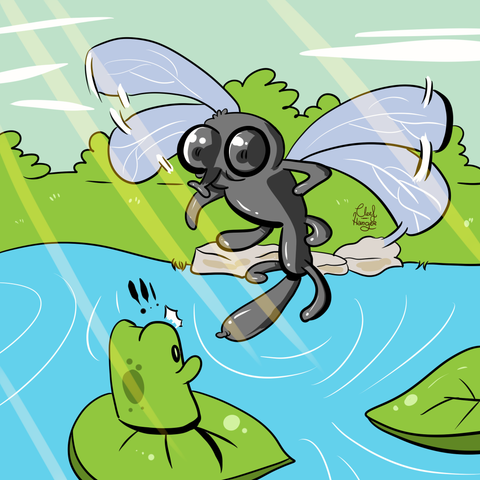
Froggelio is having a hard time at the pond.
Based on: https://www.instagram.com/p/DKhAEmnt4zu/
#mosquito #insect #froggelio #frog #animals #pond #charca #cartoon #mastoart #art #clipstudiopaint #summer #verano
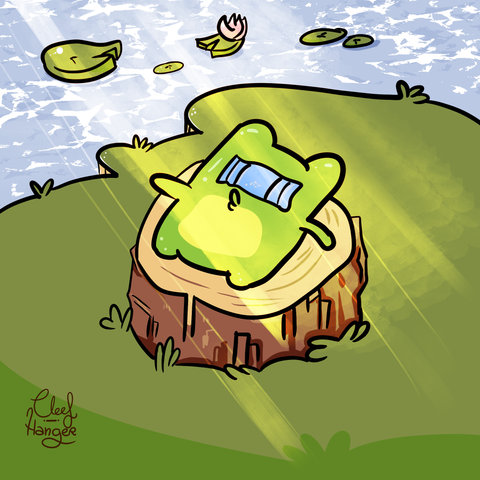
Por demanda popular: Froggelio tostadito al sol.
On popular demand: Froggelio basking in the sun.
#froggelio #sol #sun #frog #toasting #basking #rostizao #cartoon #ilustration #mastoart #art #arte #clipstudiopaint #charca #pond

von Frans van Beers - Stil Licht Fotografie | 3 von 6 Fotos | view from La Charca - Maspalomas - Gran Canaria | La Charca de Maspalomas is a unique salt water lagoon located in the southern part of Gran Canaria, within the Special Nature Reserve of the Maspalomas Dunes. It is one of three interconnected ecosystems in the area, alongside the Maspalomas Dunes and the Maspalomas Palm Grove1. Key Features Ecological Significance A brackish lagoon with high ecological and biological value Home to diverse botanical and fauna species Located just 200 metres from the iconic Maspalomas Lighthouse2 Birdwatching Destination La Charca is considered one of the most important places to see aquatic birds in the Canary Islands. Visitors can observe up to 24 species of migratory and resident birds, including: Grey Herons Little Egrets Sanderling Yellow-legged Gulls Common Moorhens Eurasian Coots Ospreys Barbary Falcon Lizards in the Maspalomas Dunes Two different lizard species inhabit the Maspalomas dune area: Gran Canaria Giant Lizard (Gallotia stehlini) Can grow up to 80 cm long Lives in shrubby and rocky areas Appears in gray, brown, and reddish tones An omnivore that eats small insects when young and mostly plant material as an adult Gallotia-stenophrys An endemic subspecies found only on Gran Canaria Important Details All lizards on Gran Canaria are protected species They play a crucial role in the local ecosystem Often seen sunbathing on rocks or in sunny spots in the dunes

von Frans van Beers - Stil Licht Fotografie | 1 von 5 Fotos | La Charca - Maspalomas - Gran Canaria | La Charca de Maspalomas is a unique salt water lagoon located in the southern part of Gran Canaria, within the Special Nature Reserve of the Maspalomas Dunes. It is one of three interconnected ecosystems in the area, alongside the Maspalomas Dunes and the Maspalomas Palm Grove1. Key Features Ecological Significance A brackish lagoon with high ecological and biological value Home to diverse botanical and fauna species Located just 200 metres from the iconic Maspalomas Lighthouse2 Birdwatching Destination La Charca is considered one of the most important places to see aquatic birds in the Canary Islands. Visitors can observe up to 24 species of migratory and resident birds, including: Grey Herons Little Egrets Sanderling Yellow-legged Gulls Common Moorhens Eurasian Coots Ospreys Barbary Falcon Lizards in the Maspalomas Dunes Two different lizard species inhabit the Maspalomas dune area: Gran Canaria Giant Lizard (Gallotia stehlini) Can grow up to 80 cm long Lives in shrubby and rocky areas Appears in gray, brown, and reddish tones An omnivore that eats small insects when young and mostly plant material as an adult Gallotia-stenophrys An endemic subspecies found only on Gran Canaria Important Details All lizards on Gran Canaria are protected species They play a crucial role in the local ecosystem Often seen sunbathing on rocks or in sunny spots in the dunes
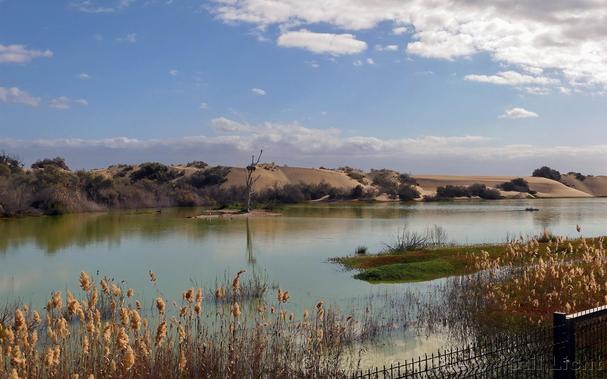

von Frans van Beers - Stil Licht Fotografie | 1 von 617 Fotos | La Charca - Maspalomas - Gran Canaria | La Charca de Maspalomas is a unique salt water lagoon located in the southern part of Gran Canaria, within the Special Nature Reserve of the Maspalomas Dunes. It is one of three interconnected ecosystems in the area, alongside the Maspalomas Dunes and the Maspalomas Palm Grove1. Key Features Ecological Significance A brackish lagoon with high ecological and biological value Home to diverse botanical and fauna species Located just 200 metres from the iconic Maspalomas Lighthouse2 Birdwatching Destination La Charca is considered one of the most important places to see aquatic birds in the Canary Islands. Visitors can observe up to 24 species of migratory and resident birds, including: Grey Herons Little Egrets Sanderling Yellow-legged Gulls Common Moorhens Eurasian Coots Ospreys Barbary Falcon Lizards in the Maspalomas Dunes Two different lizard species inhabit the Maspalomas dune area: Gran Canaria Giant Lizard (Gallotia stehlini) Can grow up to 80 cm long Lives in shrubby and rocky areas Appears in gray, brown, and reddish tones An omnivore that eats small insects when young and mostly plant material as an adult Gallotia-stenophrys An endemic subspecies found only on Gran Canaria Important Details All lizards on Gran Canaria are protected species They play a crucial role in the local ecosystem Often seen sunbathing on rocks or in sunny spots in the dunes
von Frans van Beers - Stil Licht Fotografie | 1 von 617 Fotos | La Charca - Maspalomas - Gran Canaria | La Charca de Maspalomas is a unique salt water lagoon located in the southern part of Gran Canaria, within the Special Nature Reserve of the Maspalomas Dunes. It is one of three interconnected ecosystems in the area, alongside the Maspalomas Dunes and the Maspalomas Palm Grove1. Key Features Ecological Significance A brackish lagoon with high ecological and biological value Home to diverse botanical and fauna species Located just 200 metres from the iconic Maspalomas Lighthouse2 Birdwatching Destination La Charca is considered one of the most important places to see aquatic birds in the Canary Islands. Visitors can observe up to 24 species of migratory and resident birds, including: Grey Herons Little Egrets Sanderling Yellow-legged Gulls Common Moorhens Eurasian Coots Ospreys Barbary Falcon Lizards in the Maspalomas Dunes Two different lizard species inhabit the Maspalomas dune area: Gran Canaria Giant Lizard (Gallotia stehlini) Can grow up to 80 cm long Lives in shrubby and rocky areas Appears in gray, brown, and reddish tones An omnivore that eats small insects when young and mostly plant material as an adult Gallotia-stenophrys An endemic subspecies found only on Gran Canaria Important Details All lizards on Gran Canaria are protected species They play a crucial role in the local ecosystem Often seen sunbathing on rocks or in sunny spots in the dunes
 Frans van Beers
 Frans van Beers