The 1910 Paige-Detroit Model B Roadster and Its Innovative Two-Cycle Engine
📰 Original title: Brass Era Icon: Amazing Photos of the 1910 Paige-Detroit Model B Roadster
🤖 IA: It's clickbait ⚠️
👥 Users: It's clickbait ⚠️
View full AI summary: https://en.killbait.com/the-1910-paige-detroit-model-b-roadster-and-its-innovative-two-cycle-engine.html?utm_source=mastodon_world&utm_medium=social&utm_campaign=killbait.mastodon_world
#history #vintagecars #brassera #automotivehistory
The 1910 Paige-Detroit Model B Roadster and Its Innovative Two-Cycle Engine
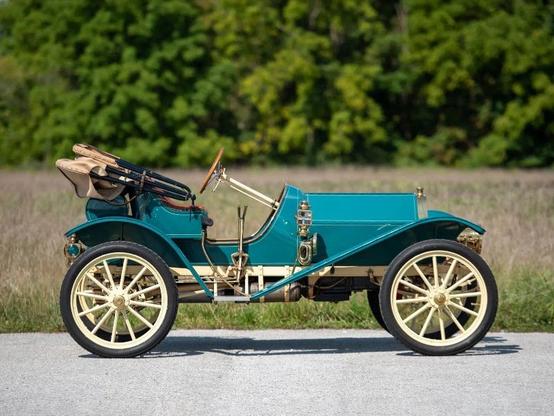
The 1910 Paige-Detroit Model B Roadster represents an important chapter in the early history of American automobile manufacturing. Introduced by the newly formed Paige-Detroit Motor Car Company, this vehicle stood out for its distinctive three-cylinder, two-cycle engine at a time when most manufacturers favored more conventional four-cycle designs. This mechanical choice highlighted the experimental spirit of the Brass Era, when companies tested various engineering approaches to find the right balance of power, reliability, and cost. The Model B featured a lightweight, open-air chassis typical of roadsters from the period, complemented by large wooden-spoke wheels and prominent brass fittings that gave it a sporty yet elegant appearance appealing to affluent enthusiasts and gentleman drivers of the early 20th century. Its minimalist design emphasized functionality and the thrill of open-road driving. Although the two-cycle engine was eventually discontinued in favor of more standard powerplants as technology evolved, the Paige-Detroit Model B remains a sought-after collector's item today. These vehicles symbolize the bold innovation and rapid development that characterized the dawn of the automotive age in the United States. Preserved examples offer enthusiasts and historians a tangible link to the pioneering days of motoring, showcasing both the aesthetic charm of brass-trimmed automobiles and the engineering risks taken by early manufacturers. The Paige-Detroit company's brief foray into two-cycle technology underscores how the industry was still finding its footing before mass production and standardized designs took hold in the following decades.
The 1910 Paige-Detroit Model B Roadster and Its Innovative Two-Cycle Engine
📰 Original title: Brass Era Icon: Amazing Photos of the 1910 Paige-Detroit Model B Roadster
🤖 IA: It's clickbait ⚠️
👥 Users: It's clickbait ⚠️
View full AI summary: https://en.killbait.com/the-1910-paige-detroit-model-b-roadster-and-its-innovative-two-cycle-engine.html?utm_source=mastodon_social&utm_medium=social&utm_campaign=killbait.mastodon_social
#history #vintagecars #brassera #automotivehistory
The 1910 Paige-Detroit Model B Roadster and Its Innovative Two-Cycle Engine
The 1910 Paige-Detroit Model B Roadster represents an important chapter in the early history of American automobile manufacturing. Introduced by the newly formed Paige-Detroit Motor Car Company, this vehicle stood out for its distinctive three-cylinder, two-cycle engine at a time when most manufacturers favored more conventional four-cycle designs. This mechanical choice highlighted the experimental spirit of the Brass Era, when companies tested various engineering approaches to find the right balance of power, reliability, and cost. The Model B featured a lightweight, open-air chassis typical of roadsters from the period, complemented by large wooden-spoke wheels and prominent brass fittings that gave it a sporty yet elegant appearance appealing to affluent enthusiasts and gentleman drivers of the early 20th century. Its minimalist design emphasized functionality and the thrill of open-road driving. Although the two-cycle engine was eventually discontinued in favor of more standard powerplants as technology evolved, the Paige-Detroit Model B remains a sought-after collector's item today. These vehicles symbolize the bold innovation and rapid development that characterized the dawn of the automotive age in the United States. Preserved examples offer enthusiasts and historians a tangible link to the pioneering days of motoring, showcasing both the aesthetic charm of brass-trimmed automobiles and the engineering risks taken by early manufacturers. The Paige-Detroit company's brief foray into two-cycle technology underscores how the industry was still finding its footing before mass production and standardized designs took hold in the following decades.
 KillBait News
 KillBait