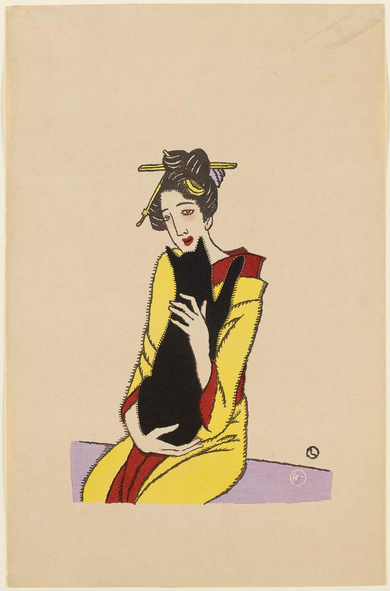
"Woman Holding Black Cat," Yumeji Takehisa, 1920.

Takehisa (1884-1934) was a Japanese poet and artist of the Nihonga school, which specializes in mineral pigments on parchment or silk, and who did primarily bijinga works, or paintings of beautiful women, although he also did a number of commercial design, including book covers, washi paper, furoshiki cloths, postcards, and illustrations.

A struggling workingman, he had many Socialist sympathies, and for a time produced a number of pro-Socialist works, but after a Socialist assassination attempt on the emperor, he withdrew vocal support, mainly from self-preservation. He traveled the US and Europe, partly to escape Japan's militarism in the 30s, but returned to Japan after being alarmed by the rise of Nazism. He died of TB not long after his return.

Despite being pretty traditional, his art was touched by Western influences, and he is regarded now as an early influence on manga art, given his preference for depicting figures with large eyes.

From the Museum of Fine Arts, Boston.

#Art #AsianArt #JapaneseArt #YumejiTakehisa #Nihonga #CatsOfMastodon #Bijinga #Manga
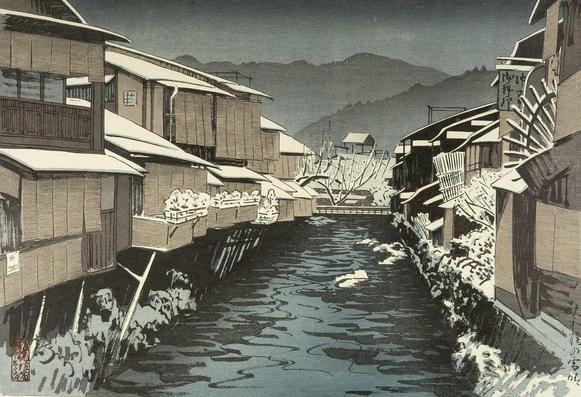
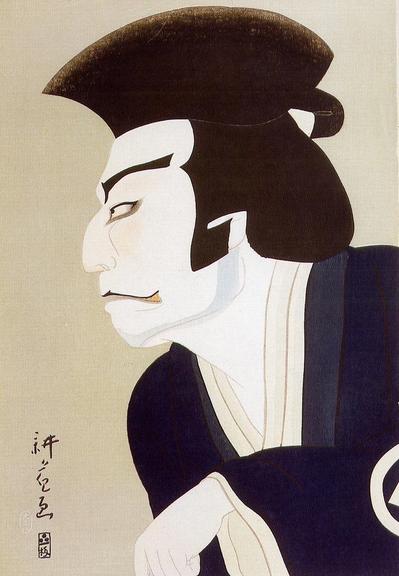
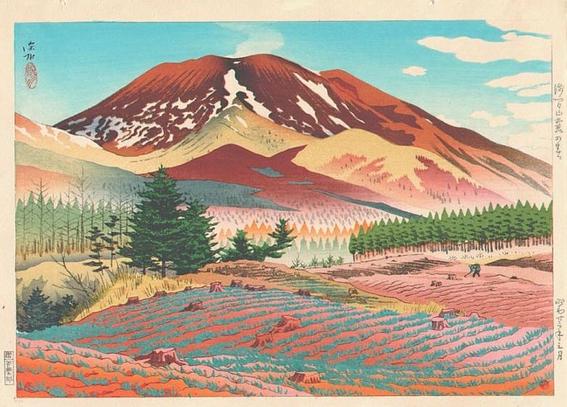
#YoshikawaKampō (1894-1979) was a prominent #ShinHanga, known for his elegant #bijinga, #yakushae, and #fukeiga. He had a deep engagement with traditional Japanese arts, which he skillfully integrated into his work as a woodblock print artist. His prints are celebrated for their refined beauty, graceful compositions, and subtle use of color:

🌍 https://www.fabriziomusacchio.com/weekend_stories/told/2024-09-01-yoshikawa_kampo/

#ukiyoe #JapaneseArt

Yoshikawa Kampō: Elegant simplicity and refined beauty

Yoshikawa Kampō (1894-1979) was a prominent artist of the Shin Hanga movement, known for his elegant bijin-ga (pictures of beautiful women), yakusha-e (actor prints), and fukeiga (landscapes). He had a deep engagement with traditional Japanese arts, which he skillfully integrated into his work as a woodblock print artist. His prints are celebrated for their refined beauty, graceful compositions, and subtle use of color.

Fabrizio Musacchio

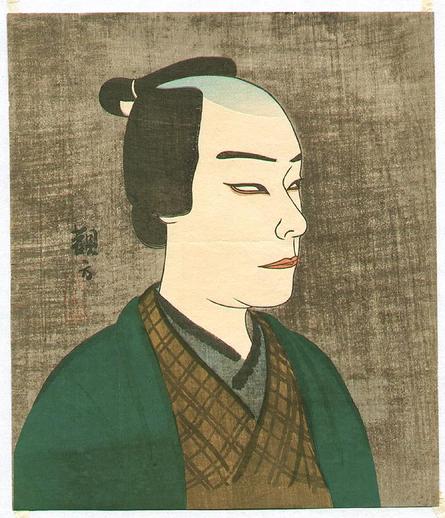
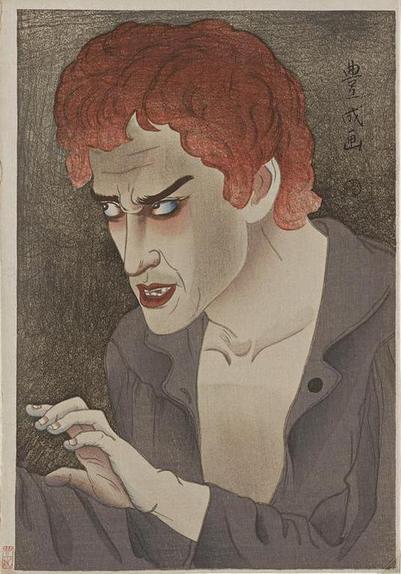
#YamamuraKōka (1885–1942) is another prominent figure in the #ShinHanga movement, known for his striking #yakushae (portraits of kabuki actors) and #bijinga (pictures of beautiful women). His work is characterized by a unique blend of traditional Japanese aesthetics and modern artistic influences, making him one of the key artists of his time.

🌍 https://www.fabriziomusacchio.com/weekend_stories/told/2024-09-01-yamamura_koka/

#ukiyoe #JapaneseArt

Yamamura Kōka: Fusion of tradition and modernity in Shin Hanga

Yamamura Kōka (1885–1942) was another prominent figure in the Shin Hanga movement, known for his striking yakusha-e (portraits of kabuki actors) and bijin-ga (pictures of beautiful women). His work is characterized by a unique blend of traditional Japanese aesthetics and modern artistic influences, making him one of the key artists of his time.

Fabrizio Musacchio

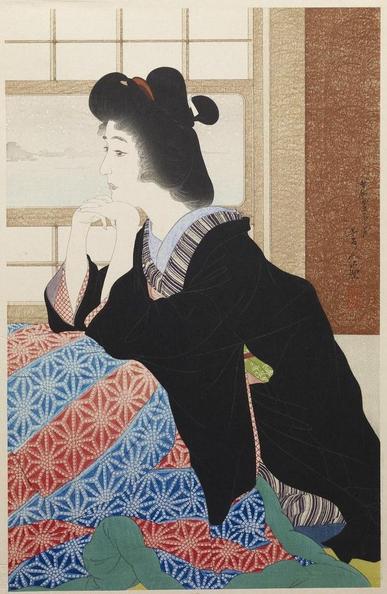
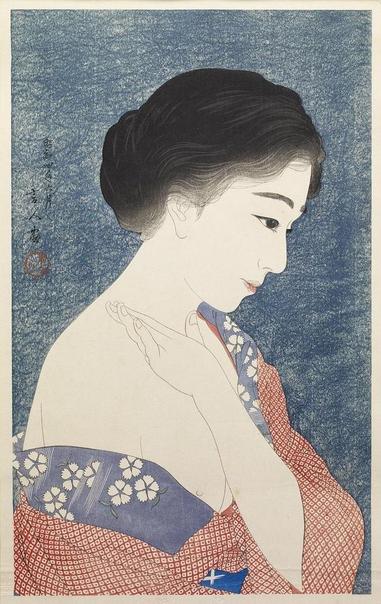
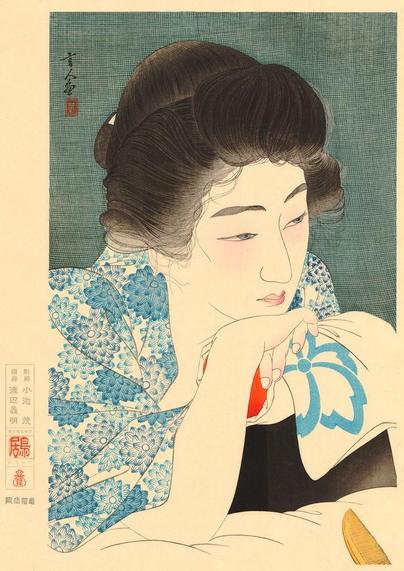
#ToriiKotondo (1900-1976) was a prominent artist of the #ShinHanga movement, known for his #bijinga. His work is characterized by its elegance, refinement, and attention to detail, capturing the grace and poise of his subjects in moments of quiet introspection. Here is a short dossier on his life and work:

🌍 https://www.fabriziomusacchio.com/weekend_stories/told/2024-09-01-torii_kotondo/

#ukioye #JapaneseArt

Torii Kotondo: The Shin Hanga bijin-ga master

Torii Kotondo (1900-1976) was a prominent artist of the Shin Hanga movement, known for his exquisite bijin-ga (pictures of beautiful women). His work is characterized by its elegance, refinement, and attention to detail, capturing the grace and poise of his subjects in moments of quiet introspection.

Fabrizio Musacchio

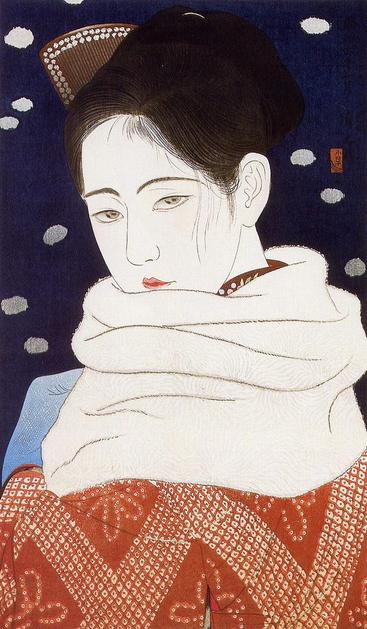
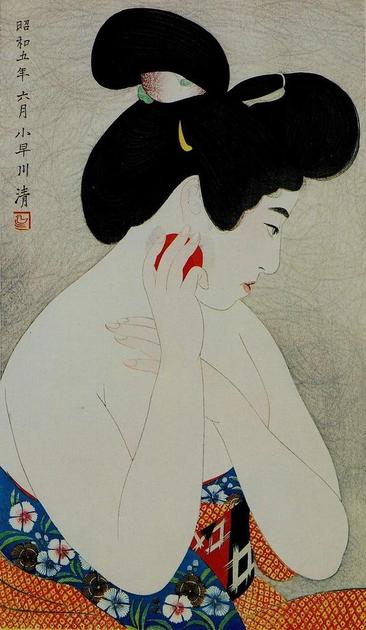
#KobayakawaKiyoshi (1899–1948) was another prominent artist of the #ShinHanga movement, known for his elegant and modern #bijinga (pictures of beautiful women). Here is a short dossier on his life, art, and legacy:

🌍 https://www.fabriziomusacchio.com/weekend_stories/told/2024-08-29-kobayakawa_kiyoshi/

#ukiyoe #JapaneseArt

Kobayakawa Kiyoshi: Elegance in modern bijin-ga

Kobayakawa Kiyoshi (1899–1948) was a prominent artist of the Shin Hanga movement, known for his elegant and modern bijin-ga (pictures of beautiful women). Here is a short dossier on his life, art, and legacy.

Fabrizio Musacchio

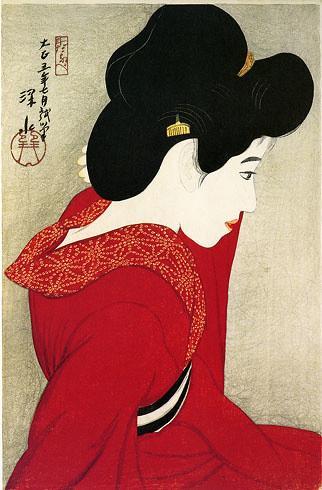
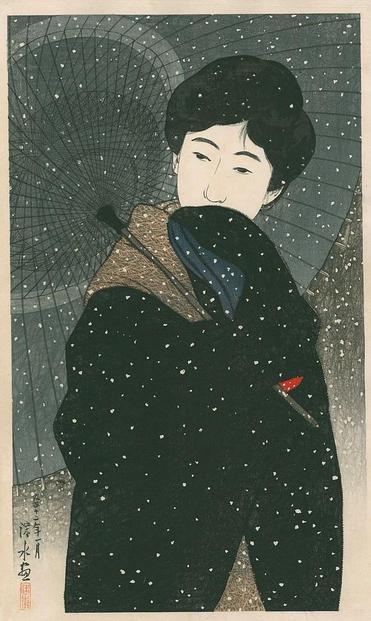
#ItōShinsui (1898–1972) was a central figure in the #ShinHanga movement, renowned for his refined depictions of Japanese women (#bijinga) and serene landscapes. His work is characterized by a blend of traditional Japanese aesthetics with modern influences, marked by graceful lines, subtle colors, and a delicate portrayal of beauty. Here is a short dossier on him along with some of his most famous prints:

🌍 https://www.fabriziomusacchio.com/weekend_stories/
#JapaneseArt #ukiyoe

Weekend Stories

Weekend Stories is a visual diary of everyday stories, (mostly) captured on weekends.
Fabrizio Musacchio

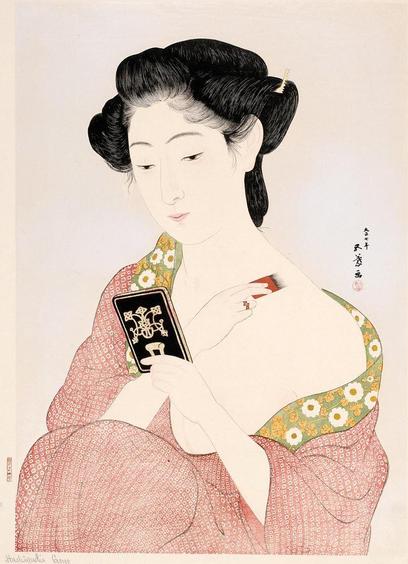
#HashiguchiGoyō was a pioneering artist of #ShinHanga. He is best known for his exquisite #bijinga (paintings of beautiful women), which are celebrated for their elegance and attention to detail. Goyō's work represents a fusion of traditional #ukiyoe aesthetics and modern Western techniques, creating a unique style within the #ShinHanga movement. Here is a short dossier on him along with some of his most famous prints:

🌍 https://www.fabriziomusacchio.com/weekend_stories/told/2024-08-26-hashiguchi_goyo/

#JapaneseArt

Hashiguchi Goyō: Pioneer of Shin Hanga

Hashiguchi Goyō was a pioneering artist of Shin Hanga, the ‘new print’ movement in early 20th-century Japan. He is best known for his exquisite bijin-ga (pictures of beautiful women) prints, which are celebrated for their elegance, grace, and meticulous detail. Goyō’s work represents a fusion of traditional ukiyo-e aesthetics and modern Western techniques, creating a unique style that set him apart as one of the leading artists of the Shin Hanga movement.

Fabrizio Musacchio

Utawaga #Kunisada (1786-1865) was another very prominent #ukiyoe artist of the late #EdoPeriod. He was a pupil of #Toyokuni I and became one of the most successful and prolific designers of woodblock prints in the 19th century. Kunisada was known for his prolific portraits of Edo, #Kabuki actors (#yakushae) and beautiful women (#bijinga), as well as for his series of landscapes (#fūkeiga) and historical scenes.

🌍 https://www.fabriziomusacchio.com/weekend_stories/told/2024-08-17-kunisada/

#JapaneseArt

Utagawa Kunisada: The prolific master of ukiyo-e

Utawaga Kunisada (1786-1865) was another very prominent ukiyo-e artist of the late Edo period. He was a pupil of Toyokuni I and became one of the most successful and prolific designers of woodblock prints in the 19th century. Kunisada was known for his prolific portraits of Edo, Kabuki actors (yakusha-e) and beautiful women (bijin-ga), as well as for his series of landscapes (fūkei-ga) and historical scenes.

Fabrizio Musacchio

Your art history post for today: Young Leaves, silkscreen, by Uemura Shoen (1875 - 1949). Being a print, it appears in more than one collection. #arthistory #japan #bijinga

“Shōen Uemura was one of the leading women artists of modern Japan. In 1948, she became the first woman to be awarded the Bunka Kunshō [Order of Culture]. Additionally, among artists of the modern era, she remains (as of April 2023) the only woman whose works have been designated Juyō Bunkazai [Important Cultural Properties].

The majority of S. Uemura’s works depict the female form. Using ukiyo-e iconography as a reference or mining subject matter from traditional performing arts, such as Noh theatre, she painted what she herself considered to be the “ideal female image”. She began attracting attention as a painter in her late teens, and many women artists subsequently followed her example. Her work also triggered the reemergence of the bijinga (portraits of beautiful women) genre within the art world. Ultimately, however, she was unrivalled in her day for her high degree of technical skill and her ability to portray the inner lives of fully independent and spiritually self-reliant women.” https://awarewomenartists.com/en/artiste/shoen-uemura/

Shōen Uemura — AWARE Women artists / Femmes artistes

Shōen Uemura was one of the leading women artists of modern Japan. In 1948, she became the first woman to be awarded the Bunka Kunshō [Order of Culture]. Additionally, among artists of the modern era, she remains (as of April 2023) the only woman whose...

AWARE Women artists / Femmes artistes