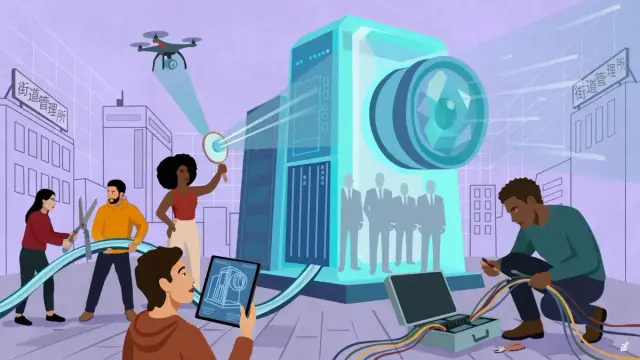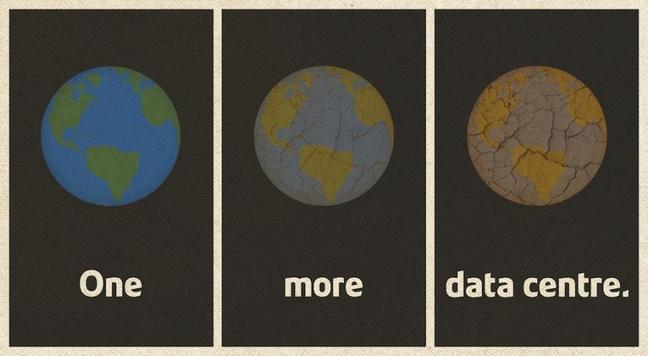
"Some say AI is good and will help people and the planet. Some say AI is inevitable." We need more questions than pleasant answers.

Don't miss the closing article of the series "Don't Ask AI, Ask A Peer" by APC, @globalvoices & GenderIT: https://www.apc.org/en/blog/need-generate-more-questions-pleasant-answers

#AI #askapeer

"China cannot offer a direct answer to how to develop a human rights approach to AI. Yet, its open embrace of AI technology and its ambitions for dominance in the global AI market can serve as a case study for the burgeoning relationship between the private sector and the state, the machine and society," says Oiwan Lam in this article part of the series “Don't ask AI, ask a peer,” a collaboration among @globalvoices APC & GenderIT.

https://genderit.org/feminist-talk/chinese-lesson-human-rights-approach-ai

Image: Ibrahim Kizza.

#AI #askapeer

"By grounding AI in the right to life, equality, speech, essentials and privacy, we ensure it serves as a mirror of our highest values, rather than a magnifier of our oldest biases."

This article by Rebecca Ryakitimbo, a feminist technologist and researcher, is part of the series "Don't Ask AI, Ask A Peer" - a collaboration between GenderIT.org, APC.org, and @globalvoices.

https://www.apc.org/.../digital-crown-reclaiming-human...

#askapeer #AI

"The first step is to abandon the fallacy of technological and algorithmic neutrality and to question the underlying architecture of power embedded in these systems."

Continuing with the series "Don't Ask AI, Ask A Peer" - a collaboration between GenderIT, APC & Global Voices, we asked journalist and researcher Mariana Tamari: "What could be done to create and foster a human rights approach to AI?"

https://www.apc.org/en/blog/between-algorithmisation-territories-and-monoculture-data-are-there-paths-towards-ai-respect

#AI #Askapeer

Read our third article on this special series called "Don't ask AI, ask a peer," produced by Global Voices, APC and GenderIT: "What if instead of recentring the human, we expanded our sense of relation – recognising that intelligence, consciousness and care take multiple, entangled forms across species, systems and technological networks?" (by Kira Xonorika).

https://genderit.org/feminist-talk/centring-human

#askapeer #AI

RE: https://mstdn.social/@globalvoices/116411712490840133

Read our second article on this special series called "Don't ask AI, ask a peer," produced by Global Voices, APC and GenderIT: "The anthropomorphizing language we use prioritizes engagement over utility" (by Daria Dergacheva)

#askapeer #AI

What happens when we stop asking AI, and start asking each other again?
In this new series, Don't Ask AI, Ask A Peer (a collaboration between APC, GenderIT and Global Voices), writers and illustrators from different contexts respond to shared questions on AI, creativity, and human rights, not with one answer, but many.

Follow the series across April, and join the conversation.

Illustration by Gustavo Nascimento.

https://www.apc.org/en/blog/editorial-dont-ask-ai-ask-peer

#AskAPeer #AI

Ameya Nagarajan is the managing editor for the Global Voices newsroom. She shares her excitement about this collaboration between @globalvoices, APC and GenderIT that resulted in a series of thoughtful pieces called "Don’t ask AI, ask a peer".

Starting today, available on apc.org, genderit.org and globalvoices.org

#askapeer #AI

Hija Kamran is the lead editor of GenderIT.org and advocacy strategist within APC’s Women’s Rights Programme. She invites you to engage with this new series coming out next Tuesday 14 April, which is the result of a collaboration between @globalvoices, APC and GenderIT!

#askapeer #AI

Débora Prado is the lead editor at APC, and a journalist with a background in strategic communications, feminism and human rights. She shares a sneak peek of our new series "Don't ask AI, ask a peer" produced in collaboration with @globalvoices and GenderIT. Follow the series, starting tomorrow, Tuesday 14 April!

#askapeer #AI