 Ram Prakash
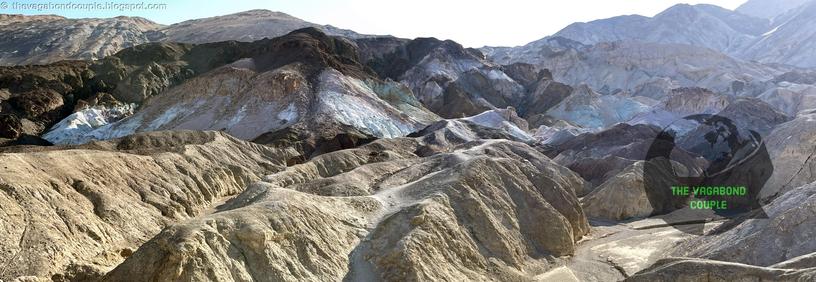
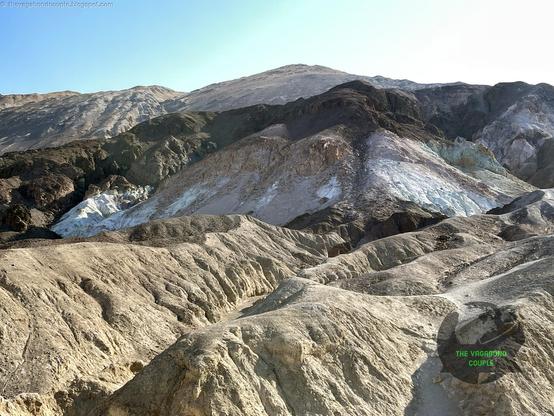
More from archives! #artistsPalette from the #DeathValleyNationalPark. If you look closely you can see people exploring the canyons.

More from archives! #artistsPalette from the #DeathValleyNationalPark. If you look closely you can see people exploring the canyons.
Ep. 11, #TransAmerica 9,000-mile #Overland #Roadtrip 🚙💨:
Cruise through Artists Drive in Death Valley, where the desert transforms into a painter’s palette of vibrant reds, pinks, purples, and greens! 🌄🎨 The Artists Palette Viewpoint is pure magic, especially in the golden glow of sunrise or sunset. But visiting in the heat of summer? Now that’s an adventure! ☀️🔥
#DeathValley #ArtistsPalette #RoadTripUSA #DesertVibes #TravelBloggers #travel #wanderlust #katrinakaif
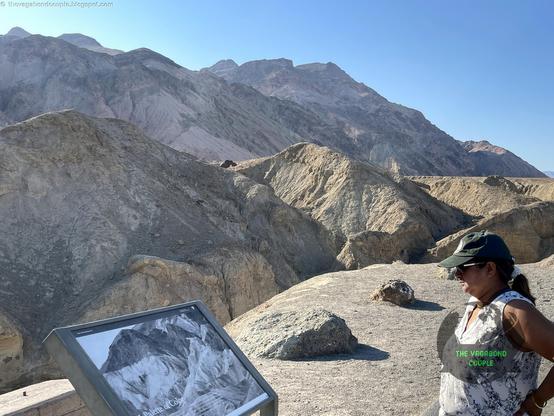
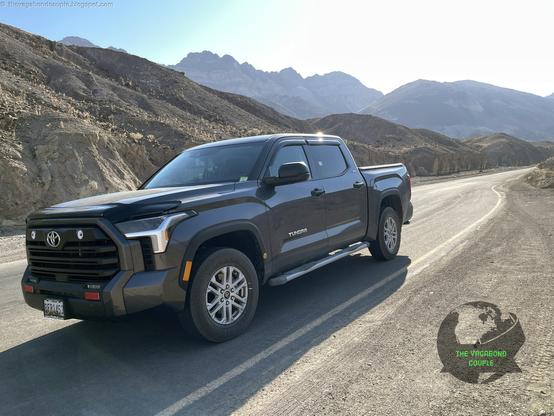

Part 11 of epic trans-USA & Mexico 9,000 mile road-trip: sizzling Death Valley: extreme contrasts, salt flats, rugged mountains - alien landscape

Things to Do in Death Valley When You’re Not Hiking
Death Valley National Park is famous for its extreme heat and varied landscapes. It’s a unique desert spot that draws visitors with its beauty and hidden treasures. You can explore geological wonders, visit historic sites, and more. There’s always something new to discover in this amazing national park.
Key Takeaways
Discovering the Unique Landscapes of Death Valley
Death Valley is famous for its varied and stunning landscapes. It draws visitors from all over the world. You can see everything from vast sand dunes to colorful rocks, making it a unique desert experience.
Exploring Mesquite Flat Sand Dunes
The Mesquite Flat Sand Dunes are a top spot in Death Valley. These tall dunes are surrounded by mountains, offering a breathtaking view. It’s a favorite for photographers, hikers, and families wanting to see the desert’s beauty.
Visiting Badwater Basin
Badwater Basin is the lowest point in North America, 282 feet below sea level. It’s a vast salt flat that shows Death Valley’s extreme conditions. Visitors can walk on the boardwalk and see the mountains around.
Checking Out the Artist’s Palette
The Artist’s Palette is known for its colorful rocks. These colors come from ancient volcanoes and minerals. The pink, green, yellow, and purple rocks create a stunning scene loved by photographers and nature lovers.
Death Valley’s landscapes are not just beautiful but also easy to see. Many sights are accessible with little hiking. You can see the sand dunes, walk on salt flats, or admire the colorful rocks. The unique geology of Death Valley will surely impress you.
“Death Valley is a land of extremes. It’s a place that challenges your senses and pushes the boundaries of what you think is possible in a desert environment.”
Wildlife Watching in Death Valley
Death Valley National Park is full of life, despite its harsh desert. Visitors can see amazing desert animals. These include the famous desert bighorn sheep and the rare pupfish.
Spotting Desert Bighorn Sheep
The desert bighorn sheep is a highlight in Death Valley. They are the biggest mammals in the park. You can see them climbing mountains in Titus Canyon, near Klare Spring.
Birdwatching in the National Park
Death Valley is great for birdwatchers. It has over 400 bird species, especially during migrations. You can see many birds, including grebes and herons, in the Salt Creek area.
The best time to see Death Valley wildlife is from November to May. This is when water is plentiful and animals are active. Whether you want to see desert bighorn sheep or many bird species, Death Valley is a unique place for wildlife watching.
Exploring Historical Sites
Death Valley National Park is famous for its stunning landscapes and rich history. Visitors can explore ghost towns, mining sites, and educational centers. These places offer a deep look into the region’s past.
Discovering Ghost Towns like Rhyolite
The ghost town of Rhyolite is a key historical site in Death Valley. Founded in 1904, it was a thriving mining town during the gold rush. Now, it stands as a reminder of the area’s brief but prosperous era.
Visitors can walk through Rhyolite’s abandoned buildings. The Bottle House is a highlight, giving a glimpse into the town’s lively past.
Visiting the Furnace Creek Visitor Center
The Furnace Creek Visitor Center is a must-visit for history buffs. It offers a detailed look at Death Valley’s history, geology, and wildlife. Exhibits and displays tell the story of the indigenous peoples and the brave settlers who came later.
The center is also a great place to plan your visit. It helps you explore Death Valley’s historical sites and natural wonders.
“Death Valley is a place of extremes, where the past and present collide in a stunning display of natural and human drama.”
Scenic Drives Worth Taking
Death Valley National Park is famous for its stunning landscapes. A great way to see these is by taking a scenic drive. You can enjoy views from Dante’s View or see colorful rocks on Artist’s Drive. These drives let you see the park’s beauty without having to hike far.
The Drive Through Dante’s View
Dante’s View is over 3,000 feet above Badwater Basin. It offers a breathtaking view of Death Valley. The drive takes you through the Amargosa Range, showing off the park’s unique landscapes.
As you go up, you see the vast salt flats of Badwater Basin. They look amazing against the rugged mountains.
Touring the Golden Canyon Road
The 9-mile Artist’s Drive is a must-see. It takes you through colorful rock formations. You’ll see the Artist’s Palette, with its green, pink, purple, and yellow rocks.
This drive lets you stop and explore the vibrant landscapes. It’s a great way to see Death Valley’s beauty from your car.
Stargazing in the Dark Skies
Death Valley National Park is famous for its amazing stargazing. It’s been named an International Dark Sky Park at the highest Gold Tier level. The park’s remote location means it has some of the darkest nights in the U.S. Visitors can see a stunning celestial show that’s hard to find in busier places.
Where to Find the Best Stargazing Spots
The best places for stargazing in Death Valley National Park are the Mesquite Flat Sand Dunes, Harmony Borax Works, Badwater Basin, and Ubehebe Crater. These spots are great for stargazing because they have wide-open spaces, no artificial lights, and clear views of the sky.
Tips for Photography Under the Stars
Death Valley National Park is a great place for stargazers and astrophotographers. It offers a unique chance to explore the dark skies and capture the cosmos’ beauty. With its special landscapes and dedication to preserving the night environment, it’s a top spot for an unforgettable stargazing adventure.
“The night sky in Death Valley is like nothing I’ve ever seen before. The sheer number of stars and the clarity of the Milky Way are simply breathtaking.”
Visiting Iconic Spots
Death Valley National Park is famous for its stunning landscapes. There are many iconic spots that visitors must see. Places like Zabriskie Point and the Devil’s Golf Course show the park’s diverse beauty.
The Furnace Creek Ranch Experience
The Furnace Creek Ranch is in the heart of Death Valley. It offers a chance to learn about the area’s history and culture. You can walk through historic buildings, visit a museum, and eat at the 1849 Restaurant.
Exploring Golden Canyon
Golden Canyon is a highlight in Death Valley. It’s a beautiful geological feature that has amazed visitors for years. The 8-mile hike takes about three and a half hours. It shows off the park’s golden badlands, like Tatooine from Star Wars.
Death Valley has awe-inspiring views, unique formations, and rich history. These iconic spots will make a lasting impression. They offer great opportunities for photography and exploration, making them the heart of the park.
Unique Seasonal Activities
Death Valley National Park is a true natural wonder. It offers a wide range of experiences all year round. While summer can be too hot for outdoor fun, spring and winter are perfect times to visit.
Wildflower Blooms in Spring
From February to April, Death Valley turns into a colorful paradise. The desert blooms with wildflowers, thanks to the park’s unique ecosystem. Visitors can see the amazing “super bloom” where the desert floor is covered in wildflowers.
Stargazing During Meteor Showers
Death Valley is an International Dark Sky Park, perfect for stargazing in winter. You can see the night sky in all its glory, without light pollution. It’s a great place to see meteor showers too.
Death Valley is amazing in spring with its wildflowers or at night with the stars. Planning your trip right can make your visit unforgettable. It’s a place where nature’s beauty shines brightly.
Adventurous Activities Beyond Hiking
Death Valley National Park is famous for its hiking trails. But, it also offers exciting adventures like ATV tours and sandboarding. These activities are perfect for those who love a thrill.
Exploring the Park by ATV
Take an ATV tour to see Death Valley’s hidden spots. These tours are guided and let you explore areas that are hard to reach. You’ll see the Mesquite Flat Sand Dunes and winding canyons.
It’s a thrilling way to see the park’s beauty. An ATV tour is an unforgettable Death Valley adventure.
Trying Out Sandboarding
Try sandboarding on the Mesquite Flat Sand Dunes for a unique thrill. It’s like snowboarding but on sand. Beginners can start on easy slopes, and experts can tackle the tough ones.
Sandboarding is a special way to see the park’s dune landscapes.
Whether you go on an ATV tour or sandboard, these activities are fun alternatives to hiking. They let you explore Death Valley in exciting ways. Get ready to make unforgettable memories in this vast park.
ActivityDescriptionDurationCostATV TourGuided tour of remote areas of Death Valley2-3 hours$100-$150 per personSandboardingGliding down the Mesquite Flat Sand Dunes1-2 hours$50-$75 per personCulinary Experiences in Death Valley
Death Valley, in the Mojave Desert, is not just about its stunning landscapes. It’s also a place for food lovers to explore. Here, you can try local dishes and enjoy meals with views that take your breath away.
Dining at The 1849 Restaurant
The 1849 Restaurant is at the Furnace Creek Resort. It offers a taste of the desert’s history and flavors. With views of the desert, it’s a dining experience you won’t forget.
The menu uses local ingredients, showing off Death Valley’s desert cuisine. You can try mesquite-grilled steaks or hearty stews. These dishes honor the early settlers’ ingenuity and resilience.
Sampling Local Delicacies
Outside the resort, Death Valley’s local spots offer unique flavors. You can try artisanal jams from wild fruits or dishes with a smoky mesquite taste. Family-owned places share stories and traditions, adding to the culinary heritage.
Exploring Death Valley means packing snacks and water. Dining options are limited in remote areas. But, by trying the local food, you’ll appreciate the desert’s resilience and creativity.
Culinary Highlights in Death ValleyDetailsThe Oasis at Death ValleyCan accommodate gatherings of all kinds, from executive retreats to lavish weddings.McCarran International AirportLocated just two hours from the resort, with direct service from numerous U.S. cities as well as hubs in Asia and Europe.Mission GardensA romantic space for outdoor weddings and larger gatherings, created as part of a $250 million renovation.The Gold Rush Room at The Inn at Death ValleyCan accommodate up to 120 people and has two wood-burning fireplaces.Furnace Creek Golf CourseThe world’s lowest-elevation course at 214 feet below sea level.Spring-fed swimming poolsMaintain a consistent temperature in the mid-80s, ideal for poolside gatherings.“The flavors of Death Valley are a reflection of the land itself – resilient, resourceful, and truly unique.”
Planning for Family-Friendly Activities
Death Valley National Park has lots of fun activities for families. Kids and adults can enjoy exploring the Mesquite Flat Sand Dunes. They can also check out the educational exhibits at the Furnace Creek Visitor Center.
Places That Kids Will Enjoy
The Mesquite Flat Sand Dunes are a hit with families. Kids love to climb, slide, and explore the big, moving sand. The 2-mile hike to the dunes is easy and fun for little ones.
The Badwater Basin is also a big hit. It’s the lowest point in North America. Kids are amazed by the salt flats and beautiful views.
Educational Programs at the Visitor Center
The Furnace Creek Visitor Center is full of educational activities. It teaches about the park’s history, geology, and wildlife. The Junior Ranger program helps kids learn about nature and conservation.
Families can also see exhibits on mining and indigenous history. They can learn about how Death Valley’s amazing landscapes were formed.
AttractionDistance from Stovepipe Wells Village HotelEstimated TimeSuitable for FamiliesMesquite Flat Sand Dunes5 minutes2-3 hoursYesBadwater Basin45 minutes1-2 hoursYesFurnace Creek Visitor Center20 minutes1-2 hoursYes“Death Valley is a unique and captivating destination that offers families the opportunity to explore, learn, and create lasting memories together.”
Tips for a Memorable Visit
Visiting Death Valley safely and enjoying it requires good preparation. Packing the right items is key. Bring lots of water, sun protection like hats and sunglasses, and snacks for energy. Also, make sure your gas tank is full, as gas stations are few.
Check the weather and road conditions before you go. Death Valley’s heat is extreme, especially in summer. Stay on the right roads and trails for safety and to protect the desert.
Even with technology, a physical map is a good backup. Cell service can be weak in some parts of the park. With these tips, your visit to Death Valley National Park will be memorable and safe.
FAQ
What activities can we do in Death Valley besides hiking?
Death Valley has lots to do besides hiking. You can explore unique landscapes, watch wildlife, and visit historical sites. Enjoy scenic drives, stargaze in the dark skies, and see wildflowers and meteor showers.
What are some of the unique geological features we can see in Death Valley?
Death Valley has amazing geological features. See the Mesquite Flat Sand Dunes, Badwater Basin, and the Artist’s Palette. These spots are easy to reach and don’t require much hiking.
What wildlife can we expect to see in Death Valley?
You can spot desert bighorn sheep and enjoy birdwatching, especially at Salt Creek. The best time for wildlife watching is from November to May, when it’s cooler and animals are more active.
What historical sites can we explore in Death Valley?
Death Valley’s mining history is fascinating. Visit ghost towns like Rhyolite, the Furnace Creek Visitor Center, and the Harmony Borax Works. Also, check out the Wildrose Charcoal Kilns to learn about the park’s industrial past.
What scenic drives are worth taking in Death Valley?
Don’t miss the drive to Dante’s View, Artist’s Drive, and Father Crowley Overlook. These scenic routes offer breathtaking views without needing to hike far.
Where are the best spots for stargazing in Death Valley?
Death Valley is perfect for stargazing. It’s a Dark Sky Park. Find the best spots away from crowded areas like Furnace Creek or Stovepipe Wells. The park also hosts a Dark Sky Festival in February.
What are some of the iconic spots worth visiting in Death Valley?
Zabriskie Point, the Devil’s Golf Course, and Golden Canyon are must-sees. They offer stunning views and great photo spots with minimal walking.
What are some unique seasonal activities we can enjoy in Death Valley?
Death Valley has special activities all year. See wildflowers in spring and meteor showers in winter. Spring and fall are the best times for a comfortable visit.
What are some adventure activities beyond traditional hiking in Death Valley?
For more adventure, try ATV tours or sandboarding on the Mesquite Flat Sand Dunes. These activities let you explore the park’s diverse landscapes in new ways.
What culinary experiences can we expect in Death Valley?
Dining options are limited, but you can enjoy local food at the 1849 Restaurant at Furnace Creek. Remember to bring snacks and water for day trips.
What family-friendly activities are available in Death Valley?
Death Valley has fun activities for families. Explore the Mesquite Flat Sand Dunes and Badwater Basin. The Furnace Creek Visitor Center also offers educational programs and Junior Ranger programs.
What should we keep in mind when planning a visit to Death Valley?
To have a safe and fun trip, pack water, sun protection, and snacks. Check the weather and road conditions before you go. Stay on trails and be careful in the heat, especially in summer. Bring a physical map since cell service can be limited.
Source Links
#artistSPalette #ATVTours #badwaterBasin #culinaryExperiences #DeathValleyActivities #familyFriendlyActivities #ghostTowns #historicalSites #sandDunes #sandboarding #scenicDrives #stargazing #uniqueGeology #wildflowerBlooms #wildlifeWatching
From Sand Dunes to Salt Flats: Diverse Landscapes of Death Valley
Death Valley National Park covers nearly 3.4 million acres in California and Nevada. It’s the largest national park in the contiguous United States. It has landscapes from the lowest point in North America, Badwater Basin, to Telescope Peak at 11,049 feet. This desert oasis is perfect for adventurers and photographers.
Exploring Death Valley, you’ll see amazing sights. There are golden sand dunes, colorful badlands, salt flats, and rugged mountains. The geology and climate come together to create stunning views. Hiking the Mesquite Flat Sand Dunes or viewing the Panamint Range from Dante’s View will leave you with unforgettable memories.
Key Takeaways
My Journey into the Heart of Death Valley
Starting my adventure in Death Valley National Park filled me with excitement. This vast, rugged area is famous for its natural wonders and rocky landscapes. I was eager to find the hidden treasures of this desert oasis.
The Thrill of Discovering National Parks
Exploring national parks is a big part of my life, and Death Valley was next on my list. The idea of seeing this vast, untamed land excited me. I wanted to see its beauty and take amazing photos.
Preparing for the Adventure Ahead
After getting ready, I felt really excited. The trip was going to be tough but worth it. I was ready to dive into Death Valley’s natural wonders.
“Death Valley is a place of extremes, but it’s also a place of remarkable beauty. I couldn’t wait to discover its secrets for myself.”
With my bags packed and camera ready, I was off to explore Death Valley. I was ready to be amazed by the landscapes that awaited me.
The Majestic Mesquite Flat Sand Dunes
Stepping into the Mesquite Flat Sand Dunes is like entering a desert wonderland. These sand dunes are the most popular and accessible in Death Valley National Park. They are near the Stovepipe Wells area and cover a vast expanse. The highest dune rises nearly 100 feet, offering a thrilling challenge for sand boarders and hikers alike.
Walking Amongst the Waves of Sand
Navigating the Mesquite Flat Sand Dunes is an adventure in itself. The dune field has three types: crescent, linear, and star-shaped dunes. Each type has its own unique character. As you wander through the undulating landscape, you’ll be surrounded by the hypnotic rhythm of the sand, sculpted by the relentless desert winds.
Capturing Sunrise and Sunset
The Mesquite Flat Sand Dunes offer a photographer’s paradise. Their ever-changing hues and shapes come alive at different times of the day. Witnessing the sunrise and sunset over these dunes is breathtaking. The warm light transforms the sand into a canvas of golds, oranges, and reds. Capturing the perfect shot is a challenge that rewards the patient and adventurous.
“The dunes are formed by eroded canyons and washes providing sand, prevailing winds moving the sand, and geographic features trapping it.”
Less than one percent of the 3.4 million acre land area in Death Valley is covered by dunes. But the Mesquite Flat Sand Dunes hold the most extensive collection within the park. Whether you’re exploring on foot, capturing stunning photography, or simply marveling at the beauty, this iconic desert landscape is sure to leave a lasting impression.
Exploring the Colorful Artist’s Palette
Death Valley National Park is home to a geological wonder called the Artist’s Palette. This area is full of vibrant colors, showing the power of nature. It covers over 3.4 million acres, shaped by the planet’s forces.
The Geology Behind the Vibrant Colors
The colors of the Artist’s Palette come from volcanic activity, oxidation, and minerals. Sedimentary hills and clay formations show off red, pink, yellow, green, and lavender. These colors come from metals like iron, mica, and manganese oxidizing.
This place is a feast for the senses, showing how nature shapes our world. The colors change over time, showing the dynamic nature of our natural wonders.
Perfect Spots for Photography
The Artist’s Palette is a dream for photographers, attracting visitors worldwide. The 9-mile Artist’s Drive has many spots to capture the desert scenery. It’s a chance to see the geological formations up close.
The best times for photos are at sunrise and sunset. The light then brings out the colors. Plan your visit to avoid harsh midday sun.
Whether you love photography or just nature, the Artist’s Palette is a must-see. Its natural wonders and geological formations will impress everyone who goes.
The Salt Flats of Badwater Basin
The Badwater Basin is in the heart of Death Valley National Park. It’s the lowest point in North America. This vast area of salt flats covers nearly 200 square miles, making it a surreal and captivating sight.
The salt layer on the basin comes from minerals dissolved in rainwater. These minerals come from the surrounding rocks and settle here.
Understanding Salinity and Its Effects
The salt flats are mostly sodium chloride, or table salt. They also have calcite, gypsum, and borax. This high salt level affects the local ecosystem greatly.
It supports a unique community of organisms. An endemic snail found nowhere else lives here. The extreme environment also shapes the salt crystals, making the ground visually striking.
Reflections on the Unique Terrain
Standing on the salt flats, one is amazed by their vastness and beauty. The harsh terrain shows nature’s power and life’s resilience. Visitors feel the immense scale and timeless nature of Earth’s formations.
“The salt flats of Badwater Basin are a truly humbling and awe-inspiring sight, a reminder of the power and beauty of the natural world.”
The Rugged Beauty of Golden Canyon
As I explored Death Valley, I was amazed by the rocky landscapes and geological formations. The Golden Canyon stood out, showing the desert’s rugged beauty.
Hiking Through the Layers of History
The Golden Canyon Gower Gulch Loop hike is a must-see in Death Valley. It’s 5.4 miles long with a 900-foot elevation gain. The trail shows the canyon’s geological history.
Along the way, you see layered sediment from millions of years ago. It tells the story of this desert scenery.
Finding Hidden Gems Along the Trail
While hiking, I looked for hidden treasures. I saw the Red Cathedral and mineral crystals in crevices. Each step was a new discovery.
The park service recommends spending three hours on the hike. This allows time to enjoy the rugged beauty and geological wonders.
Hike OptionDistanceElevation GainEstimated TimeGolden Canyon Gower Gulch Loop5.4 miles900 feet3 hoursGolden Canyon Gower Gulch Loop (starting at Zabriskie Point)6.4 miles1,000 feet3 hoursGolden Canyon Hike (without Badlands Loop)4.2 miles700 feet2-3 hours“The crystals in Golden Canyon only grow when there is rain, which is infrequent in Death Valley. This slow growth process contributes to the geological changes witnessed in the canyon over time.”
The best time to visit Golden Canyon is from October to March. This avoids the extreme desert heat. The trail shows the rocky landscapes, geological formations, and desert scenery. It offers a peek into Death Valley’s rugged beauty.
Discovering Dante’s View
Dante’s View sits high on the Black Mountains, offering a stunning view of Death Valley’s rugged vistas and natural wonders. It’s at 5,575 feet, giving visitors a wide view of the Death Valley landscapes. This spot shows the amazing variety of this national park.
A Breathtaking Panoramic Perspective
The Dante’s View trail is a 1-mile hike with a 223-foot elevation gain. It leads to a famous viewpoint. The road up is steep and exciting, ending in amazing views.
From here, you can see the salt flats of Badwater Basin, rugged canyons, and Telescope Peak. It stands tall at 11,043 feet.
The Importance of Elevation
Death Valley’s elevation is extreme, from Badwater Basin’s -282 feet to Telescope Peak’s 11,043 feet. This huge difference creates a wide range of habitats and landscapes. Dante’s View, at 5,575 feet, gives a special view of this natural wonder.
“Visiting Dante’s View is a must-do experience for anyone exploring the Death Valley landscapes. The panoramic vistas are simply breathtaking and offer a true sense of the park’s dramatic elevation changes and geological diversity.”
Exploring Furnace Creek
As I explore the heart of Death Valley landscapes, I’m drawn to Furnace Creek. It’s a census-designated place at the heart of the national park. Furnace Creek is rich in history and a key spot for desert exploration and natural wonders.
A Historical Overview of the Area
Furnace Creek’s history starts with Native Americans who lived here. Borax mining later boosted the local economy. Today, it shows the human spirit’s strength in harsh environments.
Essential Amenities for Visitors
Furnace Creek is more than history; it’s a lively spot for today’s explorers. It offers many amenities, like the park’s headquarters and lodging. You can choose from luxury at The Inn at Death Valley or camping at The Ranch at Death Valley.
It also has dining, a gas station, and more. This makes Furnace Creek a key spot for Death Valley landscapes explorers. It’s where comfort meets desert life.
Furnace Creek is perfect for starting desert exploration in Death Valley National Park. Its history, landscapes, and services make it a true oasis. It captures the park’s natural wonders perfectly.
Meeting the Unique Wildlife
Despite the harsh, arid landscapes of Death Valley, this national park is home to a diverse array of wildlife. These creatures have adapted to thrive in the extreme desert scenery and natural wonders. You’ll find coyotes, ravens, roadrunners, and ground squirrels, all finding ways to survive in this unforgiving environment.
The park’s most unique inhabitant is the endangered Devils Hole pupfish. They live in the 93-degree waters of the park’s springs. These tiny fish have evolved to need minimal oxygen and can handle big temperature changes. The desert bighorn sheep also call the park home. They’ve learned to drink less water and quickly bounce back from dehydration, fitting right into the Death Valley landscapes.
The kangaroo rat is another remarkable species found here. It doesn’t need to drink water at all, getting moisture from the seeds and insects it eats. The park is also a key stopover for hundreds of bird species, offering them a vital rest.
When visiting Death Valley, it’s crucial to respect the park’s ecosystem. Keep a safe distance from wildlife to avoid disturbing them. By learning about these creatures’ amazing adaptations, we can better appreciate the resilience of life in this harsh yet beautiful desert.
Tips for a Successful Death Valley Trip
Planning a trip to Death Valley National Park is key for a safe and fun visit. It’s the largest national park in the lower 48 states. It has extreme landscapes that need careful planning.
What to Pack for Varying Conditions
When you pack for Death Valley, remember the huge temperature changes. Summers can get over 120°F (49°C), and winters can drop below freezing at night. Bring lots of water, sunscreen, and clothes to protect you from the sun.
Wear sturdy hiking boots, a wide-brimmed hat, and layers for the changing weather. This will help you stay comfortable all day.
Staying Safe in Extreme Environments
Staying safe is crucial in Death Valley’s harsh terrain. Always check the weather and road conditions before you go. Stay on marked trails and roads to protect the desert.
Tell someone where you’re going and when you’ll be back. With little cell phone service, have offline maps and a paper map ready.
FAQ
What makes Death Valley National Park unique?
Death Valley National Park is huge, covering over 3 million acres. It’s the hottest, driest, and lowest national park in North America. You’ll see sand dunes, salt flats, colorful badlands, and snow-covered mountains.
What are some of the must-see landscapes in Death Valley?
Don’t miss the Mesquite Flat Dunes, Artist’s Palette, Badwater Basin, Golden Canyon, and Dante’s View. These spots show off the park’s amazing geological wonders.
What are the Mesquite Flat Dunes like?
The Mesquite Flat Dunes are easy to get to and are the most famous. They’re near Stovepipe Wells and have huge dunes. You can even sand board on them.
What makes the Artist’s Palette so colorful?
The Artist’s Palette is known for its bright colors. These come from volcano deposits. It’s a great spot for photos, especially at sunrise and sunset.
What can visitors see at Badwater Basin?
Badwater Basin is the lowest point in North America. It has vast salt flats and unique salt crystal patterns. It’s a beautiful place for photos.
What is the experience of hiking through Golden Canyon?
Golden Canyon shows Death Valley’s geological history. The canyon walls reveal layers of sediment. Hiking here lets you see the rock formations and colors up close.
What can visitors see from Dante’s View?
Dante’s View offers a view of southern Death Valley and the Panamint Range. It’s at 5,475 feet. The view is amazing, showing the park’s diverse landscapes.
What is the Furnace Creek area known for?
Furnace Creek is the park’s headquarters. It has lodging, restaurants, and a gas station. It’s also where the highest air temperature was recorded, at 134°F.
What kind of wildlife can be found in Death Valley?
Death Valley has coyotes, ravens, roadrunners, and lizards. It’s also home to the Devils Hole pupfish and desert bighorn sheep. Remember to respect wildlife and their habitats.
How can visitors prepare for a trip to Death Valley?
Preparing for Death Valley is key due to the extreme weather. Bring lots of water, sunscreen, and wear protective clothes. Check the weather and road conditions before you go. Stay on trails and be ready for no cell service in remote areas. Tell someone your plans and when you’ll be back.
Source Links
#artistSPalette #badwaterBasin #danteSView #deathValleyLandscapes #DeathValleyNationalPark #desertExploration #furnaceCreek #GoldenCanyon #GowerGulchLoop #mesquiteFlatSandDunes #naturalWonders #rockyLandscapes #saltFlats #stovepipeWells #telescopePeak


Our eyes calibrated to something recently. We're funny like that. There is something dynamic about this. What do you think?
Its what happened when we took the shape of an #egg, balanced an #artistsPalette on it, then a ball on that, and we encircled this all in a planetary ring.
Of course we merged these shapes so they interact, as one does. 😂
What do you see? Anything fun?
NRN
@jeffcliff @eric @icedquinn @madargon @realcaseyrollins @koherecoWatchdog @lightone @BalooUriza @z @davidrevoy
 Vagabond Couple
 Phil
Phil HikerCarl
 Brendhan
 Dick Smiths Fair Go Supporters