 itgrrl
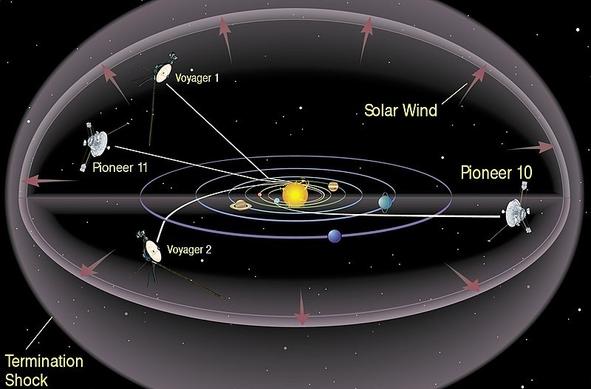
@uwuhaeckse #DSS43 📡 is the only antenna in the #NASA #DSN that talks to #VGR2 🛰️ because its flight trajectory had it head off ‘below’ the plane of the ecliptic (‘south’ from earth’s perspective), and 43 is the only antenna in the southern hemisphere powerful enough to communicate with it. The 70m antennas in the northern hemisphere don’t have line-of-sight, but even if they did they could only receive data 😢
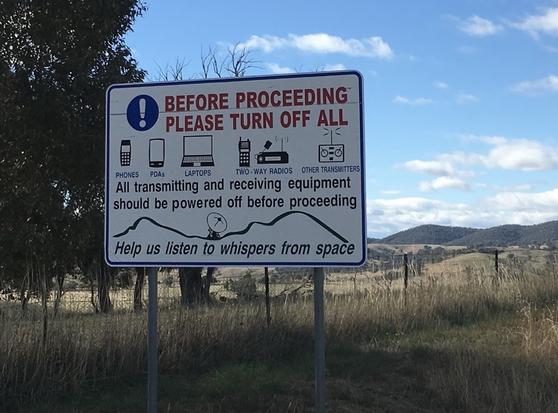
#VGR1 headed off ‘above’ the plane of the ecliptic, so all the 70m DSN antennas have line of sight & can all still Rx. but for Tx we need to use 43 ‘coz it’s the only 70m with a 100kW S-Band transmitter that has enough juice to send commands to the spacecraft. Rx from VGR1 is handled by arraying multiple antennas to create a larger effective (virtual) dish size, ‘coz it’s further away than VGR2 - remember that these spacecraft only have transmitters that push out ~23W (rated output, I expect they’ve fallen off a little over time). by the time it reaches earth, the signal Is about a billionth of a billionth of a watt (attowat) 🤯 that’s why they ask you to turn off devices 🚫📻 to “help us listen to whispers from space” 🤫
The image below shows their relative positions & trajectories in the solar system - full size at https://upload.wikimedia.org/wikipedia/commons/7/7c/Interstellar_probes_%28cropped%29.jpg 📸
current (ish) info about where the Voyagers are is at https://science.nasa.gov/mission/voyager/where-are-they-now/ 🗺️
btw, you can see the tracking schedule for #CDSCC at https://www.cdscc.nasa.gov/Pages/trackingtoday.html 👀