 DoomsdaysCW
#USEPA: "There has been no visible damage to the #ColumbiaRiver from the #ChemicalSpill." Yeah, just ignore all those DEAD FISH! smh
#PaperMillDisaster #LongviewWA #WashingtonState #EPAFail #USPol
#USEPA: "There has been no visible damage to the #ColumbiaRiver from the #ChemicalSpill." Yeah, just ignore all those DEAD FISH! smh
#PaperMillDisaster #LongviewWA #WashingtonState #EPAFail #USPol
A supportive commentary on the U.S. EPA's decision to abandon the Integrated Risk Information System (IRIS) and distribute hazard identification and dose-response assessment tasks to individual program offices:
https://www.acsh.org/news/2026/05/19/adios-iris-50131
Although IRIS has become a chokepoint, if not an actual block, on risk assessments, there is no data to show that this change will improve the speed, accuracy, or consistency of risk assessments.
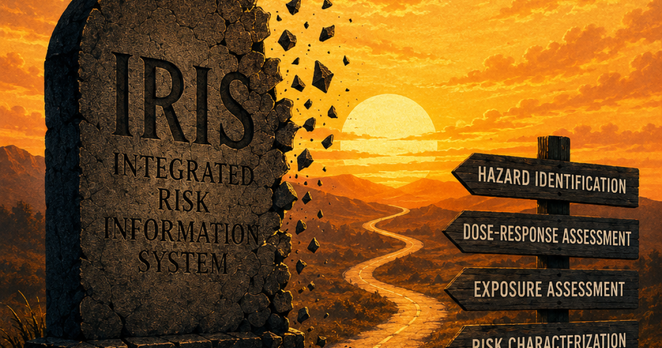
The EPA’s decision to end the use of IRIS for developing chemical risk assessments is a fundamental change in how the agency will decide what chemical hazards mean for regulation. By returning hazard and dose-response assessments to individual program offices, EPA may gain flexibility and scientific currency, but it risks recreating the very inconsistency IRIS was designed to prevent.
A critique of the linear non-threshold model used by the U.S. EPA to assess cancer risk:
https://www.acsh.org/news/2026/04/28/assessing-cancer-risk-its-time-follow-science-50084
As noted in the article, this is a politically contentious topic. The author has had a long career in both the public and private sector, and does not appear to have a political agenda.
#Toxicology #RiskAssessment #Cancer #Environment #EnvironmentalToxicology #USEPA
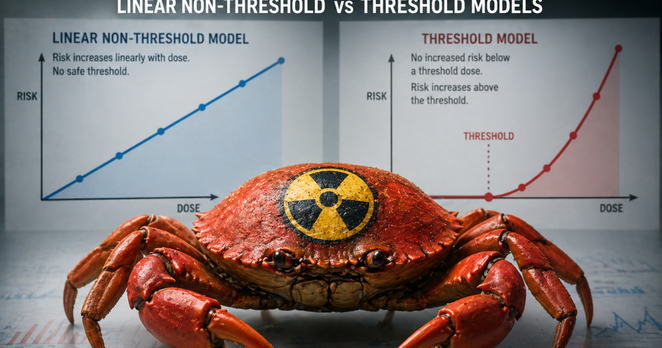
Every administration says it prioritizes getting the science right, and our current Administration has emphasized using “gold-standard science” as the basis for policy and regulatory decisions. However, for over six decades, regulatory agencies have relied on a flawed model, the linear non-threshold model, as the basis for cancer risk assessment, which significantly affects regulatory decisions at many agencies, including the EPA.
Comment period open for #USEPA’s proposed #perchlorate rule until March 9, 2026!
FYI the public comment period on the EPA's proposed rulemaking to gut the Greenhouse Gas Reporting Program ends on November 3. Get your comments in!
#GreenhouseGas #GreenhouseGase #ClimateChange #GHG #GreenhouseGasReportingProgram #GHGRP #PublicComment #EPA #USEPA
Couple nights ago was the first time I posted a public comment on a federal policy proposal.
It was the #USEPA's (completely inappropriate and backwards) proposal to reconsider the #EndangermentFinding (the and rescind federal regulations on vehicle GHG emissions.
I should comment more often.
 RDN
RDN Secret Agent Peach
 TahomaSoft
 glennmagusharvey
 emotional support tiger
 Vu Austern
 bigpoppaken
 Big Poppa Ken