 Rebecca's Reading Room
At The Yard, Salisbury — A Morning with Penguins
HOW PENGUIN BOOKS GOT ITS NAME — AND STARTED A PUBLISHING REVOLUTION
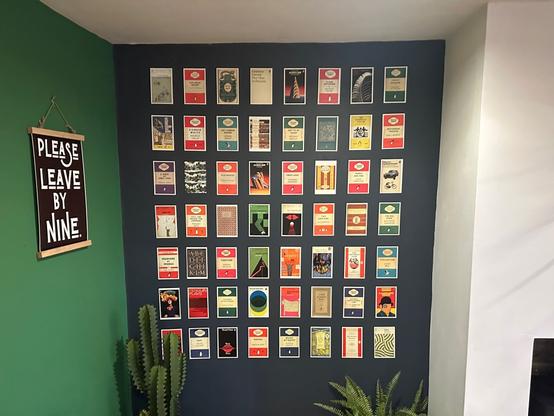
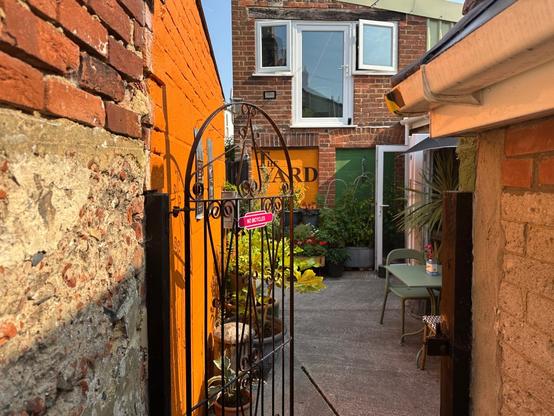
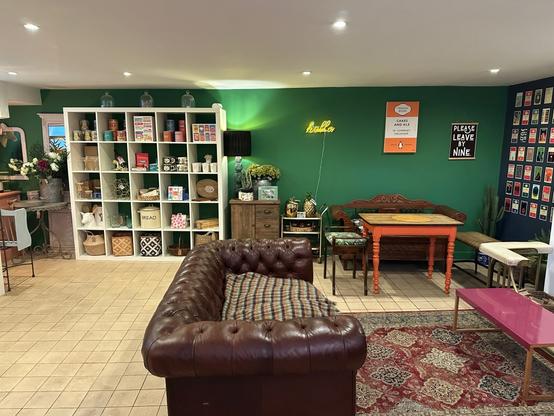
At the Yard, Salisbury, A Morning with PenguinsIt was a bright August morning when we wandered into The Yard, a tucked-away coffee shop in Salisbury that felt like a secret shared among friends. The scent of espresso mingled with freshly baked muffins, and the walls featured book covers — rows of orange, blue, and green Penguins, those timeless companions of readers everywhere.
At the Yard, Salisbury, A Morning with PenguinsAs we sipped our coffee (and yes, the hot chocolate was extraordinary), I remembered a story that began nearly a century ago — one that changed how the world reads.
At the Yard, Salisbury, A Morning with PenguinsIn 1935, Allen Lane, managing editor at The Bodley Head, stood on a train platform in Exeter after visiting Agatha Christie. Searching for a good-quality paperback for his journey back to London, he found only cheap, flimsy magazines. That moment sparked an idea that would transform publishing: books should be both affordable and beautifully made — quality literature priced like a daily newspaper.
Lane envisioned a series of paperbacks that would bring fine writing to everyone, sold not just in bookshops but in railway stations and corner stores. A young secretary, Joan Coles, suggested the name ‘Penguin,’ friendly and memorable. Lane sent 21-year-old artist Edward Young to the London Zoo to sketch the bird that would become one of the most beloved emblems in publishing history.
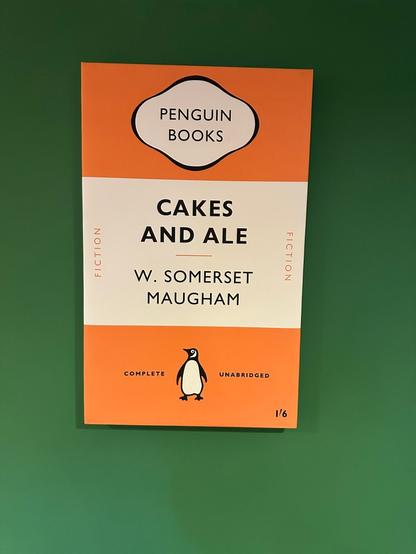
What many readers don’t realize is that the earliest Penguins were colour-coded — a design both simple and brilliant. Each colour represented a different genre: orange for fiction, dark blue for biography, red for drama, green for crime, black for serious non-fiction, purple for essays, and grey for world affairs. Together they formed a mosaic of modern reading — bright, confident, and accessible. When we looked at the colourful covers on The Yard’s walls, we were really looking at the visual history of how reading became democratic.
The literary establishment was scandalized. Serious literature, sold beside the morning paper? But readers had the final word. Hemingway, Christie, and Maurois found new homes in satchels and coat pockets across Britain. Within a year, millions of Penguins were in circulation — proof that good books belong to everyone.
As I looked at those covers in The Yard, I realized that the Penguin revolution wasn’t just about paperbacks. It was about trust — the belief that ordinary people deserved access to extraordinary ideas.
At the Yard, Salisbury, A Morning with PenguinsIn a quiet corner of Salisbury, over coffee and conversation, I was reminded that revolutions don’t always begin with noise. Sometimes, they start with a small bird and a bold idea.
Until the next page,
Rebecca
#books #PenguinBooks #RebeccaSReadingRoom #Salisbury #TheBodleyHead