 The Japan Times
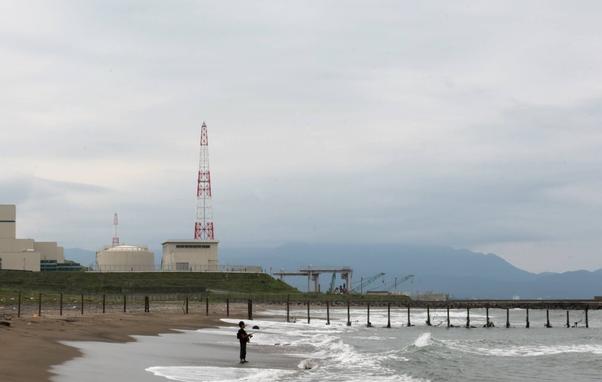
TEPCO said Sunday that the resumption at the No. 6 reactor at its Kashiwazaki-Kariwa nuclear plant came a day after the replacement of a damaged part that led to the suspension of power generation. https://www.japantimes.co.jp/news/2026/03/22/japan/kashiwazaki-kariwa-resumes-power-generation/?utm_medium=Social&utm_source=mastodon #japan #kashiwazakikariwa #tepco #nuclearpower
 Mathrubhumi English
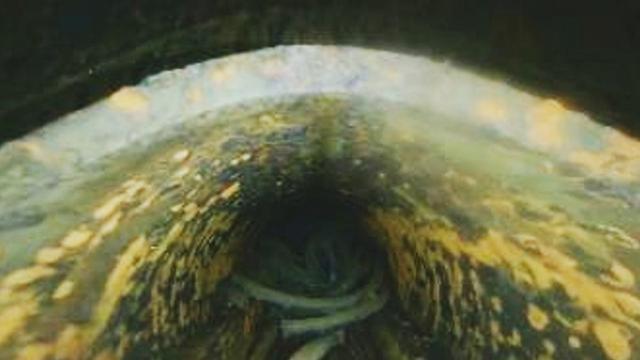
INSIDE FUKUSHIMA: Tiny drones capture historic footage of melted nuclear fuel in Unit 3. https://english.mathrubhumi.com/technology/fukushima-unit-3-drone-footage-melted-fuel-debris-hole-discovered-cpyn90he?utm_source=dlvr.it&utm_medium=mastodon #Fukushima #TEPCO #NuclearEnergy #Robotics #Science
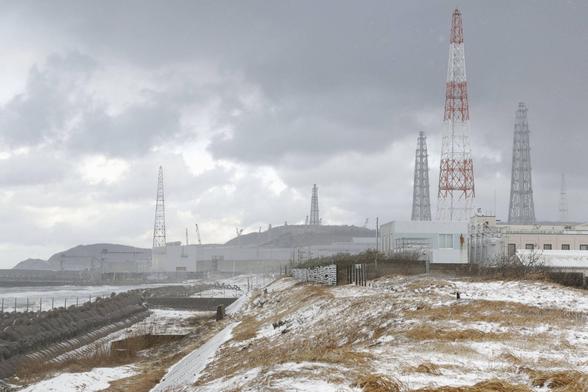
Tepco has postponed the start of commercial operation of the No. 6 reactor at its Kashiwazaki-Kariwa nuclear power plant in Niigata Prefecture to replace parts susceptible to vibrations from the generator. https://www.japantimes.co.jp/news/2026/03/20/japan/kashiwazaki-kariwa-plant-operation-delay/?utm_medium=Social&utm_source=mastodon #japan #nuclearenergy #tepco #kashiwazakikariwa #niigata
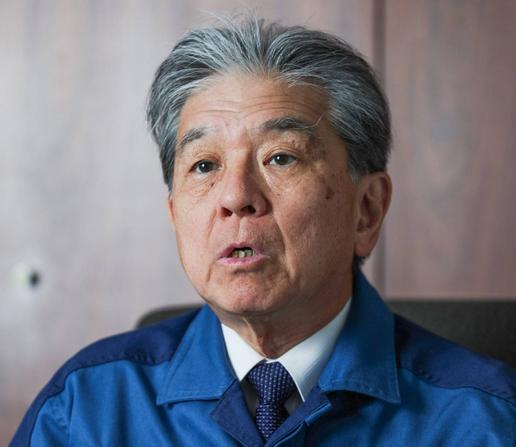
Tepco will maintain a goal of decommissioning its disaster-stricken Fukushima No. 1 nuclear power plant in 2051, a senior official in charge of the project has said. https://www.japantimes.co.jp/news/2026/03/12/japan/tepco-fukushima-plant-decommission/?utm_medium=Social&utm_source=mastodon #japan #tepco #fukushimano1 #nuclearenergy #fukushima #311
 DoomsdaysCW
SimplyInfo.org: 15th Anniversary Report #FukushimaDaiichi
March 2, 2026
Excerpt: "This TV Asahi investigative report from March 2025 [linked below] paints a sobering picture of the enormous challenges still facing the decommissioning of Fukushima Daiichi, fourteen years after the accident. While #TEPCO achieved a milestone the previous November by extracting roughly 0.7 grams of #NuclearFuel debris for the first time, experts interviewed for the piece emphasized that debris removal is just one piece of a far more complex puzzle. Around 1,000 fuel assemblies
still remain in the spent fuel pools of Units 1 and 2, untouched since the accident, and officials from the Nuclear Damage Compensation and Decommissioning Facilitation Corporation (#NDF) described clearing these pools as the single most urgent priority — in part because another
#earthquake or #tsunami could strike at any time.
"Before large-scale debris removal can even begin, the area around the reactor buildings must be cleared of heavily contaminated structures and exhaust stacks to make room for the massive equipment required. Because humans cannot safely approach the highly radioactive debris, all removal work must be done remotely. Radiation levels outside the buildings remain dangerously high — a dosimeter near #Unit2 showed particularly elevated readings — and contaminated water continues to be generated at a rate of roughly 80 tons per day as #rainwater and #groundwater contact radioactive materials on site, despite TEPCO having already released about 80,000 tons of treated [but still radioactive] water into the ocean.
"Perhaps the most troubling concern raised in the article is what happens to the debris and #RadioactiveWaste after it is removed. Hiroshi Miyano, chairman of the Decommissioning Review Committee of the Atomic Energy Society of Japan, was blunt in his criticism, saying no serious thought has been given to managing this waste over the coming century or two.
"The Fukushima debris is uniquely complicated because it is a mixture of melted nuclear fuel and structural materials, and experts warned that removal may not even be possible until a concrete disposal plan is in place. General decommissioning superintendent Toyoshi Fukada warned that without proper storage facilities ready in advance, the entire decommissioning effort could eventually grind to a halt simply because there would be nowhere to put the waste."
Read more:
https://simplyinfo.org/2026/03/simplyinfo-org-15th-anniversary-report-fukushima-daiichi/
Asashi investigative report [pdf]:
https://www.dropbox.com/scl/fi/ysaf6a7hj62286sv4hoql/alps_water_d250130_14-j_translated.pdf?rlkey=3u397ndoafdtiq6fgjczg4a74&st=845tdf30&dl=0
#FukushimaIsntOver #TEPCOLies #RethinkNotRestart #NoNukes #NoNukesForAI #RenewablesNow #WaterIsLife #OceansAreLife #NuclearPlants #NuclearDisaster #Remember311
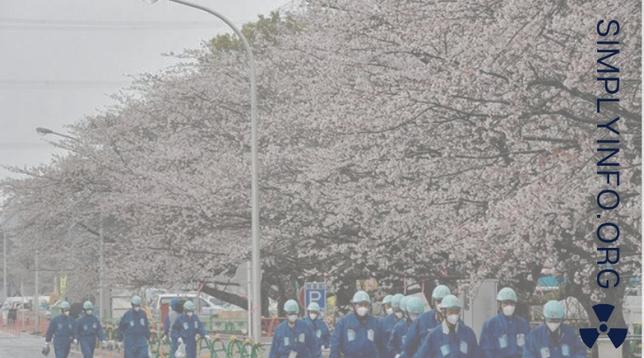
Fifteen years after Japan’s Fukushima disaster, its clean-up, if successful, could become a global blueprint for nuclear recovery. https://www.japantimes.co.jp/news/2026/03/09/japan/fukushima-nuclear-plant-cleanup-operation/?utm_medium=Social&utm_source=mastodon #japan #fukushimano1 #311 #nuclearenergy #tepco
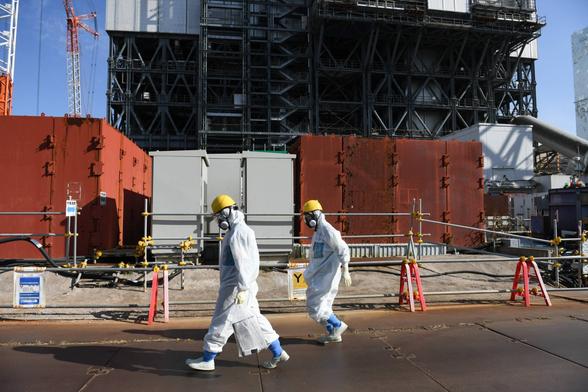
Japan's nuclear comeback slow, steady and seen as necessary, as a stable source of emission-free power is needed if the country is to meet its energy goals https://www.japantimes.co.jp/business/2026/03/06/economy/nuclear-power-comeback/?utm_medium=Social&utm_source=mastodon #business #economy #tepco #kashiwazakikariwa #nuclearenergy #niigata #restarts #311 #fukushima
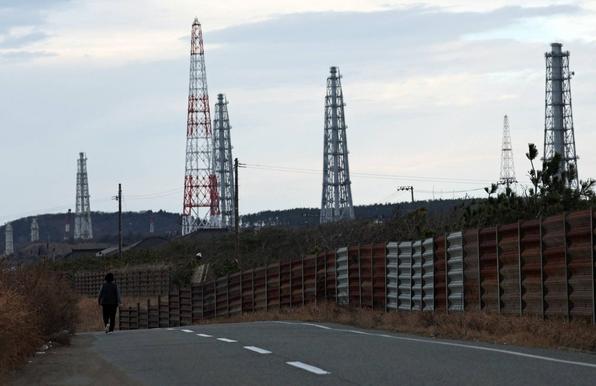
The Fukushima No. 1 nuclear power plant has started its seventh — and final — round of treated water discharge into the Pacific for fiscal 2025. https://www.japantimes.co.jp/news/2026/03/06/japan/fukushima-water-release-final/?utm_medium=Social&utm_source=mastodon #japan #fukushima #tepco
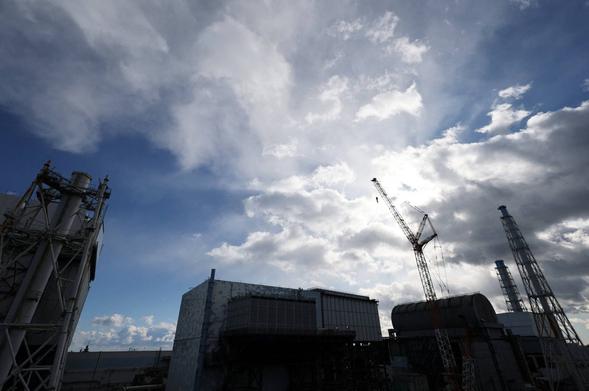
Nuclear power appears to be having a renaissance globally, though in much of the world, lofty ambitions are at odds with the reality of an industry hollowed out by decades of stagnation. https://www.japantimes.co.jp/news/2026/03/06/world/science-health/global-nuclear-power-renaissance/?utm_medium=Social&utm_source=mastodon #worldnews #sciencehealth #nuclearenergy #tepco #france #us #china #india #russia
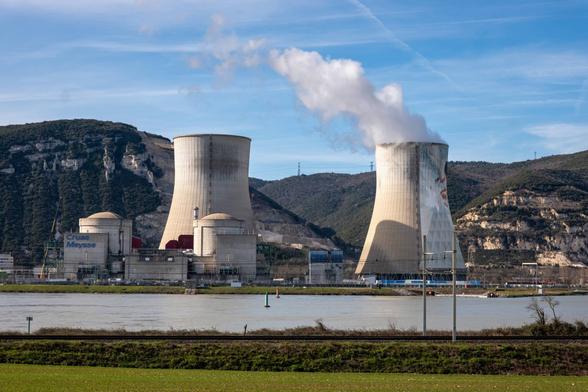
The Environment Ministry plans to begin full-scale efforts aimed at recycling soil collected during decontamination work at the Fukushima No. 1 nuclear power plant. https://www.japantimes.co.jp/news/2026/03/02/japan/fukushima-soil-decontamination-reuse/?utm_medium=Social&utm_source=mastodon #japan #fukushima #fukushimano1 #tepco #radiation #311
