
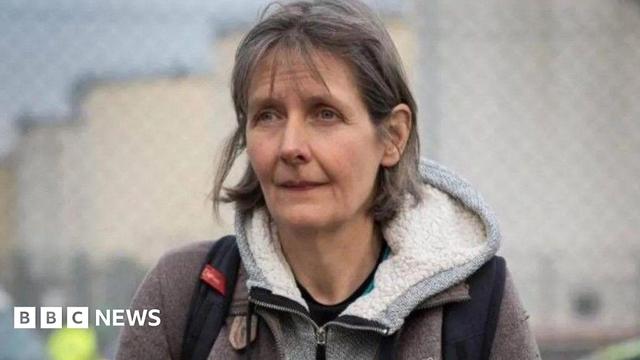
"A retired GP who took part in animal cruelty and climate change protests has had the suspension of her medical licence extended by 12 months.

The Medical Practitioners Tribunal Service (MPTS) reviewed the fitness to practise of Dr #SarahBenn, whose current suspension was due to end on 20 June after an animal rights demonstration. She was previously suspended for #JustStopOil activism."
https://www.bbc.co.uk/news/articles/cn5p5l64n6ro

#RightToProtest #DirectAction

Retired GP's suspension extended for a year over Warwickshire and Herefordshire protests

Dr Sarah Benn's suspension is extended for 12 months over protests in two counties.

BBC News
The Doctors’ Association UK (DAUK) is concerned that the Medical Practitioners Tribunal Service (MPTS) suspended Dr Sarah Benn from the medical register for five months after she took part in climate activism peaceful protests at an oil refinery as part of a Just Stop Oil campaign. What do you think?
#SarahBenn #JustStopOil
https://docs.google.com/forms/d/e/1FAIpQLSf-DS3Ed_VSOOLeQkhsu9yL1QYKkS3YeOm0w9bvcd4IvtPbTA/viewform
Can doctors protest against climate change and still be doctors?

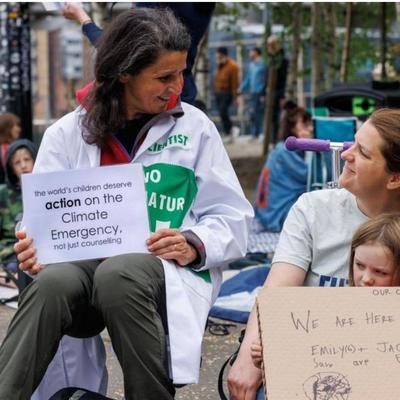
The Doctors’ Association UK (DAUK) is concerned that the Medical Practitioners Tribunal Service (MPTS) suspended Dr Sarah Benn from the medical register for five months after she took part in climate activism peaceful protests at an oil refinery as part of a Just Stop Oil campaign. The oil company had obtained a civil injunction preventing protests, Dr Benn was in breach of this, found guilty of contempt of court and was imprisoned for a short time. Dr Benn stated that, as a doctor, she had a moral duty to take action to protect life and health in the context of a severe threat to both due to climate breakdown. However, the General Medical Council (GMC), the regulator for doctors, argued that she had undermined public confidence in the medical profession by breaking the law. The GMC further argued that Dr Benn was mistaken if she believed the public, understanding her motivation and concern for the climate, would lose trust in her as a doctor if she did not protest. The GMC stated Dr Benn was ascribing a degree of knowledge to the public as a whole that is simply unachievable. The public would just see a doctor breaking the law, acting in contravention of her professional code, and would expect regulatory sanction as the public and the GMC expect doctors to be held to a higher standard of conduct and behaviour. We at DAUK understand that Dr Benn broke the law, when she stood peacefully holding a small placard. We also understand that patients must be able to trust doctors with their lives and health; doctors must make sure their conduct justifies their patients’ trust in them and the public’s trust in the profession. But we want to know what YOU think. Crucially, not all doctors subject to a custodial sentence having broken the law have been sanctioned by the MPTS as the MPTS can use its discretion. Did Dr Benn put patients at risk with her placard? Did Dr Benn bring the medical profession into disrepute? Did she put the trust of the public in their doctors at risk? Please answer our short survey and tell us your views. Read more on Dr Benn's case.

Google Docs
"It’s tempting to think that medical activism is new, but it isn’t. There’s a distinguished history of doctors, some of them eminent, putting their medical careers and reputations at risk by making social action a priority" #SarahBenn #GMC #ClimateEmergency
https://www.bmj.com/content/385/bmj.q939
John Launer: Doctors as activists

Doctor activists are in the news. Sarah Benn, a former GP from Birmingham, has had her medical licence suspended for five months after being arrested for taking part in peaceful protests by Just Stop Oil.1 Medical members of the Extinction Rebellion movement have served jail sentences for taking part in peaceful protests about the climate emergency: they now face disciplinary hearings to determine whether they’ll be struck off.2 It’s tempting to think that medical activism is new, but it isn’t. There’s a distinguished history of doctors, some of them eminent, putting their medical careers and reputations at risk by making social action a priority.3 As it happens, two books I’ve …

The BMJ