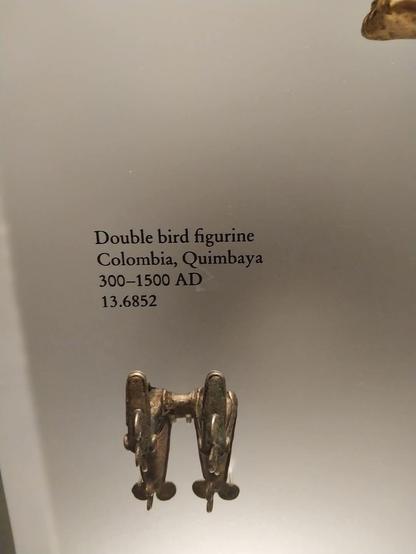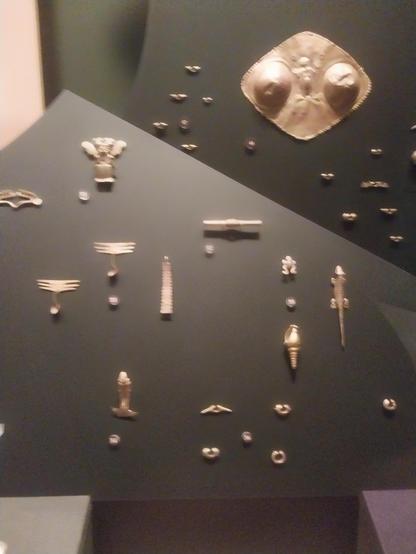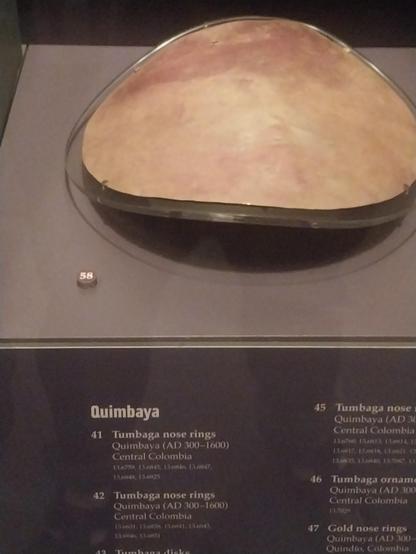
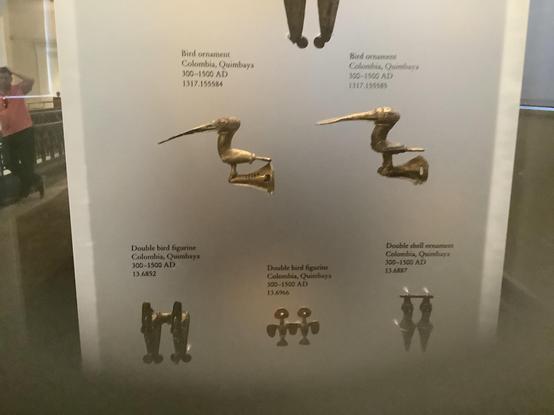
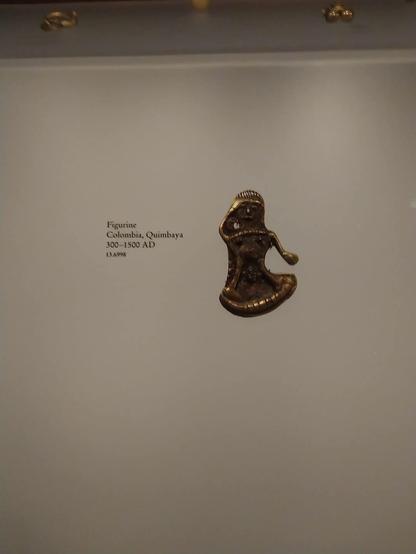
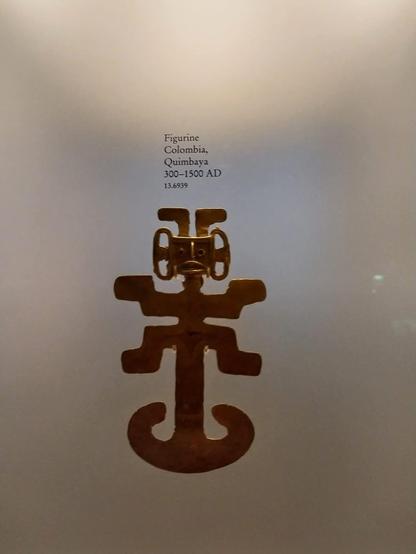
#Quimbaya (/kɪmbaɪa/) were a small, ancient indigenous group in present-day Colombia[1] noted for their gold work characterized by technical accuracy and detailed designs. The majority of the gold work is made in tumbaga alloy,
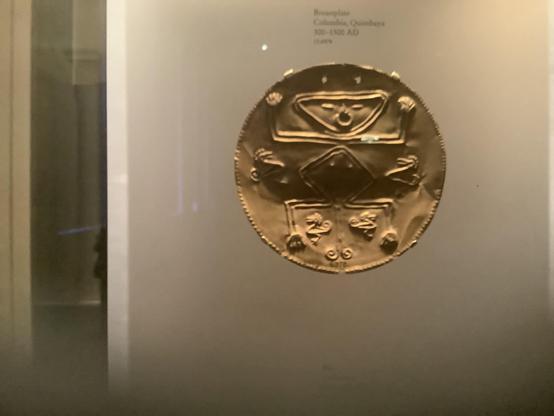
#Quimbaya (/kɪmbaɪa/) were a small, ancient indigenous group in present-day Colombia[1] noted for their gold work characterized by technical accuracy and detailed designs. The majority of the gold work is made in tumbaga alloy, with 3
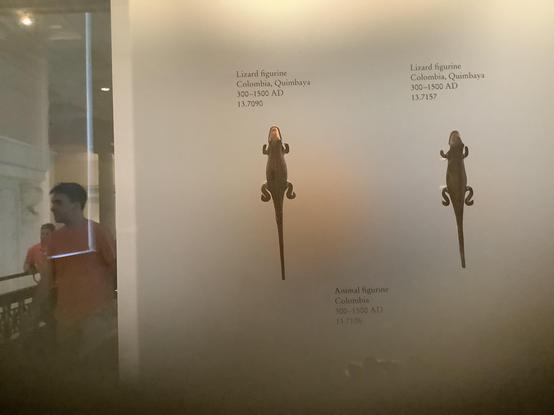
💥 Flohmarktfund oder Raubkunst?

Eine Leserin schickt mir einen goldenen Armreif – 5 € bezahlt. Die Spur führt nach Kolumbien und in eine 2.500 Jahre alte Kultur!

👉 https://www.miss-jones.de/2025/01/31/kann-es-sein-dass-ich-raubkunst-auf-dem-flohmarkt-entdeckt-habe/

#Archäologie #Raubkunst #Quimbaya #MissJones #TrueStory #GeschichteEntdecken #SchmuckMitGeschichte
Archäologische Detektivarbeit: Was ein Flohmarktfund über Raubkunst verrät | Miss Jones

Ein goldener Armreif vom Flohmarkt führt zur Frage: Ist das Raubkunst? Archäologin Miss Jones geht dem Fund auf die Spur – mit spannenden Erkenntnissen.

#Quimbaya (/kɪmbaɪa/) were a small, ancient indigenous group in present-day Colombia[1] noted for their gold work characterized by technical accuracy and detailed designs. The majority of the gold work is made in tumbaga alloy, with 30% copper, which colours the pieces
#Quimbaya (/kɪmbaɪa/) were a small, ancient indigenous group in present-day Colombia[1] noted for their gold work characterized by technical accuracy and detailed designs. The majority of the gold work is made in tumbaga alloy, with 30% copper, which colours the pieces.
#Quimbaya (/kɪmbaɪa/) were a small, ancient indigenous group in present-day Colombia[1] noted for their gold work characterized by technical accuracy and detailed designs. The majority of the gold work is made in tumbaga alloy, with 30% copper, which colours the pieces.
#Quimbaya (/kɪmbaɪa/) were a small, ancient indigenous group in present-day Colombia[1] noted for their gold work characterized by technical accuracy and detailed designs. The majority of the gold work is made in tumbaga alloy, with 30% copper, which colours the pieces#Quimbaya (/kɪmbaɪa/) were a small, ancient indigenous group in present-day Colombia[1] noted for their gold work characterized by technical accuracy and detailed designs. The majority of the gold
#Quimbaya (/kɪmbaɪa/) were a small, ancient indigenous group in present-day Colombia[1] noted for their gold work characterized by technical accuracy and detailed designs. The majority of the gold work is made in tumbaga alloy, with 30% copper, which colours the pieces