Sequoia and Kings Canyon National Parks “Roof Pendants”
About 100 million years ago, magma began rising from molten rock in the lithosphere and crust, melted by superheated volatiles released from the subducted Farallon plate below. The magma migrated through fissures, faults and cracks, and formed magma chambers and massive volcanoes in the older crustal rocks of the Paleozoic accretionary belt along the North America continent formed from rafted microcontinents, volcanic arcs, and oceanic crust and sediments sutured to the growing continent.
The magma solidified into masses of granitic rock called plutons, and batholiths. The older rocks were intruded, metamorphosed, recrystallized, sheared, and deeply eroded by uplift of the mighty batholiths that became the Sierra Nevada Mountain range.
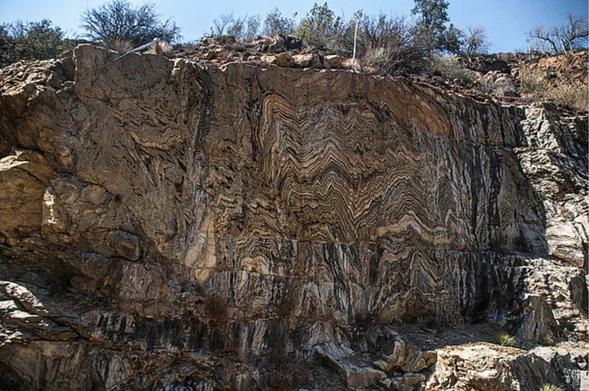
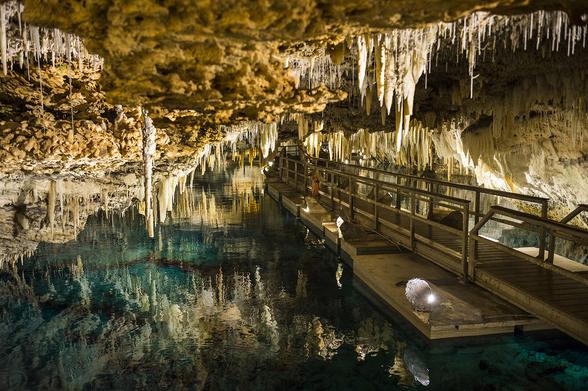
Little of the older rock remains, like islands drifting in a sea of granitic rocks so thoroughly were they dissected by erosion and glaciation. Sequoia and Kings Canyon National Parks (SKCNP) and vicinity still contains many of these rock “islands” that record this important geologic history, and are responsible for some of the most beautiful treasures within the parks; stunning metamorphic rock outcrops and formations, and crystal cave systems add to the beauty of the parks glaciated carved canyons, craggy cliffs and vistas, and of course, the mighty sequoia trees.
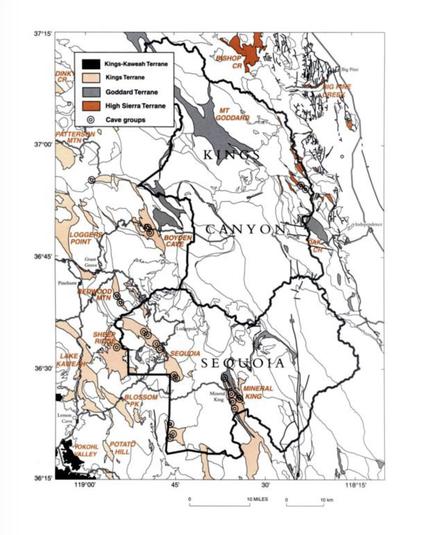
In the map below, the older accretionary belt rocks are grouped by “terranes” (fault-bounded tectonic fragment that have a distinct geology from other blocks of rocks around them). Four separate terranes have been recognized in SKCNP (refer to the map below from James G. Moore), and each carry a distinctive rock assemblage.
1. King-Keweah Terrane (spreading ridge and oceanic crust), includes ophiolite, gabbro, peridotite, serpentinite, pillow basalt, chert, slate, and volcanic rock
2. Kings Terrane (marine basin) schist, slate, quartzite, and marble. These rocks are so thoroughly recrystallized that few fossils remain, but fusilinids, graptolite, ammonites, and crinoids have been identified
3. Goddard Terrane (volcanic arc) metamorphosed volcanics, rhyolitic tuffs, accretionary lapilli, older granitic rocks, and basalt and andesite
4. High Sierra (continental margin) schist, marble, trace fossils and graptolites
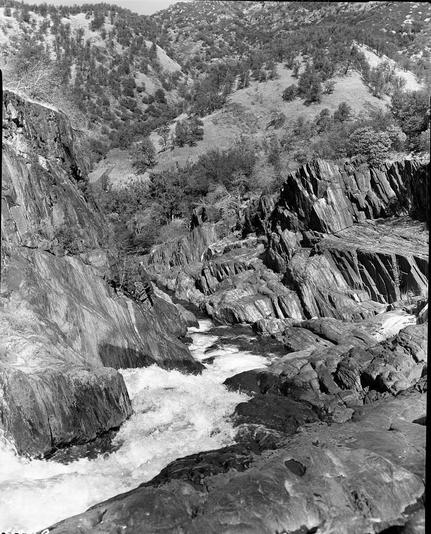
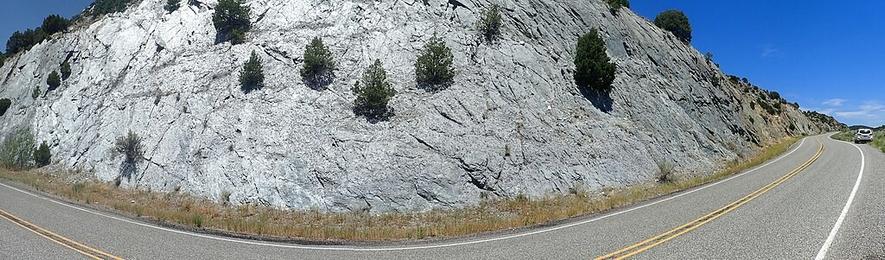
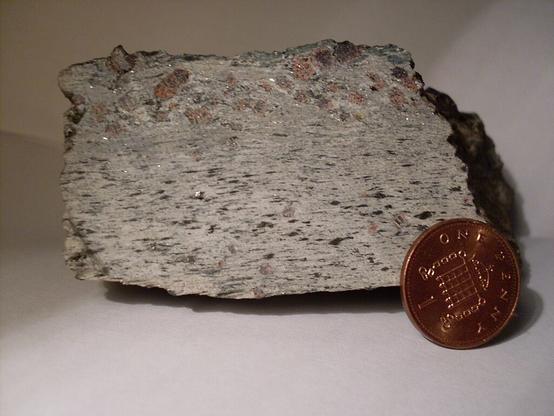
The terrane rocks are massively eroded, and the isolated fragments left are called “roof pendants,” or commonly just pendants, because they are “suspended” within, and surrounded by, the gigantic Sierra Nevada batholiths. Major roof pendants and cave systems are shown in the map below. There are also images below of major features in the park. Please read the ALT text for details.
#terranes #RoofPendants #MetamorphicRock #SequoiaAndKingsCanyonNationalParks #geology
Learn more here: https://www.nps.gov/seki/learn/nature/geology_overview.htm
 BC BY-NC-SA
 Vicky Veritas