 The Bad Place
The Atlantic | There Is Already a Word for the Deep Moral Failures of AI by Tyler Austin Harper
AI generated summary, Read the full article for complete information.
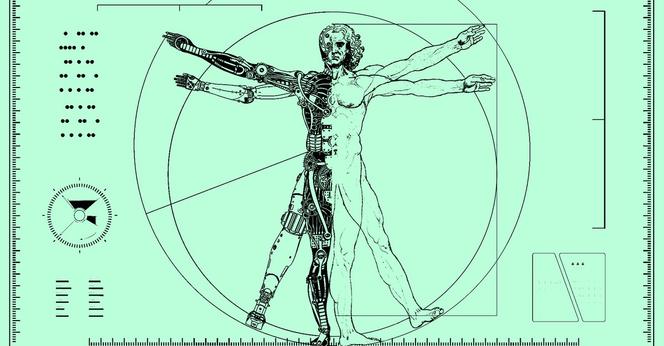
Tyler Austin Harper argues that the moral rupture caused by artificial intelligence is best captured by the word “sin,” a term traditionally reserved for deep moral failure and now apt for the dehumanizing practices of AI—from digital companions sold to the lonely to large‑scale exploitation of intellectual property. He highlights how Christian thinkers, including Pope Leo III’s new AI‑focused encyclical, frame the AI crisis as an anthropological one that threatens humanity’s essential nature, whereas most secular critiques focus on measurable harms such as environmental impact, bias, surveillance, and labor exploitation. Harper contends that without a clear, transcendent understanding of what makes us human—rooted in the idea that we are made in the image of a creator—policy‑level fixes cannot address the deeper existential threat AI poses, and that secular humanism’s lack of an equally profound grounding may leave it ill‑equipped to defend human dignity in the age of intelligent machines.
Read more: https://www.theatlantic.com/culture/2026/06/pope-leo-ai-christian/687388/?utm_source=feed
#IvanIllich #MagnificaHumanitas #Christianhumanism #artificialintelligence #ImagoDei #LeoIII
 lumpenproletariat