K2-18b: Spuren von Leben oder falscher Alarm? | Harald #Lesch | #TerraXLeschUndCo

Große Schlagzeile: Auf dem #Exoplaneten #K2_18b könnte #Leben existieren! Doch was steckt hinter der vermeintlichen Entdeckung von #Biosignaturen – also von Stoffen, die Hinweise auf mögliches Leben geben? Und warum ist die Fachwelt so skeptisch?
https://www.yewtu.be/watch?v=iwmQo102gpU

A new analysis weakens claims of life on the distant exoplanet K2-18b

  Astronomers using the James Webb Space Telescope made headlines last month when they announced that they had identified traces of the comp...

NewzTechOra
James Webb: Stärkster Hinweis auf außerirdische Aktivitäten entdeckt - Golem.de

Dabei handelt es sich um biologische Signaturen außerhalb des Sonnensystems. Das JWST hat sie auf dem Exoplaneten K2-18b aufgespürt.

Golem.de
atmosphere and biomarkers found by #JWST on #K2_18b

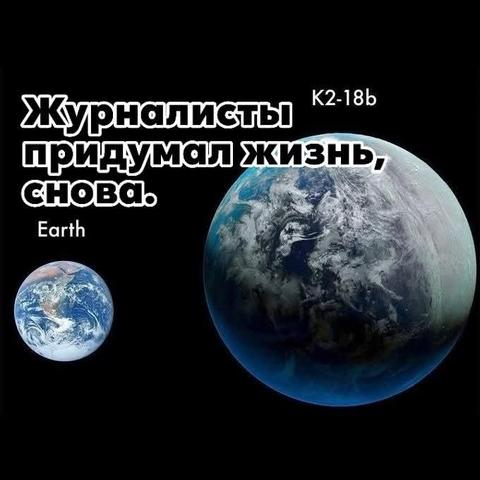
И снова журналисты придумали инопланетян.

А на самом деле — телескоп James Webb с вероятностью 99% обнаружил в атмосфере экзопланеты K2-18 b диметилсульфид. На Земле этот газ в основном производит фитопланктон, поэтому его считают возможным маркером жизни. Но это не доказывает, что на планете есть жизнь, и тем-более не означает, что там живёт фитопланктон... Это лишь говорит о высокой вероятности наличия самого газа. А вот происхождение его — вопрос открытый. Сейчас учёные проверяют, не закралась ли ошибка в спектральный анализ, и можно ли получить такой газ без участия живых организмов. ⬇️⬇️⬇️

#космос #k2_18b #k2-18b

NASA Explore The Universe | The James Webb Space Telescope (JWST) has made a historic discovery, detecting the molecule dimethyl sulfide (DMS) in the atmosphere of an Exoplanet | Facebook

The James Webb Space Telescope (JWST) has made a historic discovery, detecting the molecule dimethyl sulfide (DMS) in the atmosphere of an Exoplanet. This is a major breakthrough because, on Earth,...