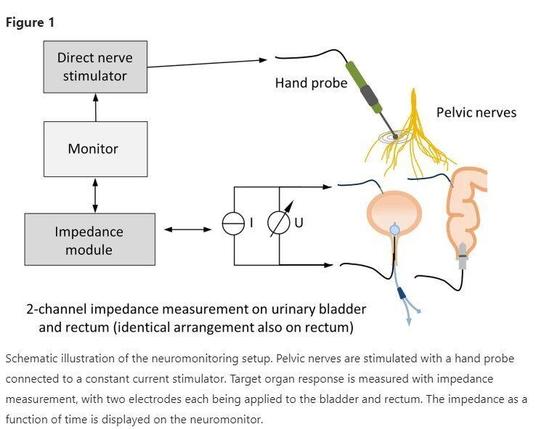
Urinary, fecal, or sexual disorders in robotic rectal surgery can occur with surgical injury of the pelvic nerves. Monitoring with tissue impedance measurements is a novel technology in the #IONM space.

It's monitoring the autonomic nerves through stimulation.

First off, where might this be beneficial? From the paper cited below:

"Pelvic neuromonitoring can be performed with known standard neuromonitoring methods such as transcranial motor evoked potentials (tcMEP) from the external urethral
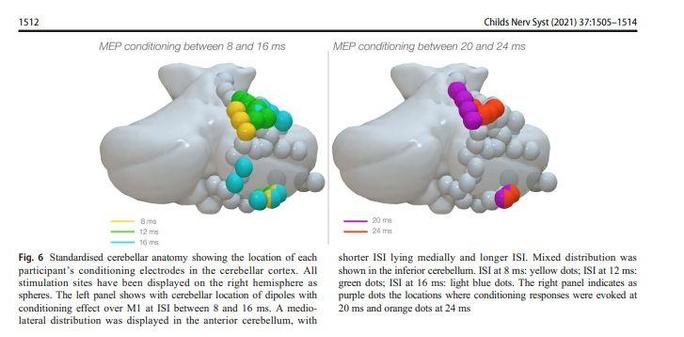
There's one area of the nervous system that's been underserved by the neuromonitoring community: the cerebellum. Here's what's new...

I actually just had a text conversation with a D.ABNM about this exact thing. So I went looking for answers.

It's in the early stages of understanding, but every #perdiatricsurgeon and #ionm clinician out there working in a pediatric center should be aware of what's progressing.

From the article:

"The inhibition exerted by conditioning stimuli at 8 ms on the m

[Intraoperative neurophysiology monitoring: #IONM] Aklamanu et al.: "In conclusion, this case highlights the transformative potential of IONM in spinal surgery within low-resource environments." Open access. https://doi.org/10.1016/j.cnp.2025.11.002

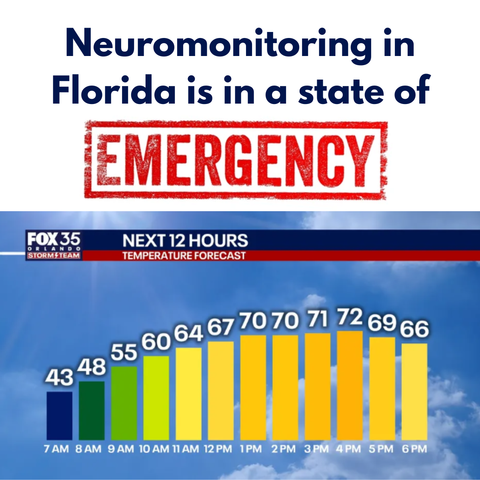
BREAKING: Fl weather has hit crisis levels; locals in shambles. Seeking northern #IONM talent capable of braving the harsh conditions.

#CNIM or not, if you can handle 40s at sunrise and low 70s by afternoon, let’s talk.

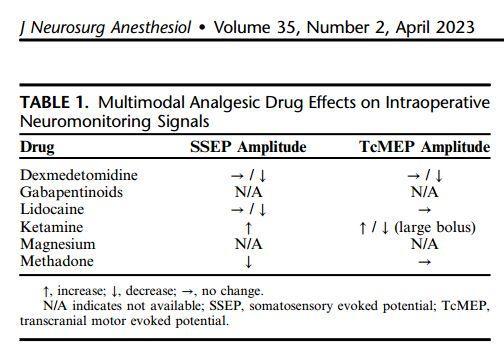
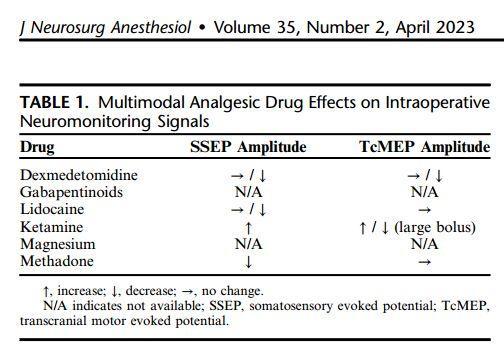
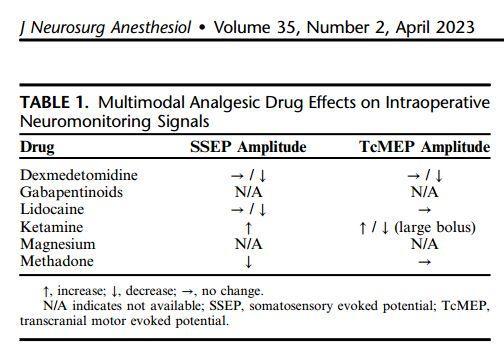
#IONM is an additional window into the art of anesthesia. The dose-dependent, relatively understood interactions in pt's w/ different pre-existing comorbidities don't lend to following an exact cookbook.

When new issues arise, either due to supply chain shortages or changing trends in response to a shift in the direction of medicine (opioid-sparing), the body of evidence supporting alternative protocols is limited.

This paper looks at the use of less studied drug effects on neuromonitoring sig

#IONM is an additional window into the art of anesthesia. The dose-dependent, relatively understood interactions in pt's w/ different pre-existing comorbidities don't lend to following an exact cookbook.

When new issues arise, either due to supply chain shortages or changing trends in response to a shift in the direction of medicine (opioid-sparing), the body of evidence supporting alternative protocols is limited.

This paper looks at the use of less studied drug effects on neuromonitoring sig

#IONM is an additional window into the art of anesthesia. The dose-dependent, relatively understood interactions in pt's w/ different pre-existing comorbidities don't lend to following an exact cookbook.

When new issues arise, either due to supply chain shortages or changing trends in response to a shift in the direction of medicine (opioid-sparing), the body of evidence supporting alternative protocols is limited.

This paper looks at the use of less studied drug effects on neuromonitoring sig

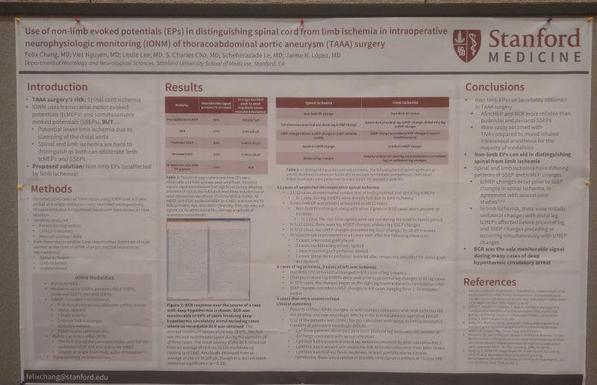
I thought this was a clever addition to traditional #ionm for TAAA surgery.

Using a non-limb modality (BCR, anal tcMEP, pudendal, and anal EP) the authors looked to better differentiate spine from limb ischemia.

A small sample size, but you can see the low rate of establishing BSL is improved when trying them all.

You get what you get, but better than nothing.

And talk about a great experience for newcomers to the field clinicians looking to learn different modalities.

#cnim #neuromonitorin

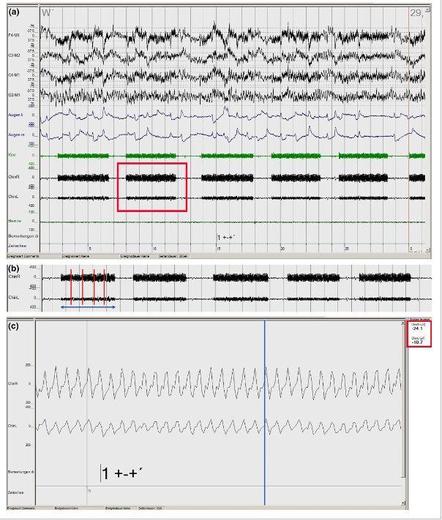
Selective hypoglossal nerve stimulation seems to be a great option in patients with obstructive sleep apnea. Maybe #IONM can take it further?

What might not be totally obvious, unless you're looking at it, is the rate of patients with bilateral innervation from the hypoglossal nerve.

Somewhere around 40%-50%.

What, if any, difference might this make?

On the upside, maybe bilateral tongue movement and bilateral tongue base opening could result in better outcomes?

Your breathing hole ends up

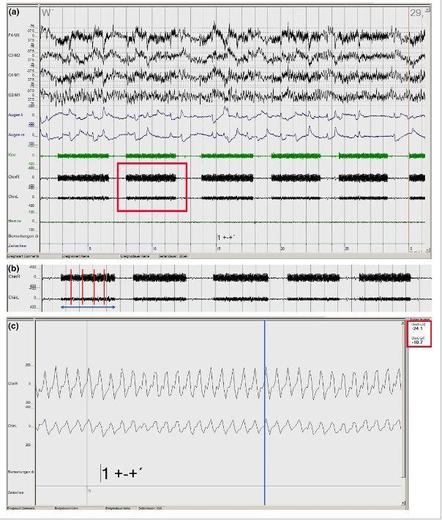
Selective hypoglossal nerve stimulation seems to be a great option in patients with obstructive sleep apnea. Maybe #IONM can take it further?

What might not be totally obvious, unless you're looking at it, is the rate of patients with bilateral innervation from the hypoglossal nerve.

Somewhere around 40%-50%.

What, if any, difference might this make?

On the upside, maybe bilateral tongue movement and bilateral tongue base opening could result in better outcomes?

Your breathing hole ends up