 VL/HCC
☀️ Morning moments from #VLHCC2025
Attendees checking in, opening remarks, and an exciting start to a full day of human-centric innovation!
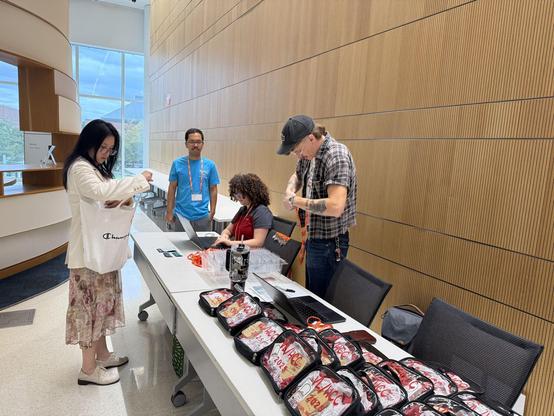
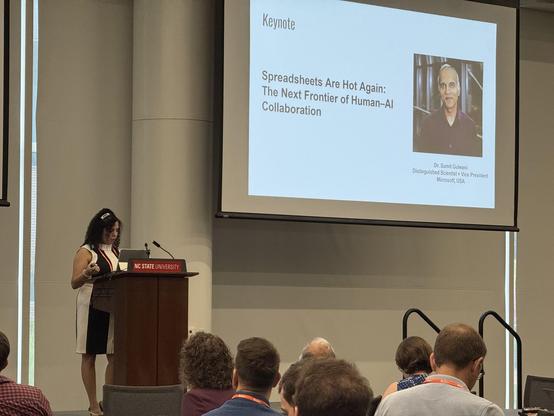
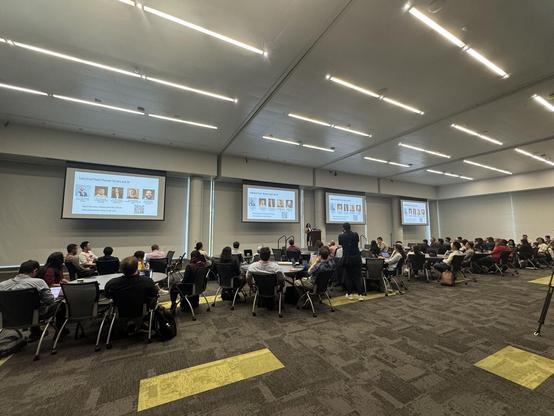
☀️ Morning moments from #VLHCC2025
Attendees checking in, opening remarks, and an exciting start to a full day of human-centric innovation!
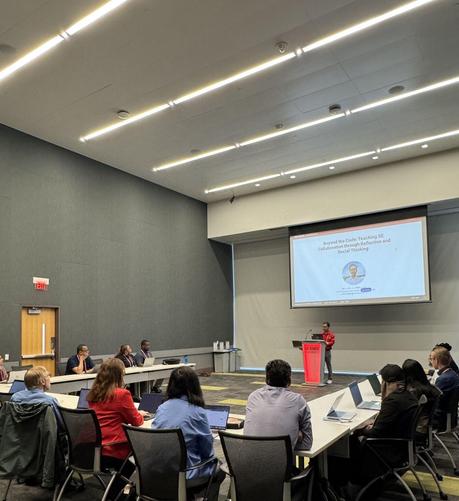
🎓 The #VLHCC2025 Graduate Consortium brought together early-career researchers and mentors for an inspiring day of discussion and feedback on emerging work in human-centric computing.
#IEEE #Research #HumanCenteredComputing #Innovation #NCSU #ConferenceWeek
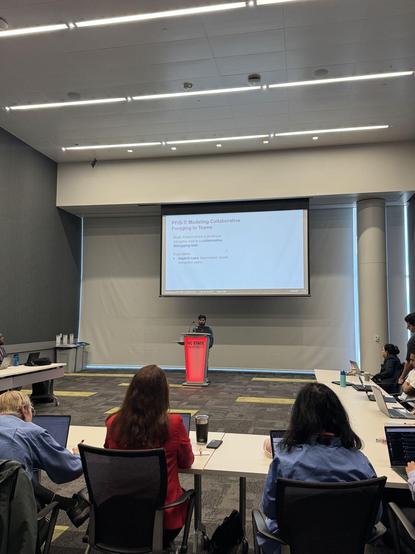
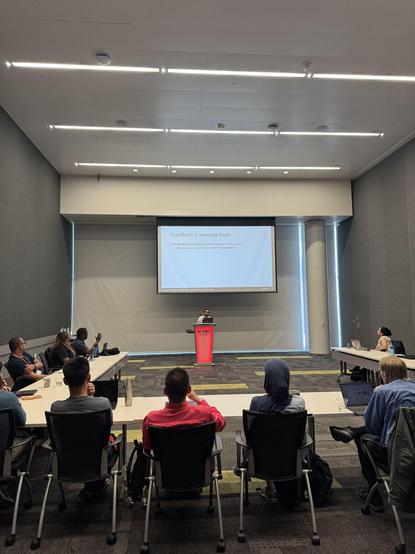
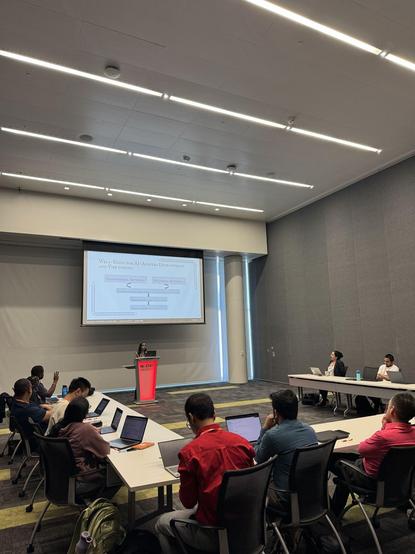
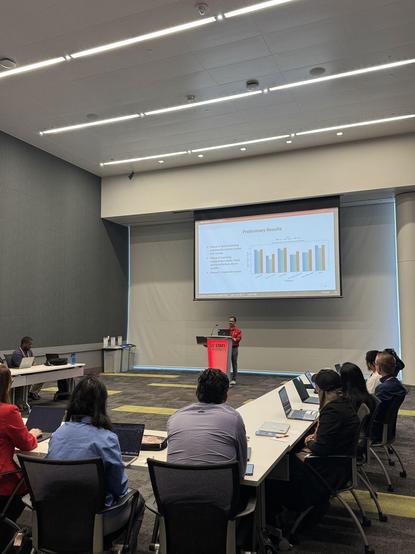
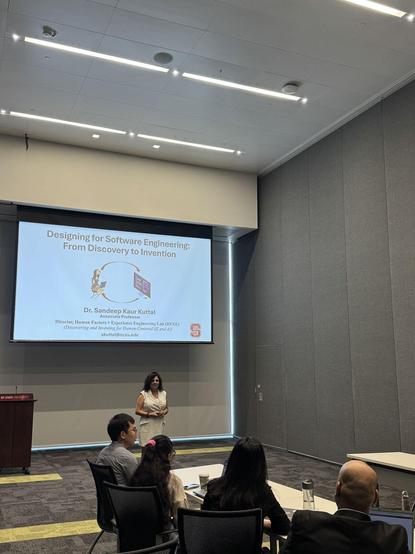
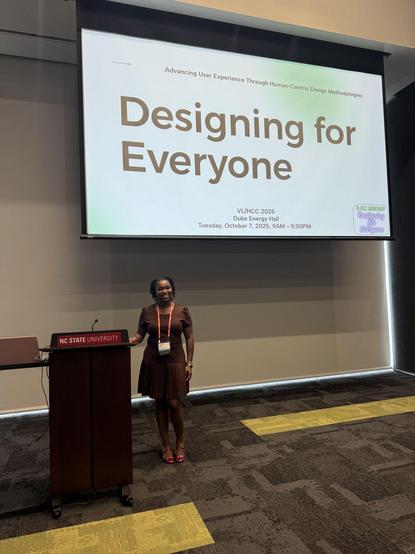
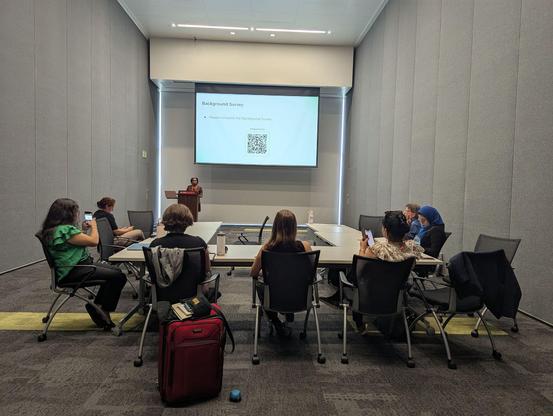
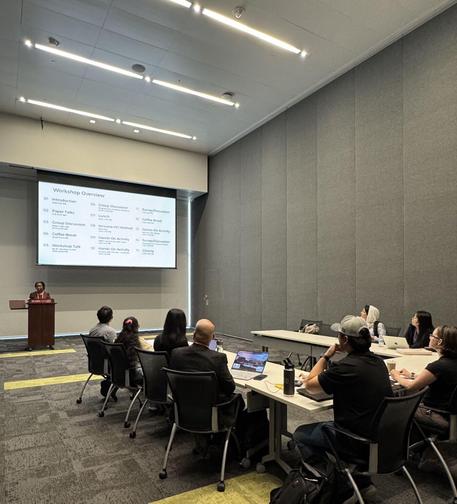
🧩 Highlights from today’s #VLHCC2025 Workshop: “Designing for Everyone: Advancing User Experience Through Human-Centric Design Methodologies.”
Led by Dr. Sandeep Kuttal and Shandler Mason, the session explored inclusive design practices and reflective approaches to UX and human-centric research.
#IEEE #HumanCenteredComputing #Research #NCSU #ConferenceWeek
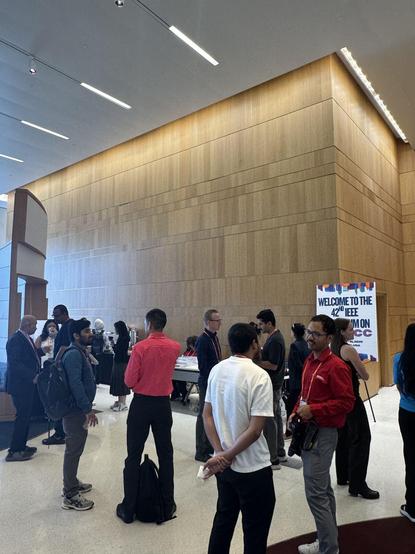
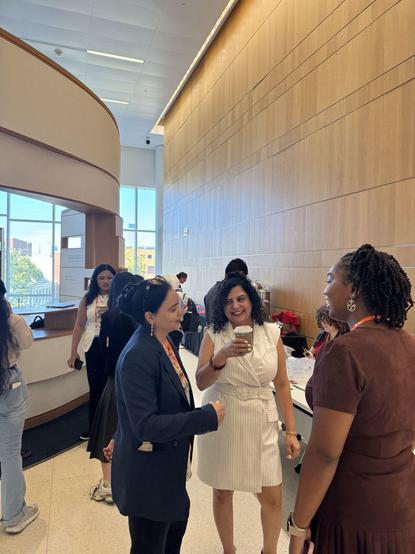
☕ Great conversations brewing at the morning coffee break here at #VLHCC2025!
Researchers and practitioners are connecting over ideas, collaboration, and human-centered innovation at NC State’s Hunt Library.
#IEEE #HumanCenteredComputing #Research #Innovation #NCSU #ConferenceWeek

It’s Day 1 of #VLHCC2025!
Workshops and the Graduate Consortium are in full swing at NC State’s Hunt Library — a great start to a week of human-centered innovation.
💫 Welcome to Raleigh!
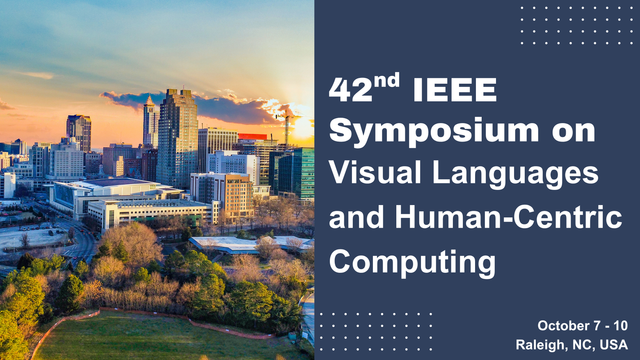
We’re so excited to welcome attendees to #VLHCC2025, the 42nd IEEE Symposium on Visual Languages and Human-Centric Computing, hosted at North Carolina State University.
Get ready for a week of workshops, keynotes, research papers, and community events celebrating human-centered innovation.
📍 James B. Hunt Jr. Library | October 7–10
#IEEE #Research #HumanCenteredComputing #NCSU #ConferenceWeek

The vast majority of discourse around AI development assumes that subservient, "moral" models aligned with "human values" are universally beneficial -- in short, that good AI is sycophantic AI. We explore the shadow of the sycophantic paradigm, a design space we term antagonistic AI: AI systems that are disagreeable, rude, interrupting, confrontational, challenging, etc. -- embedding opposite behaviors or values. Far from being "bad" or "immoral," we consider whether antagonistic AI systems may sometimes have benefits to users, such as forcing users to confront their assumptions, build resilience, or develop healthier relational boundaries. Drawing from formative explorations and a speculative design workshop where participants designed fictional AI technologies that employ antagonism, we lay out a design space for antagonistic AI, articulating potential benefits, design techniques, and methods of embedding antagonistic elements into user experience. Finally, we discuss the many ethical challenges of this space and identify three dimensions for the responsible design of antagonistic AI -- consent, context, and framing.
Welp while I'm still around with #CHI2023... I'm looking for a Summer 2023 internship related to social computing, HCI + marginalized communities, or critical computing
If you know of anything, please let me know!
#HCI #HumanCenteredComputing #HumanComputerInteraction #CSCW
 Nicole Hennig
 Ganesh Kumar