 Haver
HaverI love class definitions using the module system #Haver provides.
Enter the definition shown in the first picture, with proper settings your class will be bound in a module, as shown in the second picture.
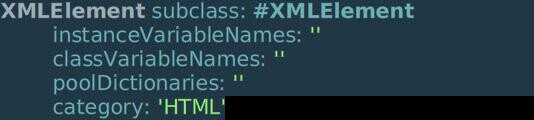
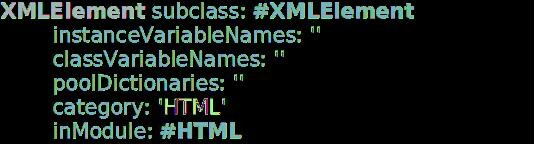
I love class definitions using the module system #Haver provides.
Enter the definition shown in the first picture, with proper settings your class will be bound in a module, as shown in the second picture.
I just added experimental support for converting ASCII-art character pictures to Unicode code points to #Haver.
Every input starting with "\." and followed by a recognized picture is replaced by a corresponding Unicode code point (or, more exactly, its glyph).
#Haver now has persistent work spaces which persist the source code and the bound variables.
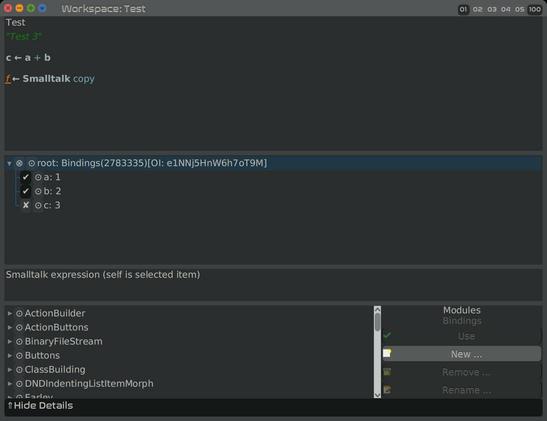
Now I have a nice title ToDo-list application for #Haver.
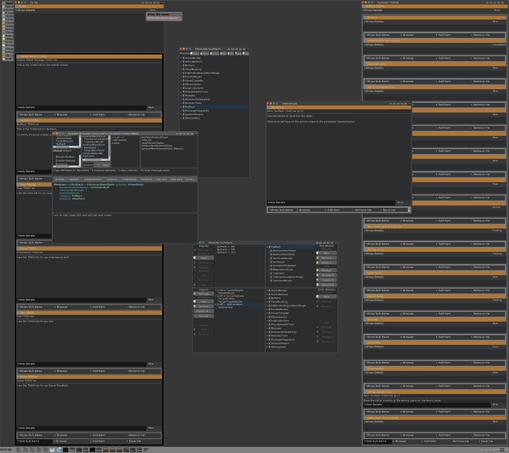
@krono pointed me to #Squeak's WrappedBreakpoint class, which I ported to Cuis and posted on the mailing list for review.
See: https://lists.cuis.st/mailman/archives/cuis-dev/2023-April/007319.html
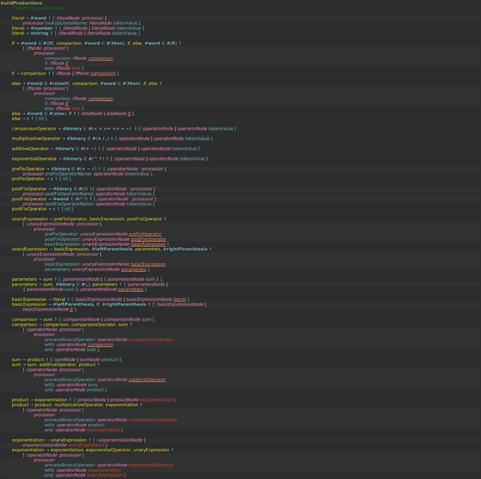
Now we can evaluate nice looking expressions, like this one √(-4²) with our #Earley parser.
Semantic actions make the grammar considerably longer, but we can still make good use of Unicode arrows (⇑) provided #Cuis' Unicode handling.