VTC News Bot
Khoa học, công nghệ và đổi mới sáng tạo được Đảng lần thứ XIV khẳng định là động lực trung tâm cho mô hình tăng trưởng mới, giúp nâng tầm vị thế Việt Nam trong kỷ nguyên mới. #KhoaHoc #CôngNghệ #ĐổiMớiSángTạo #Vietnam #Innovation #ScienceTech #GrowthModel #ViệtNam #KỷNguyênMới

Việt Nam đang đối mặt với nguy cơ mắc kẹt trong bẫy thu nhập trung bình do cơ cấu tăng trưởng lạc hậu và các điểm nghẽn thể chế, công nghệ kéo dài. Các chuyên gia khuyến nghị cần khẩn trương đổi mới mô hình tăng trưởng, tập trung vào đột phá về thể chế, đổi mới sáng tạo và nâng cao năng suất lao động để thoát bẫy và phát triển bền vững.
#Vietnam #GrowthModel #MiddleIncomeTrap #KinhTe #PhatTrien #TheChe #CongNghe #Productivity
#Việt_Nam #Mô_Hình_Tăng_Trưởng #Bẫy_Thu_Nhập_Trung_Bình #Kinh_Tế
Thủ tướng Phạm Minh Chính đặt kỳ vọng Thanh Hóa sẽ trở thành tỉnh kiểu mẫu của cả nước, một trong những động lực tăng trưởng quan trọng, thực hiện theo di nguyện của Chủ tịch Hồ Chí Minh. #ThanhHoa #VietnamDevelopment #KieuMau #PhamMinhChinh #GrowthModel #TăngTrưởng #TỉnhKiểuMẫu
https://vtcnews.vn/thu-tuong-xay-dung-thanh-hoa-la-tinh-kieu-mau-cua-ca-nuoc-ar971254.html

 Marta Kvande
@quinnanya yes! I love the kindess of the impulse behind saying it’s not a failure, but I also think we need to normalize failing as a way we learn! #GrowthModel
 My Hours
The 5-stage #business #GrowthModel is a great way to conceptualize company's growth. 📈
Accurate #timetracking data greatly helps to facilitate development at every stage, by providing a means of planning and monitoring, as well as early warnings on any external threats.
https://myhours.com/time-tracking-library/time-tracking-business-growth-stages
 petapixel (unofficial)
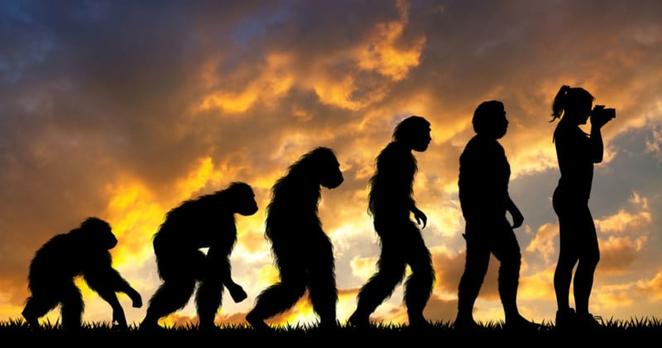
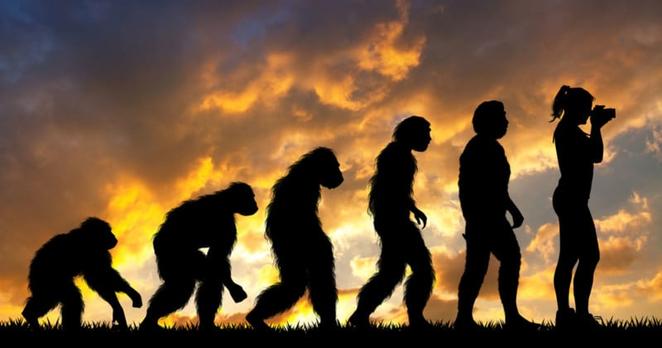
The Evolution of the Pro Photographer Through Phases and Crises
The professional growth of a photographer, and therefore the maturity of his or her projects, passes through several phases. Different phases require different skills from the photographer. In each phase the work and the goal of photography change, the maturity of his or her work grows.
Borrowing ideas from Greiner's growth model (good designers copy, great designers steal), I came up with a model for the evolution of the commercial photographer. Just like Greiner's famous model, my model has different phases. It also has crisis moments marking the transition from one phase to the next. And I want to say right away that this is a rather subjective model, and I'm sure it's different for everyone.
Phase 1: Creators
The foundation of photography is creating beautiful images. This is a fundamental skill of any photographer. It's what is taught in art school. That's why photographers become photographers, to create beauty. It's what makes photography appealing. It's what most people imagine when they think of photography.
The creator uses classic tools and possesses aesthetic skills: color grading, rhythm, form. Further professional growth depends on learning and mastering to create more beautiful things.
Crisis 1: Scale
The first moment of crisis comes when the photographer succeeds. The better the photography gets, the more photo projects he or she can work on. The photographer needs to collaborate with more people and create projects on a larger scale. It requires tools that help to create more complex photography.
This is quite an obstacle for a creator who was taught in art school to work solo on a single project and who has mastered the craft to perfection.
Phase 2: Art Directors
When photographers overcome the obstacles of collaboration and systems thinking, they become art directors. They now work with larger teams of stylists, agencies, and even approach retouching and color grading differently. Further growth will ensure better collaboration and sharpened systems thinking.
Crisis 2: Co-creation
An art director works with stylists, brands, location scouts, magazines, editors, etc. He or she develops beautiful and on-trend projects. Now the final picture has more impact because the scale is bigger. But sometimes the team does their work not according to the assignment, but in the way they want or know how to do it. And that's where the problems come in…
If the team wants more impact, the next hurdle they have to overcome is establishing the perfect point of interaction. The photographer (AKA art director) needs to become a problem solver, not a picture maker. For the photographer to allow others to participate in his or her process is a big leap.
Phase 3: Connectors
If the photographer can connect to all stakeholders and develop organizational skills, he or she can create much bigger solutions. To establish a dialogue, the photographer must understand the language of the business.
Crisis 3: Crisis of Complexity
Even if you've worked it all out, put ideas together in powerful mood boards, you're faced with the fact that the reality of your idea is too complex to implement. Creating large-scale projects takes a lot of time and money, and in our complex world doesn't bring enough value. Either the world has changed since TikTok, or it turns out you've drifted far into creativity. To solve this problem, the photographer must become a researcher, or better yet, a scientist. Scared?
Phase 4: Scientists
Scientists are able to build, measure, and learn, apply their unique perspective, mindset, and skillset to lift projects to a higher level. Such a hybrid approach of the artistic, combined with analytical thinking, allows them to create even more valuable projects. Visual thinking, ability to create concrete things, creativity, courage, and ability to see connections all contribute to the quality and success of the projects. They no longer do tasks, they create them. Take a look at Nick Knight's photography projects, for example.
And that's when they discover their superpowers, they want more. They want maximum influence: to lead people according to their visions.
Crisis 4: Leadership Crisis
And now the photographer faces the final crisis. It needs to raise his or her leadership status. When the photographer was an art director, he or she was already leading a team. But now the playing field has changed. It is no longer just influencing a team, it is about influencing entire organizations.
It's not just about learning how to communicate properly like when it was at the “connectors” phase. It's a step up. It requires understanding how modern designers, brands and entire industries think and work. To break the rules, you have to learn them first.
There is a growing need in business for a new type of leadership based on imagination. A powerful image can be a tremendous force for change.
About the author : Dmitry Ostrovsky (@ostrovsky) is a photographer and editor of the independent editorial board EDITTS (@editts.class), which is the most useful and beautiful blog about contemporary photography on Instagram in Russia and the CIS. The opinions expressed in this article are solely those of the author.
Image credits: Header photo licensed from Depositphotos
#educational #inspiration #dmitryostrovsky #evolution #growth #growthmodel #phases #professional