
How Neanderthal Genes Influence Today’s Sensitivity

Peter Dazeley//Getty Images Some people flinch at a needle prick faster than others. One possible reason, at least in a very specific experimental setting, may be old very old DNA. In a 2023 paper published in Communications Biology, researchers linked three Neanderthal-derived variants in the gene SCN9A to a lower threshold for one kind of pain test in modern humans: a skin-pricking test performed after the area had been sensitized with mustard oil.......Continue reading.... By: Tim […]

https://onlinemarketingscoops.com/2026/06/09/how-neanderthal-genes-influence-todays-sensitivity/
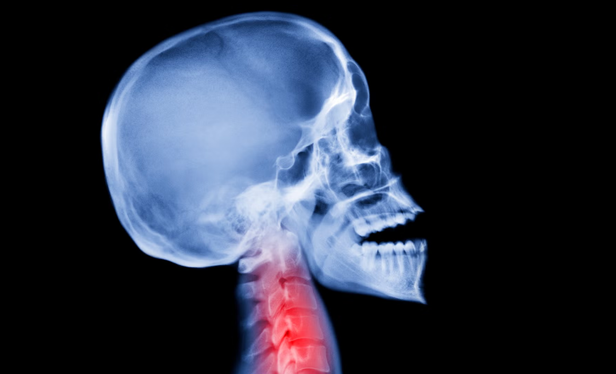
How Neanderthal Genes Influence Today’s Sensitivity

Peter Dazeley//Getty Images Some people flinch at a needle prick faster than others. One possible reason, at least in a very specific experimental setting, may be old very old DNA. In a 2023 paper …

Online Marketing Scoops

🚀 𝐓𝐡𝐞 𝐀𝐮𝐬𝐭𝐫𝐢𝐚𝐧 𝐆𝐞𝐧𝐨𝐦𝐞 𝐏𝐫𝐨𝐣𝐞𝐜𝐭 𝐢𝐬 𝐚𝐭 𝐭𝐡𝐞 European Society of Human Genetics Conference 𝐢𝐧 𝐌𝐢𝐥𝐚𝐧!

Before that, data infrastructure coord Vincent Beliveau (on the picture below) & ELSI coord Michaela Th. Mayrhofer were at the #GenomeOfEurope Consortium Meeting.

Our goal? Build a shared pan-European reference database that will accelerate breakthroughs in genomic medicine & transform healthcare across the continent.

#HumangenomAustria #GenomicResearch #PrecisionMedicine #eshg2025

Ethical Perspectives of Therapeutic Human Genome Editing From Multiple and Diverse Viewpoints: A Scoping Review

Human genome editing has been increasingly explored to determine if it can be used to eradicate genetic diseases like sickle cell disease, but it has also been surrounded by a wide variety of ethical dilemmas. The purpose of this review was to conduct a scoping review of the ethics of therapeutic human genome editing in terms of philosophy, theology, public perspectives, and research ethics. A systemized search of PubMed, Embase, Ovid MEDLINE, and Web of Science was conducted. The initial search resulted in 4,445 articles, and after removing 1,750 duplicates and screening the remaining 2,695 articles, 27 final articles were selected for the final analysis. From a philosophical and theological standpoint, therapeutic human genome editing was generally ethically acceptable. Worldwide public perspectives were also in agreement except for the Oceanic region, which disagreed mainly due to the possible effects on future generations. Lastly, human research ethics revealed that women were not always included in informed consent, and that child autonomy needs to be preserved. Further research is needed to determine adverse effects on the mother, fetus, and future generations.

CU professor draws on indigenous roots in approach to research and mentoring

#ResearchEthics #GenomicResearch #IndigenousResearch

https://www.eurekalert.org/news-releases/971989

CU professor draws on indigenous roots in approach to research and mentoring

Katrina Claw is Diné, which means “the People” in her native tongue, and an enrolled member of the Navajo Nation, bringing an important perspective to her work as a genetic researcher. Her career choice is something of a paradox; the Navajo Nation placed a moratorium on Tribal participation in genetic research studies in 2002, partly over concerns about research ethics and exploitation. Claw leads an all-female research lab, many of whom are of Indigenous heritage. She specializes in personalized medicine and pharmacogenetics, which focuses on how a person’s genes affect the way they respond to drugs. She looks for trainees whose research interests align with her community-engaged approach. She’s also eager to recruit those who would benefit from the mentoring that she struggled to find as an aspiring young scientist growing up on the Navajo Nation.

EurekAlert!

Core elements of participant consent documents for Canadian human genomics research and the National Human Genome Library: guidance for policy

https://www.cmaj.ca/content/194/44/E1500

#ResearchEthics #GenomicResearch

Core elements of participant consent documents for Canadian human genomics research and the National Human Genome Library: guidance for policy

[See related article at www.cmaj.ca/lookup/doi/10.1503/cmaj.221500][1] KEY POINTS Human genomics — the study of the entirety of a person’s or population’s genes — is increasingly being integrated into research and rapidly incorporated into clinical care, including into health records.[1][2

CMAJ