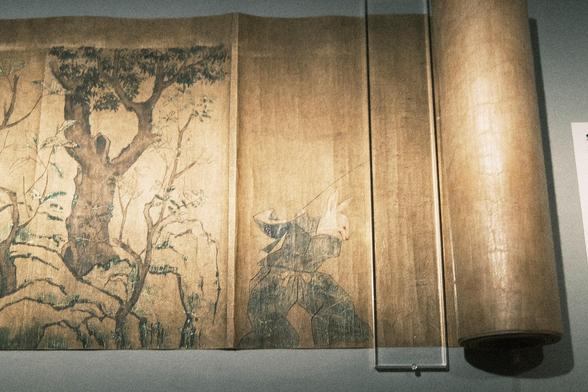
Weekend Stories
The tradition of #kakemono and #emakimono is closely related to other forms of #JapaneseArt 🎌, such as #byōbu. Byōbu are folding screens 🖼️ that feature painted scenes, often with narrative elements. This art form create a rich visual narrative expression in Japanese culture, reflecting the interconnectedness of art, literature, and daily life. Here are a few shots of examples of byōbu that I was able to collect during my recent visits to museums:
🌍 https://www.fabriziomusacchio.com/weekend_stories/told/2024-08-02-byobu/
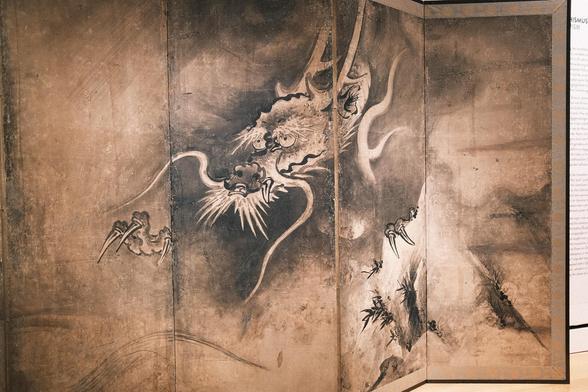

Byōbu – The art of Japanese folding screens
The tradition of kakemono and emakimono is closely related to other forms of Japanese narrative art, such as byōbu (屏風) and fusuma (襖). Byōbu are folding screens that feature painted scenes, often with narrative elements, while fusuma are sliding doors that can be decorated with paintings or calligraphy. Together, these art forms create a rich visual narrative expression in Japanese culture, reflecting the interconnectedness of art, literature, and daily life. Here are some shots of the most remarkable examples of byōbu that I was able to collect during my recent visits to various museums and exhibitions.