 Technische Universität München
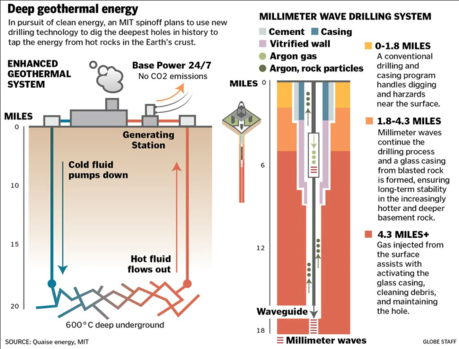
Researchers presented an assessment that #DeepGeothermal energy in southern Bavaria could meet as much as 40% of the Bavarian #heating demand: http://go.tum.de/254008
#sustainability #renewableenergy
📷Geothermie-Allianz Bayern

Mathematically speaking, geothermal energy could meet 40 percent of Bavaria's heating needs
Researchers at the Technical University of Munich (TUM) see major potential for the expansion of deep geothermal energy in Bavaria. In its Geothermal Energy Master Plan analysis the research group Geothermal-Alliance Bavaria looks at possibilities for providing geologically disadvantaged regions in the State of Bavaria with sustainable district heating using long-distance heat transport. This is the first time that the technical potential of the hydrothermal geothermal energy in southern Bavaria has been analyzed. The study was commissioned by the Bavarian Ministry of Economic Affairs, Regional Development and Energy, which recently published the report.
 Pete
Pete