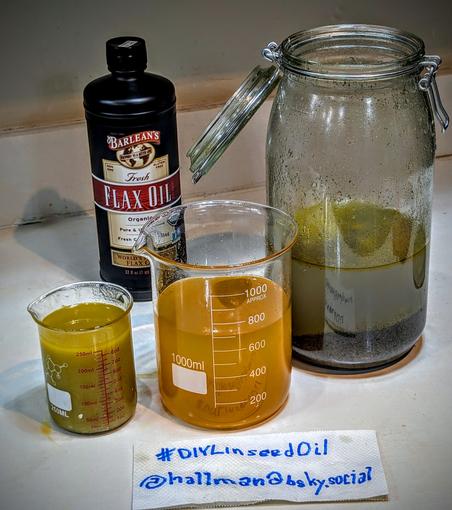
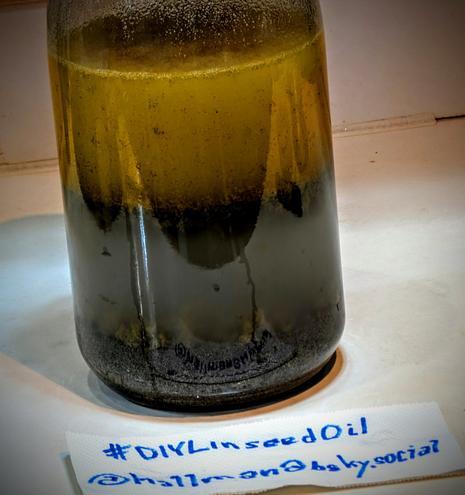
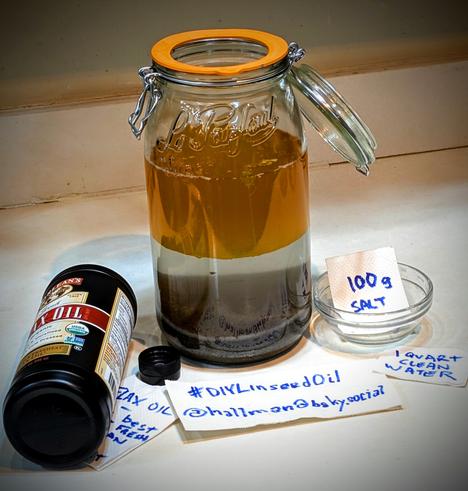
Finished with 720ml of linseed oil and 270ml of fat/mucilage. (About 50ml lost due to spillage.) About 10ml of dubious quality linseed oil is floating on top of the waste jar, which I will discard rather than trying to salvage it. #DIYLinseedOil 🧵14/
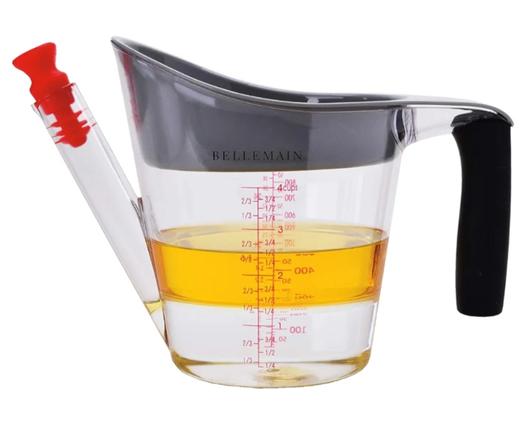
And thinking outside the box: While a turkey baster / decanting method does work, I'm thinking that with my next batch I will try using an oil/fat separator cup device because I'm guessing that it likely would work more easily. #DIYLinseedOil 🧵13/
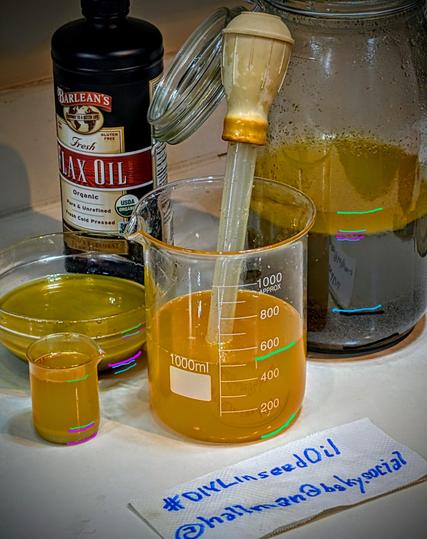
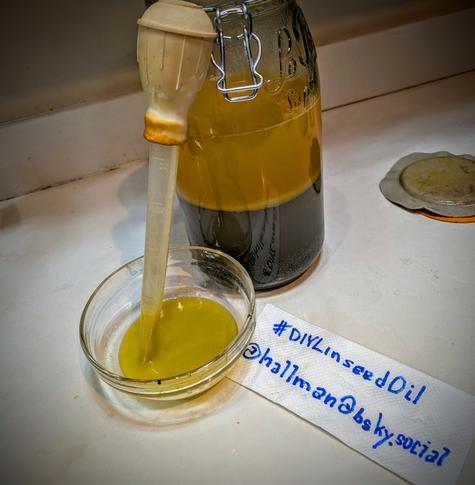
After six washes the linseed oil is separated from the fat/mucilage. Using a turkey baster and decanting between containers it's possible to isolate the pure linseed oil. I've marked the lines in color, green is pure linseed oil, fuchsia is fat/mucilage. #DIYLinseedOil 🧵12/
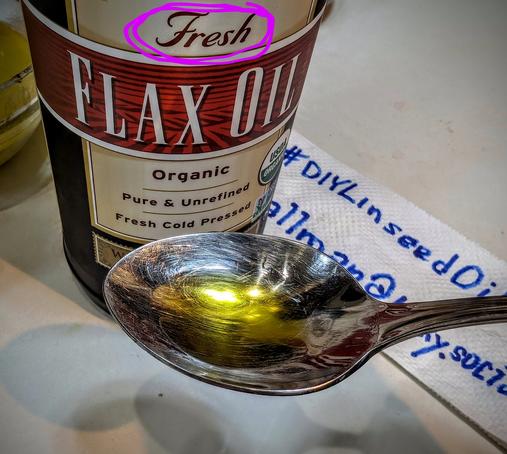
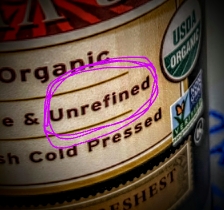
You really want 'fresh' Flax Seed Oil. Check the date on the bottle. The store should be storing their Flax Seed Oil in the refrigerator. It should taste fresh. Bitter sweet, tasting like freshly cut grass. Not rancid. #DIYLinseedOil 🧵10/
It's a little tedious (and there might be a better way to do it which I haven't figured out yet), but it now becomes possible to suck out the fat and mucilage which is hanging out below the clean linseed oil. Next: Repeat until no more fat and mucilage remain. #DIYLinseedOil 🧵 8/
The unrefined flax oil needs to be refined.
Flax Seed Oil contains: Oil, fat and gunk.
The 'fat' is Omega-3 fatty acids, healthy to eat but bad for paint.
The 'gunk' is called mucilage.
The linseed 'oil' needs to be refined to be made clean.
#DIYLinseedOil a thread 4/
 Bruce Hallman