
“All the cities of the world are going to expand. We need to have a better understanding of what makes good urban habitat for home sapiens.”*…

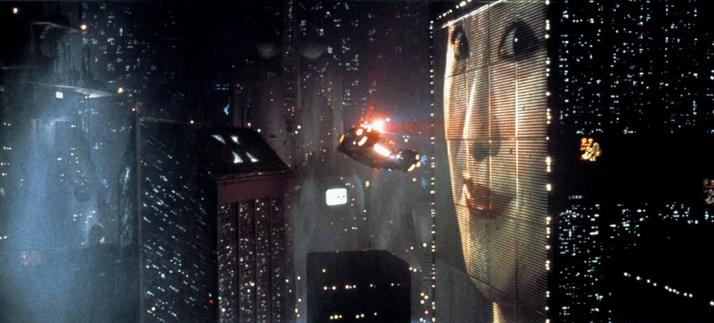
The futuristic city in Bladerunner (source)

“When did our vision of the future become so constrained, tired, and even dystopic?” Julien Crockett talks with Bruno Carvalho, the author of The Invention of the Future: A History of Cities in the Modern World, about the history of city planning and how urban design intertwines with a society’s prognostications and projections…

Cities have long been places of possibility—places where it seemed that we could break from the past and create an entirely new future. As Bruno Carvalho observes in his new book, The Invention of the Future: A History of Cities in the Modern World, this mindset is a key feature of what it means to be “modern”—a sensibility toward the present and the future as it relates to the past.

Yet, as Carvalho’s wide-ranging history details, a break from the past does not assume a positive vision of the future. In fact, Carvalho begins his book with the question “Where did the future go?”—the title of a debate between the venture capitalist Peter Thiel and anthropologist David Graeber. Both imagine that the only cities of tomorrow are on Mars. When did our vision of the future become so constrained, tired, and even dystopic?

Carvalho’s book returns to a recurring paradox we have faced since the Enlightenment: the better our capacity for creation and prediction, the more limited our ability to imagine a new future. He marvels, though, that “we know some of what is coming: urbanization and climate change, life and death. Between all that, there is a lot of space for reinvention.”

In our conversation, we look to the past to help us think through what reinvention might look like and discuss what it means to plan for a radically different future. We also discuss the legacies of Silicon Valley, the construction of New York City, urban futures moving from the West across the Pacific, and whether Carvalho is optimistic about what’s to come…

Eminently worth reading and pondering: “Where Did the Future Go?” from @lareviewofbooks.bsky.social.

Jan Gehl

###

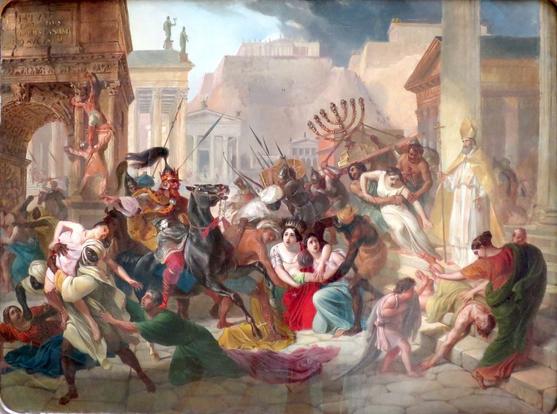
As we undertake to understand the urban, we might recall that it was on this date in 455 that the Vandals entered Rome, which they plundered for the next two weeks.  It was, as sackings went (this was Rome’s third, of four altogether), relatively “light”:  while the Vandals (who had destroyed all of Rome’s aqueducts on their approach) looted Roman treasure and sold many Romans into slavery, their leader Genseric acceded to the pleas of Pope Leo that the Vandals refrain from the wholesale slaughter of Rome’s population and the destruction of the Eternal City’s historic buildings.

Genserich’s Invasion of Rome, by Karl Bryullov (source) #ancientHistory #BrunoCarvalho #cities #city #cityPlanning #culture #future #Genseric #history #Rome #SackOfRome #society #urbanDesign #urbanPlanning #Vandals
A TV Brasil estreia o seriado de dramaturgia Centro Liberdade na programação a partir desta sexta-feira, 19 de julho, com episódios semanais às 23h. Inédita na telinha, a trama gaúcha acompanha as polêmicas envolvidas no possível fechamento de um centro comunitário na capital Porto Alegre. O conteúdo independente foi realizado por meio do edital do Programa de Apoio ao Desenvolvimento do Audiovisual Brasileiro (Prodav) TVs Públicas.

Com 10 capítulos, a produção mostra como a rotina de um bairro humilde da periferia é afetada pela ameaça de término das atividades do centro comunitário. A obra de ficção tem como protagonistas do elenco os atores Kaya Rodrigues, que vive a jovem assistente social Gabriela, e Rafa Sieg, no papel do burocrata Rodrigo.

Conflitos sociais na periferia urbana

O término das atividades no espaço vai prejudicar os moradores da Vila Liberdade que utilizam serviços essenciais, como farmácia popular e creche para as crianças. Essas pessoas vão precisar se deslocar para outro centro comunitário bem distante de onde vivem.

A série parte dessa premissa e adquire contornos dramáticos ao revelar as relações de poder nas periferias urbanas brasileiras. A história discute como política, religião, forças policiais e tráfico se enfrentam no cotidiano em que, às vezes, pouco se importam com os legítimos interesses da população.

A produção destaca como a situação tensa não impede que os personagens mantenham seus sonhos e amores ainda que encarem dilemas em um cenário repleto de violência e corrupção. A atração dramatúrgica retrata os conflitos sociais sem ignorar a perspectiva humana daqueles que lutam para sobreviver e almejam um futuro melhor mesmo diante das injustiças e desesperanças.

Jovem de origem humilde recém-formada em Serviços Social, Gabriela é contratada de forma temporária para ajudar na transferência do Centro Liberdade para um novo endereço. Responsável pelo gerenciamento de três centros comunitários da região, Ricardo exige que a moça realize a mudança o mais rápido possível, sem traumas que possam afetar a sua imagem ou a do prefeito.

Ao se envolver com o cotidiano das pessoas da comunidade, a idealista Gabriela reconhece os desafios da realidade periférica e toma a decisão de ir contra a orientação do chefe. Ela se engaja na causa dos moradores e inicia um movimento para manter o centro comunitário do bairro no seu devido lugar.

Valorização do conteúdo independente

A série Centro Liberdade traz para a programação da TV Brasil uma obra independente de dramaturgia com o sotaque gaúcho. As locações do seriado incluíram os bairros Bom Jesus, Cruzeiro do Sul e Partenon, além de outros locais de Porto Alegre. A caracterização do figurino também se baseia no vestuário local. No ar às sextas, às 23h, a produção tem horário alternativo na telinha durante a madrugada, às 3h. O seriado tem classificação indicativa de 16 anos.

Escrita e dirigida por Bruno Carvalho, Cleverton Borges e Livia Ruas, a trama ficcional desenvolvida pela Prana Filmes é um dos conteúdos audiovisuais selecionados pela linha de fomento do Fundo Setorial do Audiovisual (FSA), através do Prodav TVs Públicas. O seriado foi filmado em 2021 no Rio Grande do Sul.

https://mauricioaraya.com/2024/07/18/tv-brasil-estreia-serie-de-dramaturgia-centro-liberdade/

#BrunoCarvalho #CentroLiberdade #ClevertonBorges #LiviaRuas #TVBrasil

TV Brasil estreia série de dramaturgia ‘Centro Liberdade’

Obra independente de ficção foi produzida por meio do edital do Prodav TVs Públicas.

mauricioaraya.com