 wiKonsult par Yves Bertin
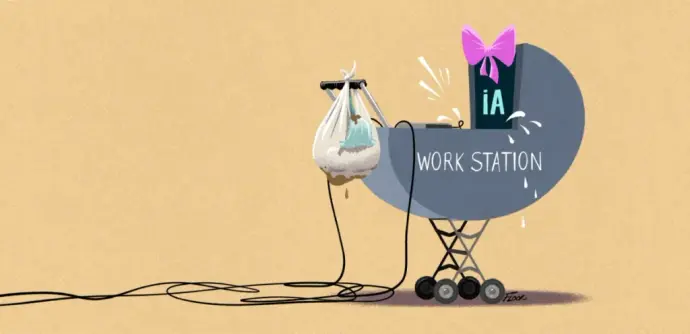
ceux qui se servent d' #IA au travail en dressent un profil nuancé. 75 % en tirent des gains de productivité, à titre individuel, mais seuls 13 % estiment que leur entreprise en profite également. Le temps passé au contact des modèles est par ailleurs consacré aux deux tiers à baby-sitter l’IA, contre 36 % à s’en servir réellement.https://next.ink/242659/botsitting-botshitting-quand-lia-au-travail-cree-plus-de-travail-quelle-nen-supprime/ #NEXT #Botsitting #BotShit
 Hans-Christoph Steiner
In my minimal experience coding with #AI, it is clear to me that #botsitting work is really draining. There are so many other boring things I'd rather be doing, and they don't take much of my energy. So there does seem to be some small #productivity gains from using AI, it would end up making my quality of life worse. So I'll happily stick to getting in the zone, and just rolling with the boilerplate, refactoring chores, etc. until I see these tools make me happier
https://www.glean.com/work-ai-institute/reports/work-ai-index-report
 Hacker News