(Absolute Shite. I need to find out what source this #mi6 / #mi5 craphead / group-of-crapheads ripped-off for this episode of this series of appalling art thefts. Though, I think I already know ...)

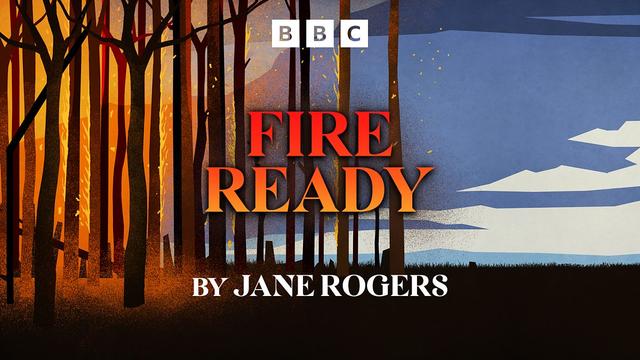
Fire Ready
Fire Ready by Jane Rogers
Episode 5 of 5

The stories in Jane Rogers' second collection shine an unflinching light on the future health of the planet, and the prospects for its greediest tenants - us. With stories spanning hundreds of years – from the far side of the 22nd century all the way back to the darkest days of lockdown – they pose questions about personal responsibility that cannot be easily answered.

Read by Phoebe-Loveday Raymond
Produced by Clive Brill
A Brill production for BBC Radio 4

Show less

21 days left to listen

14 minutes

#BBCLicenceFee #BBCDrama #BBCJaneRogers

https://www.bbc.co.uk/programmes/m002s4qx

BBC Radio 4 - Fire Ready by Jane Rogers, Fire Ready

The temperature in Australia is soaring higher than ever. Living has become an endurance.

BBC

Shut up, Lionel-Schreiber-novel-adaptation.

#BBCRadio4 #BBCLicenceFee

#BBCLicenceFee

Also, GCHQ (and associated staff) sucks donkey ass with their superspy imprison-women-for-feeding-babies-instead-of-giving-the-money-to-james-bond shit.

#BBCLicenceFee

Another issue with the licence fee is the existence of privileged bastards with multiple properties.

As the licence fee is for individual properties

(... the licence fee is not connected to individual persons, it is not "personally portable", therefore if a subscriber views live television broadcasts at a property they own other than the one/s they have a licence fee for then they have to pay a licence fee for each individual property...)

it can also be that there are more "households" than potential subscribers (ignoring "families").

#BBCLicenceFee

If people who don't want to be in a room leave the room (taking their money with them) then the people who do want to stay in that particular room with the other people who also want to stay in that particular room with them will report if asked that they want to stay in that particular room with those other people.

The reviews will be near 100% positive.

( ... because they don't want to pay for all the crap that they don't want ... )

---
The corporation noted 94% of adults use its services each month - but the number of households paying the licence fee has dropped to 80% - with the downward trend set to continue.

The corporation confirmed it will have to cut spending by another £500m over the next two years because of its falling income and rising costs.
---

BBC suggests licence fee could be cut if more people pay

A camera operator in a TV studio, showing the BBC logo against a multi-coloured background
BySteven McIntosh, Entertainment reporter and David Sillito, media correspondent
Published
5 March 2026
1439 Comments

The BBC has suggested the cost of the TV licence fee could be cut, in return for getting more people to pay the annual charge.

The corporation made the suggestion as part of its response to the government's publication of the green paper, which explores options for the BBC's future.

The number of households paying the licence fee has gone into significant decline in recent years and the BBC said its funding model is in need of reform.

The corporation noted 94% of adults use its services each month - but the number of households paying the licence fee has dropped to 80% - with the downward trend set to continue.

The corporation confirmed it will have to cut spending by another £500m over the next two years because of its falling income and rising costs.

The BBC said reducing the licence fee would be a bold move - but an option worth exploring in return for finding a way of getting more people to pay.

Rules over who has to pay the licence fee are felt to be confusing and outdated, as the requirement to pay is tied to consumption of live television.

But the BBC is leaving the government to decide quite how the licence fee should be reformed.

Director general Tim Davie said: "The choice here is clear: back the BBC or watch it decline. The status quo is not an option.

"Clear decisions are needed to ensure the BBC is funded sustainably and fairly so it can continue to deliver, both for audiences and for the country."

The corporation is also asking the government to take on the full £400m cost of the BBC World Service - a bill that used to be paid in full by government until 2014, when it transferred the responsibility to the BBC.

Other suggestions the BBC has made include opening up the iPlayer and BBC Sounds services to advertising-funded programmes from ITV, Channel Four and other broadcasters, as a way to help protect British content.

The BBC is also arguing that the fact its charter expires every 10 years means its existence is constantly under threat. It wants that system to be dropped so the organisation can be put on a more permanent footing.

Changes to BBC board selection
The BBC has also suggested changes to the process of appointing people to its board, following concerns about the risk of political interference.

Five members of the broadcaster's 14-strong board, including the chairman, are currently appointed by the government, but ministers are considering whether to change that as part of a wider review of the BBC.

The BBC said all board appointments should follow "a new, clearly defined, transparent and broadly consistent process".

The appointments and influence of board members came to the fore after the BBC's director general and head of news resigned last November, with some suggesting there had been a "politically motivated coup".

That was dismissed as "ridiculous" by Sir Robbie Gibb, a former Downing Street communications director who was appointed by the Conservative government to the BBC board, and whose influence was the focus of the scrutiny late last year.

Questions about the BBC's independence were also previously raised when former Conservative donor Richard Sharp, who was once ex-PM Rishi Sunak's boss, was named BBC chair in 2021. Sharp resigned two years after a report found he broke rules over dealings with Boris Johnson ahead of his appointment.

The BBC told the government there is "a risk around the perception of independence".

The government is currently considering the future of the BBC and how to change to its royal charter - the set of terms that define how it operates.

Last year, the BBC said 91% of people who responded to a major questionnaire said it was important for the BBC to be independent from the government of the day.

"When it comes to independence, perceptions matter as much as reality, and the audience has spoken," a BBC source said.

"This charter must find ways to reassert the BBC's editorial, creative and operational independence, so the BBC can continue to be a universally-supported, trusted, unifying force.

"At the same time, we want to keep modernising the BBC and find new ways to open up our thinking, plans and decision making to our audience, so they are more involved and play a greater role in the BBC of the future."

In December, the government published its green paper about options for the BBC's future, which said ministers would "consider the right make-up of the board to support independence and accountability".

"This could include whether there should be a change to the government's role in appointing board members, while also maintaining the BBC's independence in appointing the director general and other existing board members," it said.

The government is also considering questions about the BBC's funding, accountability, decision-making and charter length.

It will also suggest scrapping a defined time period for each royal charter; using "citizen assemblies" to help make decisions; and change its complaints procedures.

Additional reporting by Steven McIntosh.

Related topics
Media
BBC
More on this story
How much is the BBC licence fee and how could it change?
Published
3 days ago

#BBCLicenceFee

From subscription models to ‘Britflix’: key takeaways from BBC response to charter review

The 114-page document backs licence fee but suggests its current funding model is being tested to breaking point

The Guardian

TV licence fee to rise to £180 from April as government confirms inflation‑linked increase

The increase — equivalent to an extra 46p a month — follows the 2022 Licence Fee Settlement, which requires the charge to track the consumer price index until the end of the current BBC Charter in 2027.

A standard colour licence currently costs £174.50. The fee has risen each year since 2024, despite ongoing debate about how the BBC should be funded in future.

Government says rise will give BBC ‘stable footing’

Ministers say the uplift will help keep the BBC financially stable as it continues to deliver public service broadcasting and support the wider creative industries.

The Department for Culture, Media and Sport said the government “recognises the financial pressures on households” but remains committed to the licence fee for the remainder of the Charter period.

Support remains available for those struggling with the cost, including:

  • Free licences for over‑75s on Pension Credit
  • Reduced fees for care home residents and blind people
  • The Simple Payment Plan, allowing people in financial difficulty to spread payments in smaller instalments

The cost of a black‑and‑white licence will also rise, increasing from £58.50 to £60.50.

Black‑and‑white TVs are still a thing

They might feel like museum pieces, but thousands of households across the UK are still watching television in black and white — and yes, they’re still paying for a licence to do it.

At the end of 2025, around 3,600 homes were registered for a monochrome TV licence. That’s a tiny fraction of the country, but still remarkable given colour broadcasts began more than half a century ago.

The numbers are falling fast. In 2000, more than 212,000 households held black‑and‑white licences. By 2020, that had dropped by half — and it’s halved again since then.

So who’s still tuning in without colour? Some are collectors or retro‑tech enthusiasts who love the glow of an old cathode‑ray tube. Others are simply nostalgic, sticking with sets they’ve owned for decades. And a few are motivated by cost: a black‑and‑white licence is £58, around 66% cheaper than a colour one.

London remains the unlikely stronghold of monochrome viewing, consistently topping the list for the most black‑and‑white licences still in use.

They may be dwindling, but these last few thousand households are a quirky reminder that not everyone has made the jump to ultra‑HD streaming just yet.

BBC: ‘The licence fee provides financial stability’

The BBC said the fee ensures it can continue delivering trusted news, homegrown programmes and content that “brings people together”.

The corporation is also preparing for major changes ahead of its next Royal Charter in 2027, with the government currently consulting on future funding options. These include:

  • A reformed licence fee
  • A tiered system based on which BBC services people use
  • A subscription or advertising‑supported model

The government says it is “keeping an open mind” about what comes next.

The TV licence will rise to £180 from April the UK Government has announced
(Image: Karolina Grabowska / Pexels.com)

S4C to receive £100m

Welsh‑language broadcaster S4C — which receives all its public funding from the licence fee — will see its budget rise proportionately, receiving around £100 million in 2026/27.

Ministers say the increase will support the growth of Wales’ creative industries.

Debate over the BBC’s future intensifies

The rise comes as the BBC faces pressure over its long‑term finances, with evasion rates increasing and the Public Accounts Committee estimating the corporation lost more than £1 billion last year from households refusing to pay.

Executives are exploring new revenue options, while critics argue the current model is outdated. Supporters say the licence fee remains the fairest way to fund universal public service broadcasting.

The government’s consultation on the BBC’s future funding runs alongside its wider Charter Review.

#BBC #BBCCharter #BBCLicenceFee #DepartmentForCultureMediaAndSport #S4C #tv #tvLicence #tvLicenceFeeIncrease
BBC faces ‘profound jeopardy’ without funding overhaul, Tim Davie says

Exclusive: Outgoing director general indicates support for update to licence-fee model as part of wider changes

The Guardian
The BBC is under threat like never before. This is how to save it

A moment of peril demands a new approach – on everything from funding to the BBC charter, says Pat Younge, former chief creative officer of BBC Television

The Guardian