More curious fur seals are getting trapped in discarded fishing gear
By Toby Hemmings and Alasdair McDonald

Data from the wildlife rescue group ORRCA shows an increase in the number of fur seal entanglements as they seek out fishing lines in attempts to find an easy meal.

https://www.abc.net.au/news/2026-05-15/entangled-seals-fishing-gear/106674776

#WaterPollution #MarineBiology #AnimalBehaviour #RecreationalFishing #TobyHemmings #AlasdairMcDonald
More curious fur seals are getting trapped in discarded fishing gear

Data from the wildlife rescue group ORRCA shows an increase in the number of fur seal entanglements as they seek out fishing lines in attempts to find an easy meal.

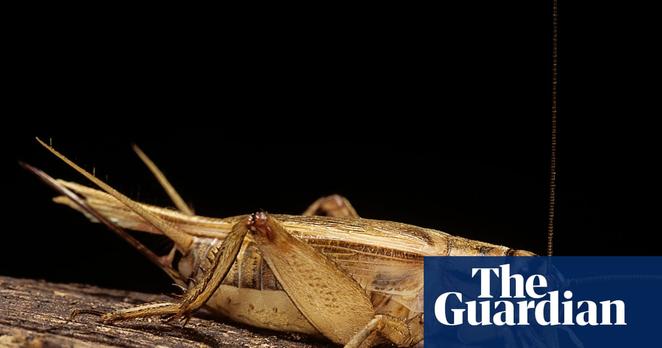
Don’t reach for the bug spray: scientists find insects may feel pain after crickets nurse sore antenna
By Petra Stock

The behavioural cue of ‘flexible self-protection’ is a way to establish whether an animal feels pain, scientists say

https://www.theguardian.com/science/2026/may/13/insects-feel-pain-research

#Animalbehaviour #Insects #Environment #Animals #Biology #Australianews #Wildlife #Science #PetraStock

Don’t reach for the bug spray: crickets stroke a sore antenna, as cues suggest insects feel pain

The behavioural cue of ‘flexible self-protection’ is a way to establish whether an animal feels pain, scientists say

The Guardian
Don’t reach for the bug spray: crickets stroke a sore antenna, as cues suggest insects feel pain https://www.theguardian.com/science/2026/may/13/insects-feel-pain-research #AnimalBehaviour #Insects #Environment #Animals #Biology #AustraliaNews #Wildlife #Science
Don’t reach for the bug spray: crickets stroke a sore antenna, as cues suggest insects feel pain

The behavioural cue of ‘flexible self-protection’ is a way to establish whether an animal feels pain, scientists say

The Guardian
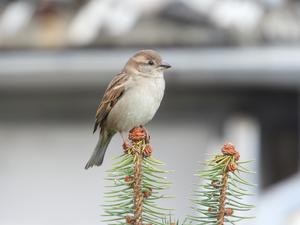
Urban birds fear women more than men, and scientists don’t know why

An international team of researchers have made the surprising discovery that urban birds - such as great tits, house sparrows and blackbirds - flee sooner when approached by women compared to men. But they don’t understand why.

EurekAlert!

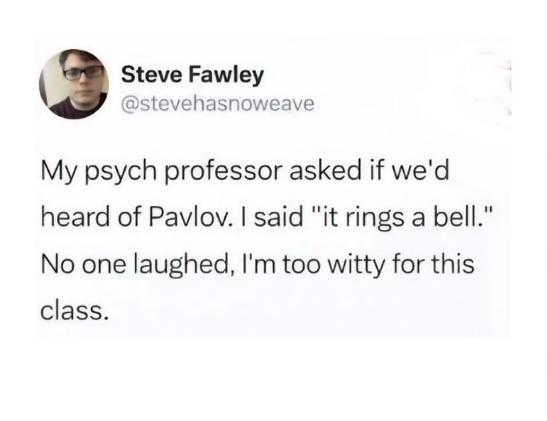
This happened to me in 2024, my lecturer's response was: "It should," and he went on to explain 🥲.

#meme #animalbehaviour #zoology #biology #dogs #fediverse

10/
Conclusion: The Human-Animal Web

• Humans are described as one thread in a vast, continuous living web.

• Domestic pets, such as dogs and cats, foster empathy in children that bridges the gap between our homes and wild animals like elephants.

• The findings demand a reconsideration of our relationship with the conscious, feeling beings in the natural world.

https://youtu.be/y14Cd-mwass

#animals
#elephants
#AnimalBehaviour
#AnimalRights
#AnimalSentience
#AnimalEthics

From 'It' to 'Who'

YouTube

6/
Chemical evidence of shared traits includes:
◦ Crayfish: Display clinical anxiety and elevated serotonin when subjected to shocks.
◦ Honeybees: Become pessimistic after simulated attacks.
◦ Tiny Worms: Use oxytocin-like chemicals to seek mates despite having only 302 nerve cells.
◦ Dogs: Can suffer from obsessive-compulsive disorder.
Case Study: The Elephant Mind

https://youtu.be/y14Cd-mwass

#animals
#AnimalBehaviour
#AnimalRights
#ethology
#video

From 'It' to 'Who'

YouTube

4/
By recognizing these shared emotions, we take a giant stride toward understanding the living web we inhabit. So, let's dive into the animal mind and see the world through a completely new light.

The Paradigm Shift: From "It" to "Who"

• Science is moving away from viewing animals as biological "its"—mechanical beings driven solely by instinct—to recognizing them as conscious "whos".

https://youtu.be/y14Cd-mwass

#animals
#AnimalBehaviour
#AnimalRights
#AnimalEthics
#ethology
#video

From 'It' to 'Who'

YouTube

3/
This isn’t just sentiment—it’s biological truth. Modern neurology reveals that we inherited our nervous systems from the same evolutionary tree as the creatures around us. From crayfish experiencing clinical anxiety to elephants making strategic alliances, we are finding that the biological trails of human emotion are built upon ancient trails shared by all living things.

https://youtu.be/y14Cd-mwass

#animals
#AnimalBehaviour
#AnimalRights
#AnimalEthics
#ethology
#elephants
#video

From 'It' to 'Who'

YouTube

2/
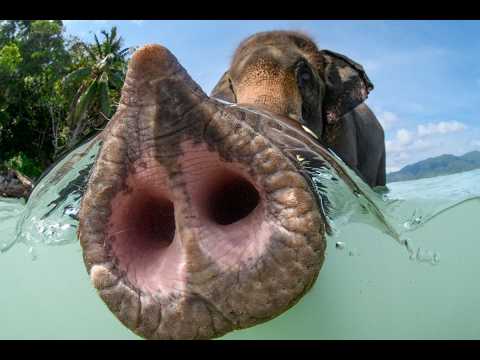
This shift becomes clear when you look at the life of an elephant. Consider Echo, a matriarch who slowed her entire family's pace for three days just to allow her crippled calf to survive. This wasn't a mechanical reaction; it was a choice fueled by profound empathy and wisdom.

https://youtu.be/y14Cd-mwass

#animals
#AnimalBehaviour
#AnimalRights
#AnimalEthics
#ethology
#elephants
#video

From 'It' to 'Who'

YouTube