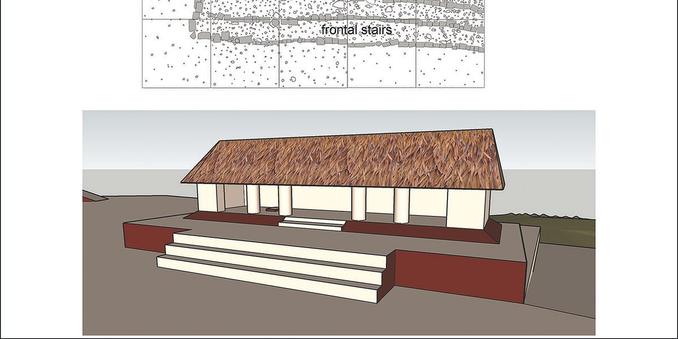
A Maya settlement in Belize kept farming and fishing straight through the Classic Collapse β€” with 1,000-year-old wooden posts to prove it. New excavation rewrites what β€œabandonment” looked like at the edges. #AncientMaya #Archaeology #WetlandHeritage https://www.anthropology.net/p/the-maya-who-stayed-wetland-farmers
The Maya Who Stayed: Wetland Farmers at the Edge of Collapse

A new excavation in Belize finds preserved wood, fishhooks, and a community that didn't leave when everyone else did

Anthropology.net
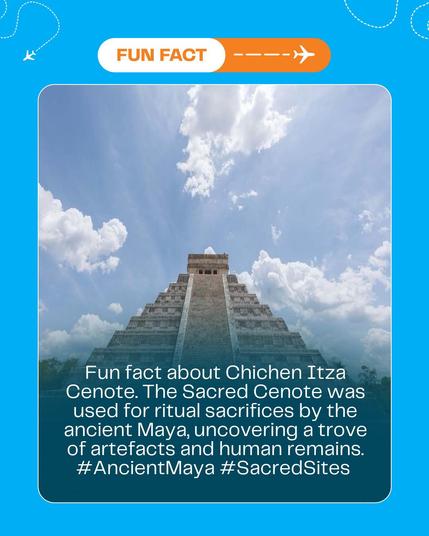
Fun fact about Chichen Itza Cenote. The Sacred Cenote was used for ritual sacrifices by the ancient Maya, uncovering a trove of artefacts and human remains. #AncientMaya #SacredSites #jtset Image Credit:@richardsilverphoto on instagram
The ancient Maya engineered sprawling cities, underground reservoirs, aqueducts, and elevated roads β€” revealing a civilization of genius architects that challenges everything we thought about ancient technology.
#AncientMayaπŸ›οΈ #LostTechnology #HistoryFacts πŸ”#EngineeringGenius 🧠 #Storytelling #DidYouKnow #HistoryFacts #DocumentaryShort #WeirdHistory
Read more: https://www.ancient-origins.net/engineering-marvels-ancient-maya?utm_source=chatgpt.com
Not just for the gods: New insight on the use of cacao among the ancient Maya

It was the money that grew on trees.

Phys.org
Ancient Maya cities were dangerously contaminated with mercury

The cities of the ancient Maya in Mesoamerica never fail to impress. But beneath the soil surface, an unexpected danger lurks there: mercury pollution. In a review article in Frontiers in Environmental Science, researchers conclude that this pollution isn't modern: it's due to the frequent use of mercury and mercury-containing products by the Maya of the Classic Period, between 250 and 1100 CE. This pollution is in places so heavy that even today, it pose a potential health hazard for unwary archeologists.

Phys.org