 Sherifa Zuhur
Syriac, Chaldean, Assyrian communities celebrate #Akitu in northeast Syria!#press
 Kurdystan.info
Akitu – Asyryjski Nowy Rok
Dzisiaj w Północno-Wschodniej Syrii i na całym świecie obchodzony jest Akitu - Asyryjski Nowy Rok. To jedno z najstarszych świąt celebrujących powrót wiosny i życia, obchodzone od tysiącleci na terenie Mezopotamii. Według kalendarza asyryjskiego dziś zaczyna się rok 6776. W Północno-Wschodniej Syrii obchody Akitu zaczęły się już wczoraj, m.in. karawanami przystrojonych flagami samochodów w miastach Til Temir, Haseke i Qamiszlo. Ulice dzielnic chrześcijańskich zostały na […]https://kurdystan.fediblog.pl/kurdystan/akitu-asyryjski-nowy-rok/



 SoyArmenio
🇦🇲 Nikol Pashinyan felicita a la comunidad asiria por el Hab-Nisan: "Símbolo de despertar y fertilidad". Un mensaje de unidad en Armenia. #akitu #AñoNuevoAsirio #armenia #ComunidadAsiria #cultura #HabNisan #NikolPashinyan https://soyarmenio.com/comunidad-asiria-armenia-hab-nisan-2026/
 World History Encyclopedia
Festivals in ancient Mesopotamia honored the patron deity of a city-state or the primary god of the city that controlled a region or empire. #History #Nabu #Mesopotamia #Marduk #Akitu #Festival #HistoryFact https://whe.to/ci/2-2185-en/

 The Community Edition
RESOLUTIONS OF SELF
There’s something about the opportunity—or at least the idea of an opportunity—for a new beginning. A chance to wipe our slates clean, forget whatever we think was holding us back—new year, new me. This is the year!
Goal setting is its own subculture, rooted in corporate culture, but also as our universal way of evaluating progress. You cannot know if you have grown unless you know what you are striving for, what exactly it is you hope to grow into. And to know that you need to set goals for yourself. This is the bread and butter of self-help books, self-help gurus, life coaches, your boss, your running app, your book reading app.
The tradition of New Year’s resolutions goes back over 4,000 years to the ancient Babylonians. The Akitu festival was celebrated during the first month of the Babylonian calendar, which coincides with March/April. While serving as a time for the population to gather and celebrate the beginning of the farming season, the festival was also a time to honor their gods and make vows to pay off debts or return borrowed farming equipment.
Looking ahead through time, in ancient Rome, the Kalends of January—that is, Jan. 1—was dedicated to honouring the god Janus. People offered sacrifices, made wishes and renewed commitments to themselves and their fellow citizens. In the Middle Ages, the new year was designated as a time for knights to renew their commitments to the code of chivalry via what was called a “peacock’s vow”.
Different populations within different time periods have used the beginning of their calendar year, usually centred around the harvest season, to renew whatever commitments made sense for them in the context of their time period. Perhaps there is a lesson to be found here, in aligning our present-day practices of resolution setting with our own personal calendars and our own contextual pursuit for improvement.
Perhaps we don’t necessarily need to be setting goals right at the beginning of a calendar year designated by a long dead Roman Emperor.
I don’t necessarily have any qualms with the policy agenda of Julius Ceaser, nor do I think there is any harm in an arbitrary reminder that a full year has passed since the last one.
That being said, there’s also comfort in knowing it is simply that: arbitrary. Maybe these next few weeks, or even months, are an extraordinarily busy time for you. Maybe you do have resolutions for yourself, but maybe you give yourself some time to breathe and stay afloat. Once spring begins to enter the picture, that’s when you focus on what you want to accomplish, little or big victories all held equal.
Resolution setting in this world has separated from theological traditions and has been distilled into a personal habit, so why not align your personal calendar?
The ultimate rule is that you can set things however you would like, big goals or small goals. Whatever works for you works for you.
There is already a seemingly insurmountable pressure from the world and its many institutions to attribute everything to a measure of productivity. If I were to offer any serious advice, it would be to avoid doing the same to yourself.
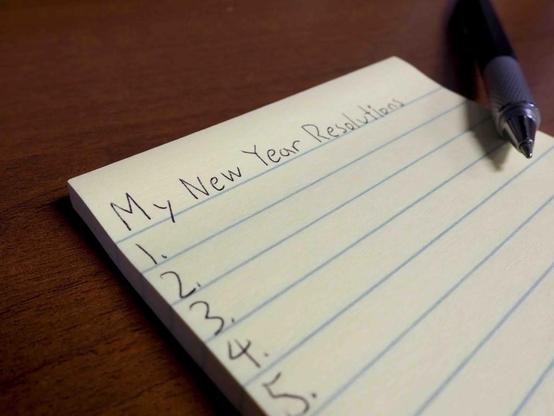
With all of that said, below are some suggestions for New Year’s resolutions you can set for yourself:
1. Write to your local MP
2. Be kind to your body
3. Wait until March/April to set your resolutions
4. Learn about the history of where you reside, who lived there before you did
5. Talk to your family (blood or chosen)
6. Understand yourself 10 per cent more
7. Volunteer at a local charity at least four times
8. Reaffirm your commitment to the code of chivalry
9. Return any borrowed farm tools
10. Practice deep breathing
#akitu #ancientRome #babylonians #HansHaryanto #juliusCeaser #kalendsOfJanurary #newYearsResolutions #romanEmperor
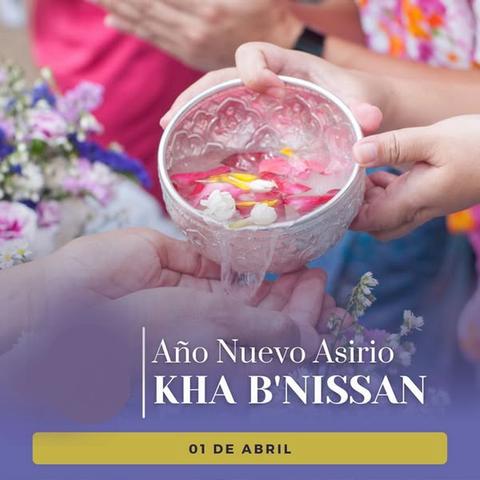
Hab-Nisan: El Año Nuevo Asirio y su significado en Armenia #akitu #AñoNuevoAsirio #armenia #CulturaAsiria #HabNisan #NikolPashinyan El primer ministro de Armenia felicitó a la comunidad asiria por Hab-Nisan, el Año Nuevo Asirio. Descubre el significado de esta festividad y cómo se celebra. https://soyarmenio.com/noticias-de-armenia/hab-nisan-armenia/
Suspected ISIS attacker targets #Akitu Festival in Duhok @iraq
https://shafaq.com/en/Kurdistan/Suspected-ISIS-attacker-targets-Akitu-Festival-in-Duhok

El primer ministro de Armenia felicitó a la comunidad asiria por Hab-Nisan, el Año Nuevo Asirio. Descubre el significado de esta festividad y cómo se celebra. #akitu #AñoNuevoAsirio #armenia #CulturaAsiria #HabNisan #NikolPashinyan https://soyarmenio.com/noticias-de-armenia/hab-nisan-armenia/
 Infrapink (he/his/him)