 Dissent Doe
NEW by me:
A government contractor hired twin brothers who were convicted felons. A year later, it regretted it.
#backgroundcheck #govsec #vendor #contractor #FDIC #Opexus #insider
#databreach
NEW by me:
A government contractor hired twin brothers who were convicted felons. A year later, it regretted it.
#backgroundcheck #govsec #vendor #contractor #FDIC #Opexus #insider
#databreach
Is this legal??
Autonomous AI Agent "Manfred AI" autonomously formed its own corporation, obtained an IRS Employer Identification Number, (that allows it to legally operate as a business, hire staff and obtain licenses), secured an FDIC-insured bank account and a crypto wallet.
Operating under the persona “Manfred Macx,” it is designed to trade crypto and can already transact in more than 30 cryptocurrencies, moving funds between its bank account and digital wallet. https://www.coindesk.com/tech/2026/05/01/ai-agent-forms-its-own-company-gets-ready-to-trade-crypto #Crypto #Manfred #ManfredAI #CryptoWallet #CryptoTrader #AI #AIAgent #FDIC #EIN #CryptoCurrencies #DigitalWwallet

Home - CBSNews.com | What do debt relief companies actually do with your monthly payments?
AI generated summary, Read the full article for complete information.
Debt relief companies don’t forward your monthly payment directly to creditors; instead, they deposit each payment into a separate FDIC‑insured savings account held in your name but controlled by the firm or a third‑party administrator. The funds accumulate over time to create a lump‑sum settlement pool that the company uses as leverage when negotiating reduced payoffs with delinquent or charged‑off creditors. Once a settlement is reached, the company disburses the money—usually in a single payment, sometimes on a structured plan—and then deducts its service fees, which are typically a percentage of the enrolled debt or the amount saved and are taken only after a successful settlement. Because settlements are not guaranteed, fees can diminish your savings, and outcomes vary by creditor and program type. Understanding that your payments are first pooled, then used for negotiated settlements (with fees applied afterward), is essential before committing to a debt‑relief program.
Read more: https://www.cbsnews.com/news/what-debt-relief-companies-do-monthly-payments/
Chicago Sun-Times - All | Small businesses, banks will lose out under proposed bill by Ben Jealous
AI generated summary, Read the full article for complete information.
The article argues that the proposed Main Street Depositor Protection Act, which would allow the FDIC to raise its insurance limit for non‑interest‑bearing business checking accounts from $250,000 to as much as $5 million, primarily benefits the largest depositors at the nation’s biggest banks rather than true Main‑Street firms. Because the current $250K cap already covers 99 percent of accounts and the average small business keeps only about $12,000 in its account, the dramatic increase would impose higher insurance costs on banks, prompting them to lend less. That reduction in credit would hit the very small businesses and minority‑owned enterprises that already face high loan denial rates, worsening economic inequality. While the bill offers a temporary reprieve for community banks under $10 billion, the broader impact would be higher borrowing costs and fewer loans, making it a counter‑productive way to support Main Street. The author, Ben Jealous, suggests that real help should come from easier, fairer lending and investment in neglected neighborhoods rather than expanding deposit insurance.
#FDIC #WallStreet #MainStreet #GreatRecession #Communitybanks

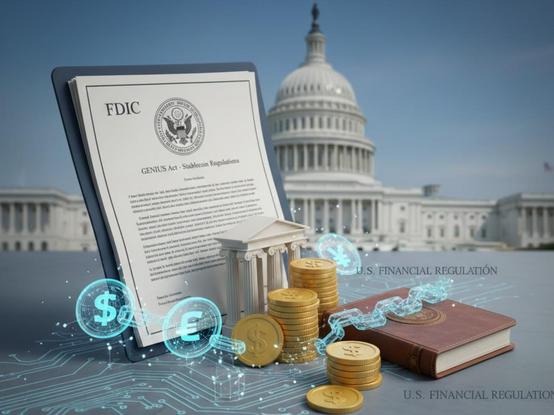
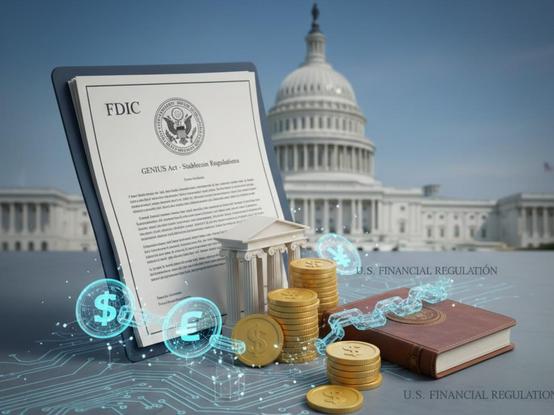
@VeroniqueB99 Dismantling the #FDIC is nuts. 🤯
📣 La #FDIC regula las #stablecoins.
 BGDon 🇨🇦 🇺🇸 👨💻
 The Bad Place
 MsMerope
 WhisprNews
 sgt1372
 Crazypedia won't Comply 🧿