Why Pangolins Are So Special
#Pangolins of #Africa and Asia are the world’s most trafficked animal. Tragically they are disappearing due to illegal poaching as well as habitat loss for agribusiness like #palmoil. They get their name from the Malay word pengguling, which translates to “rolling up” in reference to their balled-up protective pose when threatened. Pangolins play an essential part in ecosystem health, keeping insects in check with their highly sensitive tongues and sense of smell. These remarkable and critically endangered animals deserve a break from savage and cruel #poaching and palm oil #deforestation. Help them when you #BoycottPalmOil #Boycott4Wildlife
The remarkable #pangolin is named ‘pengguling’ in Malay. Looking like a #pokemon or a scaly #dragon 🐉 they rid ecosystems in #Africa and #Asia of excess insects. Help them survive, be #vegan and #Boycottpalmoil 🌴🚫 #Boycott4Wildlife @palmoildetect https://wp.me/pcFhgU-92l
Share to BlueSky Share to Twitter Written by Olajumoke Morenikeji, Professor Department of Zoology, University of Ibadan. This article is republished from The Conversation under a Creative Commons license. Read the original article.
Pangolins play a vital role in ecosystems by controlling insect populations, particularly ants and termites, which helps maintain ecological balance.
Pangolins are fascinating creatures known for their unique appearance and distinctive scales. They are mammals belonging to the order Pholidota and are native to Africa and Asia. Due to their primary diet of ants and termites, pangolins are often referred to as “scaly anteaters”.
The African pangolin species are dispersed throughout southern, western, central and east Africa.
Pangolins face rapid declines across Asia and Africa, with all eight species classified as vulnerable, endangered, or critically endangered. They are threatened by poaching and habitat loss, driven by the demand for their meat and scales.
Pangolins are the most trafficked wild mammal in the world. Their meat is considered a delicacy in Asia while their scales are also used in traditional medicines, fetching huge sums on the black market. As many as 8.5 million pangolins are estimated to have been removed from the wild in west and central Africa for the illegal trade between 2014 and 2021.
The trade route analysis of pangolin trafficking points to Lagos as the main connection point both domestically and worldwide, including south-east Asian countries. Malaysia, Laos and Singapore also serve as key transit countries for pangolin-scale shipments from Nigeria.
China and Vietnam are the main destinations for these illegal shipments.
I am a zoologist who’s passionate about the environment and biodiversity conservation. I am also the founder and chair of Pangolin Conservation Guild Nigeria. In my view, effective protection, law enforcement and changes in consumer behaviour are necessary to address the complex drivers of poaching and trafficking.
What makes pangolins special
Pangolins are interesting for a number of reasons.
Scales: Unlike any other mammals, they are covered with keratin scales. This adaptation is a defence against predators. The scales, made of the same material as human fingernails, provide armour-like protection as they curl into a ball when threatened, shielding their vulnerable underbelly. The scales can account for up to 20% of a pangolin’s total body weight. A pangolin’s scales are a reminder of the incredible diversity of adaptations in the natural world.
Habitats: Pangolins, as a group, are also adaptable to different environmental conditions. Their habitats include tropical forests, dry woodlands and savannahs. Some pangolin species, like the white-bellied, are adept climbers and spend much of their time in the canopy, foraging for insects among the branches. These arboreal habits provide them with both food and shelter, as well as protection from ground-dwelling predators. Other pangolin species, such as the ground pangolins, live on the forest floor or in grasslands. They may dig burrows underground where they retreat for rest and safety, particularly during the heat of the day or to escape potential threats.
Defence: The name “pangolin” originates from the Malay word pengguling, which translates to “rolling up”. They tuck in their head and limbs and curl into a tight ball when faced with danger, wrapping their body in a protective layer of overlapping scales. This has helped pangolins survive predators such as big cats, hyenas and humans.
Diet: Pangolins primarily feed on ants and termites, making them essential players in controlling insect populations within their ecosystems. They find the insects using their keen sense of smell and their tongues – which are often longer than their bodies. These long tongues are coated with sticky saliva, allowing them to probe deep into ant and termite nests to extract their prey. Their strong claws are also well-suited for tearing open insect nests and breaking through hard soil to uncover hidden prey. Pangolins’ diets play a crucial role in maintaining the health and stability of their environments.
Pangolins in Africa
In west and central Africa, the giant pangolin is distributed in a variety of habitats, including primary and secondary forests, swamp forests and wooded savannahs. Temminck’s pangolin (Smutsia temminckii) is the most widely distributed African pangolin, occurring mainly in southern and east Africa. The black-bellied pangolin (Phataginus tetradactyla) is an arboreal pangolin species, and occurs in west and central Africa. The white-bellied pangolin (Phataginus tricuspis) is the most frequently encountered pangolin in Africa. The white-bellied pangolin is found in north-central and south-western Nigeria.
White-bellied Pangolin Phataginus tricuspis
In Nigeria, pangolins are found in various habitats, including forests, savannahs and grasslands. Their distribution and abundance in Nigeria are uncertain, highlighting the need for further research and conservation efforts.
Lagos, Nigeria’s commercial capital, serves as a hub for the illegal trade of pangolins. It is a transit route to Cameroon and is involved in shipments of pangolins from sub-Saharan Africa to Asia. Cameroon is at the centre of wildlife trafficking in central Africa. It is both a source country of animal products as well as a transit route for contraband from neighbouring Republic of Congo, the Democratic Republic of Congo and the Central African Republic.
In 2022, Nigerian customs officials seized 1,613 tonnes of pangolin scales and arrested 14 people. In October 2023, Nigeria burned four tonnes of seized pangolin scales, valued at US$1.4 million. Officials said this was the first time they had publicly destroyed seized wildlife products to discourage illegal trafficking.
Why pangolin conservation is important
Pangolin conservation is crucial for several reasons.
Firstly, pangolins play a vital role in ecosystems by controlling insect populations, particularly ants and termites, which helps maintain ecological balance.
They also contribute to soil health through their digging behaviour, which aerates the soil and promotes nutrient cycling.
Moreover, pangolins are indicators of ecosystem health. Their presence or absence can reflect the overall well-being of their habitats. Protecting pangolins helps safeguard biodiversity and the integrity of their ecosystems.
They also have cultural and economic value in many regions, contributing to ecotourism.
Written by Olajumoke Morenikeji, Professor Department of Zoology, University of Ibadan. This article is republished from The Conversation under a Creative Commons license. Read the original article.
ENDS
Why Pangolins Are So Special
Pangolins get their name from the Malay ‘pengguling’ meaning rolling up. These special critically endangered animals deserve a break from savage poaching
Keep reading
by Palm Oil DetectivesDecember 7, 2025October 12, 2025
Giant Pangolin Smutsia gigantea
The Giant Pangolin is are the largest and heaviest of the pangolin species weighing up to 35 kilos. These majestic creature are cloaked in keratin armour and embark on nightly quests…
Keep reading
by Palm Oil DetectivesOctober 27, 2024March 23, 2025
Sunda Pangolin Manis javanica
Sunda pangolins AKA Javan pangolins are capable swimmers and curl protective balls, palm oil and hunting exploitation are major threats, boycott palm oil!
Keep reading
by Palm Oil DetectivesJuly 16, 2023October 12, 2025
Load more posts
Something went wrong. Please refresh the page and/or try again.
Learn about other animals endangered by palm oil and other agriculture
Global South America S.E. Asia India Africa West Papua & PNG Tucuxi Sotalia fluviatilis
Keep reading
Frill-Necked Lizard Chlamydosaurus kingii
Keep reading
Grey Crowned Crane Balearica regulorum
Keep reading
Ecuadorean Viscacha Lagidium ahuacaense
Keep reading
Southern Pudu Pudu puda
Keep reading
Blue-streaked Lory Eos reticulata
Keep reading
Learn about “sustainable” palm oil greenwashing
Read more about RSPO greenwashing
Lying Fake labels Indigenous Land-grabbing Human rights abuses Deforestation Human health hazards A 2019 World Health Organisation (WHO) report into the palm oil industry and RSPO finds extensive greenwashing of palm oil deforestation and the murder of endangered animals (i.e. biodiversity loss)
Read more Take Action in Five Ways
1. Join the #Boycott4Wildlife on social media and subscribe to stay in the loop: Share posts from this website to your own network on Twitter, Mastadon, Instagram, Facebook and Youtube using the hashtags #Boycottpalmoil #Boycott4Wildlife.
Enter your email address
Sign Up
Join 3,172 other subscribers
2. Contribute stories: Academics, conservationists, scientists, indigenous rights advocates and animal rights advocates working to expose the corruption of the palm oil industry or to save animals can contribute stories to the website.
Wildlife Artist Juanchi Pérez
Read more
Mel Lumby: Dedicated Devotee to Borneo’s Living Beings
Read more
Anthropologist and Author Dr Sophie Chao
Read more
Health Physician Dr Evan Allen
Read more
The World’s Most Loved Cup: A Social, Ethical & Environmental History of Coffee by Aviary Doert
Read more
How do we stop the world’s ecosystems from going into a death spiral? A #SteadyState Economy
Read more
3. Supermarket sleuthing: Next time you’re in the supermarket, take photos of products containing palm oil. Share these to social media along with the hashtags to call out the greenwashing and ecocide of the brands who use palm oil. You can also take photos of palm oil free products and congratulate brands when they go palm oil free.
https://twitter.com/CuriousApe4/status/1526136783557529600?s=20
https://twitter.com/PhillDixon1/status/1749010345555788144?s=20
https://twitter.com/mugabe139/status/1678027567977078784?s=20
4. Take to the streets: Get in touch with Palm Oil Detectives to find out more.
5. Donate: Make a one-off or monthly donation to Palm Oil Detectives as a way of saying thank you and to help pay for ongoing running costs of the website and social media campaigns. Donate here
Pledge your support #africa #animalBehaviour #animalBiodiversityNews #animalCruelty #animalExtinction #animalIntelligence #animalRights #asia #biodiversity #boycott4wildlife #boycottpalmoil #deforestation #dragon #giantPangolinSmutsiaGigantea #palmOil #palmOilDeforestation #palmoil #pangolin #pangolins #poaching #pokemon #sundaPangolinManisJavanica #temmincksPangolinSmutsiaTemminckii #vegan #whiteBelliedPangolinPhataginusTricuspis
 Scopes’n Birds

 Pedro J. Hdez
 NSW.Biodiversity
 Salamence
 Tino Eberl
 peachfront
 Carl Englander
 Palm Oil Detectives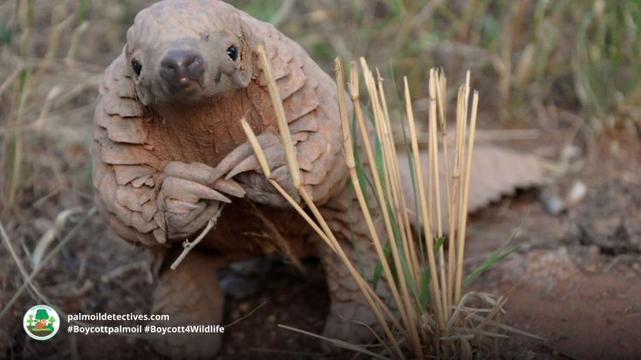


 anonitus
 anonitus

 Negative12DollarBill