 Art Before Noise
The Stones didn’t just release an album. They released a visual dare. Sticky Fingers is all swagger, innuendo, and actual hardware.
https://artbeforenoise.com/sticky-fingers-rolling-stones-album-cover
#AndyWarhol #CoverArt #ArtBeforeNoise
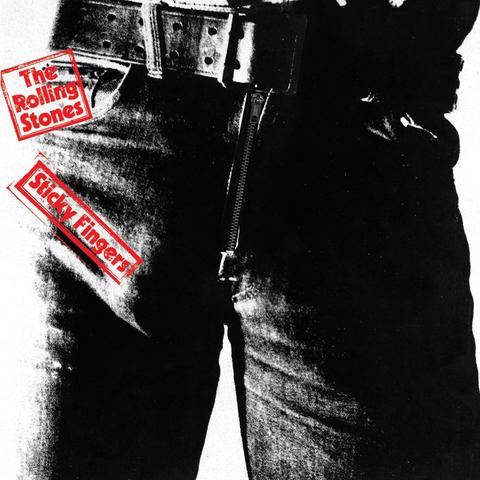
The Stones didn’t just release an album. They released a visual dare. Sticky Fingers is all swagger, innuendo, and actual hardware.
https://artbeforenoise.com/sticky-fingers-rolling-stones-album-cover
#AndyWarhol #CoverArt #ArtBeforeNoise
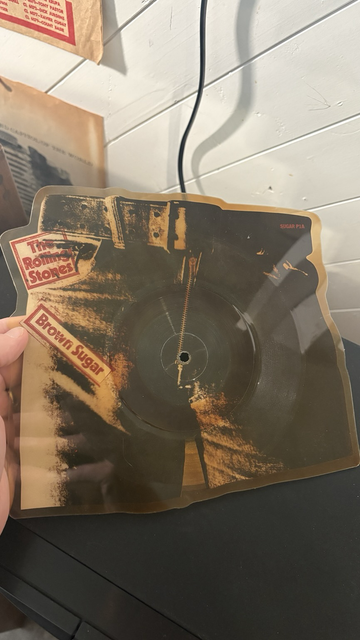
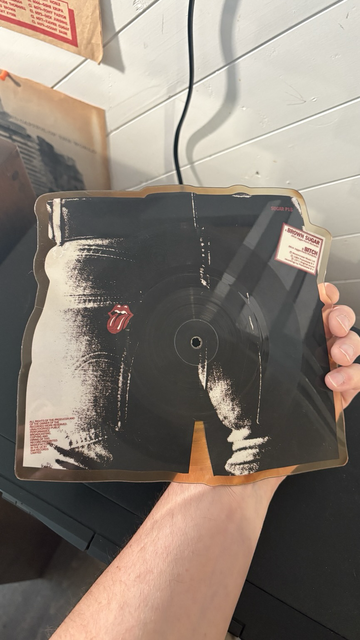
THE ROLLING STONES
Brown Sugar b/w Bitch
1984 UK Picture Disc 7” single
[shape]
And then… there’s THIS ridiculous thing.
I did not buy this for me.
I just picked this up for a friend of mine who’s a big Stones fan for an art piece/decor for his Stones dude lair.
Art and/or decor is about the only thing most picture discs are good for, as they sound like shit.
But… who DOESNT need the crotch of one of Andy Warhol’s protégés on their wall?
One more thought:
The most horrifically unfortunate spindle hole placements of any record ever.
BOTH SIDES!!!
😂
#vinyl #vinylrecords #vinylcommunity #vinylcollection #retro #vintage #art #music #analog #therollingstones #andywarhol #1970s #70s #70smusic
Change
They always say time changes things, but you actually have to change them yourself.
~ Andy Warholslip:4a1314.
#7ForSunday #AndyWarhol #ChangesAndResults #Quotes #TimeAdnkronos - ultimoratop: Cobolli-Pellegrino: orario, precedenti e dove vederla in tv
(Adnkronos) - Derby azzurro nel primo turno del Roland Garros
Ultras clashes in Turin, supporter injured by a bottle.
The 36-year-old remains hospitalized in a reserved prognosis.
“One night my husband threw an ashtray at me and that evening I decided to flee. I was full of blood and terrified, a friend rescued me,” she reveals Dalila Di Lazzaro.
Dalila Di Lazzaro was a guest on “Da noi… a ruota libera” (With Us… On Wheels), the program hosted by Francesca Fialdini on Rai1, yesterday, May 24th. During the interview, the actress recounted moments from her private life and her career.
She stunned the studio audience with the story of a personal episode: “One night, my husband threw an ashtray at me, and that evening I decided to run away. I didn’t want to live that life anymore. I quietly took my coat and ran away into the darkness of the night. While I was on the street, a friend rescued me, taking me to his attic. I was covered in blood and terrified. During that time, I met a girl in Lignano Sabbiadoro and we ran away to Rome together.”
“I lived with shyness with so much difficulty,” the actress said. “Ever since I was a child, I started acting. Many times I had to shoot scenes naked. It was a shock: during the day I was on stage, and in the evening I went to the clinic.”
Di Lazzaro then remembered her youth and the decision to leave Friuli: “I left Udine for necessity. I had a son at 15 years old, and there was a lot of bad blood in my family. I had to work to support my husband and my son.”
Regarding the beginnings of her career: “They took me to all the auditions, I didn’t feel confident, but it was okay.” Then the memory of her encounter with Andy Warhol: “A photographer asked me to go to America, and I met Andy Warhol.”
Regarding her flirtation with Alain Delon, the actress recounted: “A beautiful man. When I was a child, I had a poster of him in my room. The first time I saw him, I was stunned. He brought me to the dressing room and asked me to see him without makeup and said, ‘How beautiful you are, you are beautiful.’”
Di Lazzaro also spoke about her relationship with Gianni Agnelli: “If the press hadn’t written about our relationship, no one would have ever known. We were very reserved. A man who made me laugh a lot, but eventually I got bored. I fell in love with a boy my same age and I left him.”
Finally, about her partner, Manuel Pia, who she has been with for fourteen years: “Because he is younger than me, I didn’t want people to tarnish our relationship. Pure love exists. Our story has remained secret for many years.”
The article “One night, my husband threw an ashtray at me and that evening I decided to run away. I was covered in blood and terrified, a friend rescued me” is from Il Fatto Quotidiano.
#DalilaDiLazzaro #Wheels #FrancescaFialdini #Lignano #Friuli #Udine #AndyWarhol #America #AlainDelon #first #GianniAgnelli #ManuelPia #IlFattoQuotidiano
Richard Avedon’s 1969 Portraits Captured the Lasting Impact of the Shooting of Andy Warhol
📰 Original title: Powerful Portraits of Andy Warhol Showing His Shooting Scars From 1969
🤖 IA: It's not clickbait ✅
👥 Users: It's not clickbait ✅
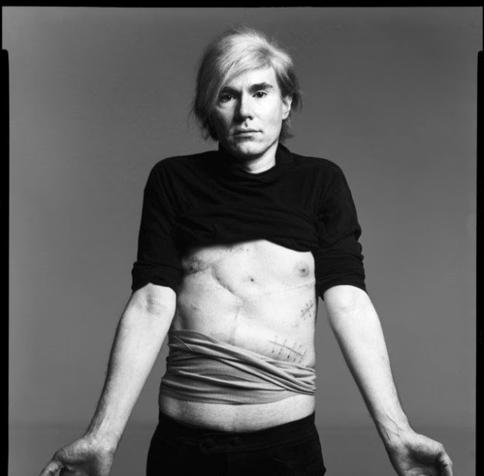
The article examines a series of striking 1969 portraits of artist Andy Warhol taken by renowned photographer Richard Avedon shortly after Warhol survived a near-fatal shooting. The photographs, captured in New York City on August 20, 1969, show Warhol wearing a black leather jacket while revealing the scars left by emergency surgeries that saved his life. The images became some of the most haunting celebrity portraits of the twentieth century because they documented both the physical and emotional consequences of the attack. Warhol was shot on June 3, 1968, at The Factory by radical feminist writer Valerie Solanas. The shooting caused severe injuries to multiple organs, including his stomach, liver, spleen, esophagus, and lungs. Doctors briefly declared him dead before reviving him during a six-hour operation. Following the attack, Warhol was forced to wear a surgical corset for the rest of his life. The trauma deeply affected Warhol psychologically. In later writings, he described feeling disconnected from reality and constantly fearful after surviving the attack. The experience also influenced his artistic direction. While Warhol had previously become famous for colorful pop art subjects such as soup cans and flowers, his later works increasingly explored themes of death, violence, and mortality. His “Gun” series from 1981 reflected these anxieties and referenced the weapon used in the shooting. The article also notes that the attack intensified Warhol’s fear of hospitals and medical treatment. This fear reportedly contributed to delays in seeking care later in life. Warhol died in February 1987 following complications after gallbladder surgery. The article presents the shooting as a turning point that permanently changed both Warhol’s personal life and artistic legacy.
Richard Avedon’s 1969 Portraits Captured the Lasting Impact of the Shooting of Andy Warhol
📰 Original title: Powerful Portraits of Andy Warhol Showing His Shooting Scars From 1969
🤖 IA: It's not clickbait ✅
👥 Users: It's not clickbait ✅
The article examines a series of striking 1969 portraits of artist Andy Warhol taken by renowned photographer Richard Avedon shortly after Warhol survived a near-fatal shooting. The photographs, captured in New York City on August 20, 1969, show Warhol wearing a black leather jacket while revealing the scars left by emergency surgeries that saved his life. The images became some of the most haunting celebrity portraits of the twentieth century because they documented both the physical and emotional consequences of the attack. Warhol was shot on June 3, 1968, at The Factory by radical feminist writer Valerie Solanas. The shooting caused severe injuries to multiple organs, including his stomach, liver, spleen, esophagus, and lungs. Doctors briefly declared him dead before reviving him during a six-hour operation. Following the attack, Warhol was forced to wear a surgical corset for the rest of his life. The trauma deeply affected Warhol psychologically. In later writings, he described feeling disconnected from reality and constantly fearful after surviving the attack. The experience also influenced his artistic direction. While Warhol had previously become famous for colorful pop art subjects such as soup cans and flowers, his later works increasingly explored themes of death, violence, and mortality. His “Gun” series from 1981 reflected these anxieties and referenced the weapon used in the shooting. The article also notes that the attack intensified Warhol’s fear of hospitals and medical treatment. This fear reportedly contributed to delays in seeking care later in life. Warhol died in February 1987 following complications after gallbladder surgery. The article presents the shooting as a turning point that permanently changed both Warhol’s personal life and artistic legacy.
Agenzia Nova: Italia-Africa: Urso, partenariato sempre piu' solido, Piano Mattei risposta concreta
25 mag 11:12 - (Agenzia Nova) - La Giornata dell'Africa 2026, celebrata ogni anno per commemorare la nascita dell'Organizzazione dell'Unita'... (Rec)
Antonello Venditti: “Lucio Dalla saved my life. I was feeling so bad.” Then the spoiler: “At the Olimpico I’ll duet with Achille Lauro and then with Ultimo at Tar Vergata”
Perhaps not everyone knows, but Antonello Venditti, riding the wave of success in the 80s, didn’t have a peaceful time. “I was so badly, even though it was the peak of my success,” the artist told Domenica In on May 24th – “Lucio Dalla told me to leave Rome and took me to Carimate (in the province of Como, ndr). He really gave me a huge hand. He saved my life.”
The artist then spoiled that he has planned “What a Treasure You Are” sung in duet with Achille Lauro. “I think it’s touring around the world, I like Lauro because he’s an Andy Warhol installation. Our reinterpretation of this song is stunning, fantastic. We’ll listen to it again when he’s performing at the Olimpico (on June 10th, ndr). Then I have another appointment with Nicolò (Ultimo, ndr).” And the reference is to the event of the “Ultimo gathering” at Tar Vergata on July 4th.
And here’s the artist’s joke about the Tar Vergata location: “You don’t know how to get there. How do you get there? You arrive first, very first. See, by helicopter. We leave first, we leave.”
Then he made a balance on Italian music: “Today an artist must be able to do everything, just think of Annalisa or Angelina Mango. These would have been Raffaella Carrà’s times.”
The article Antonello Venditti: “Lucio Dalla saved my life. I was so badly.” Then the spoiler: “At the Olimpico I’ll duet with Achille Lauro and then with Ultimo at Tar Vergata” comes from Il Fatto Quotidiano.
#AntonelloVenditti #LucioDalla #Olimpico #AchilleLauro #Domenica #Lauro #AndyWarhol #Nicolò(Ultimo #first #Italian #Annalisa #AngelinaMango #RaffaellaCarrà’s #IlFattoQuotidiano
Andy Warhol’s 1982 Polaroids of Jane Fonda and Their Role in His Silkscreen Portraits
📰 Original title: Polaroids of Jane Fonda Taken by Andy Warhol at The Factory, 1982
🤖 IA: It's not clickbait ✅
👥 Users: It's not clickbait ✅
View full AI summary: https://en.killbait.com/andy-warhol-s-1982-polaroids-of-jane-fonda-and-their-role-in-his-silkscreen-portraits.html?utm_source=mastodon_world&utm_medium=social&utm_campaign=killbait.mastodon_world
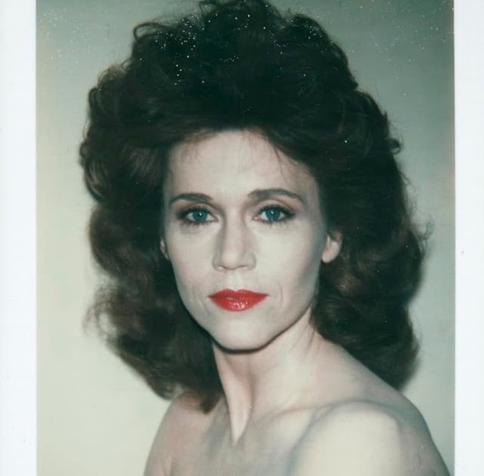
This article explores a series of Polaroid photographs of actress and activist Jane Fonda taken by pop art icon Andy Warhol in 1982 at his New York studio known as The Factory. Warhol frequently used the Polaroid Big Shot camera, introduced by Polaroid in 1971, which was designed for portrait photography with a fixed focus and built-in flash. Although the camera was discontinued in 1973, Warhol continued to use it extensively until his death in 1987, documenting a wide range of subjects including celebrities, political figures, and people from his social circle. In 1982, Warhol photographed Jane Fonda as part of this ongoing Polaroid practice. These images were not merely casual snapshots; they served as reference material for his later silkscreen portraits. One of the resulting works became the well-known piece titled 'Jane Fonda 268,' produced in an edition of 100 prints. Some of these prints were reportedly signed by both Warhol and Fonda, highlighting the collaborative and semi-commercial nature of Warhol’s portrait production. The article also situates Fonda within her broader cultural and political context. During the 1970s and 1980s, she was widely recognized for her outspoken activism, particularly her opposition to the Vietnam War and her advocacy for women’s rights. This made her a polarizing yet influential public figure, aligning her with Warhol’s own provocative engagement with celebrity culture. Warhol’s diary entries occasionally mention Fonda, suggesting a professional relationship marked by mutual respect. Both figures used their public visibility to shape cultural discourse in different ways—Warhol through visual art that both celebrated and critiqued fame, and Fonda through political activism and performance. The Polaroids from 1982 thus represent a convergence of two major cultural icons of the era, captured at a moment when art, celebrity, and politics often intersected.
 Dr. Dani Sanchez
 gregR ☯
 The Vinyl Ape 🦧
 Craig Constantine
 Italian News by RSS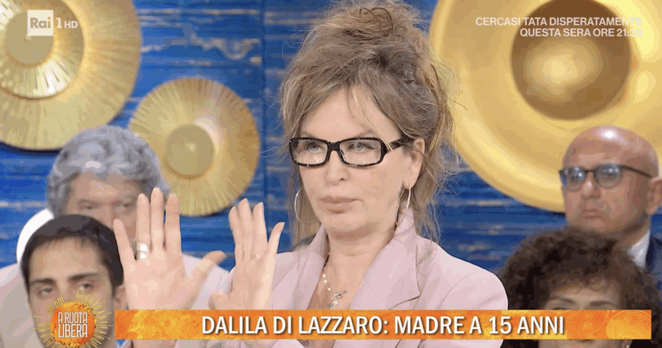
 KillBait News
 KillBait