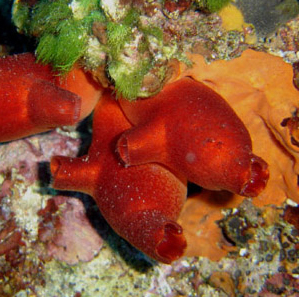
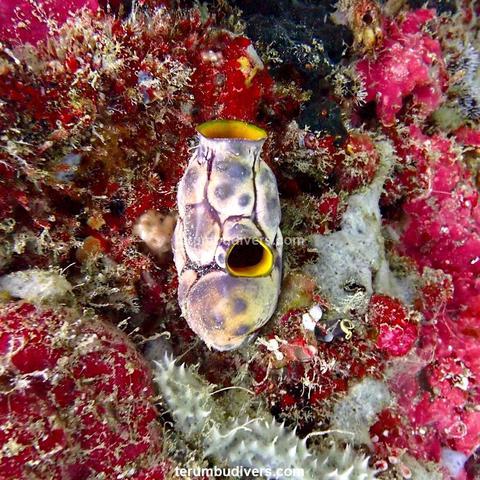
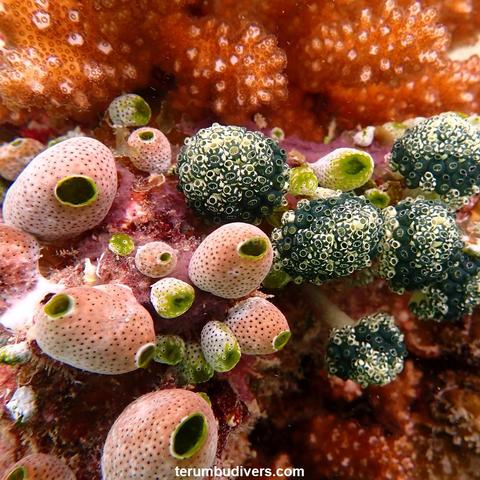
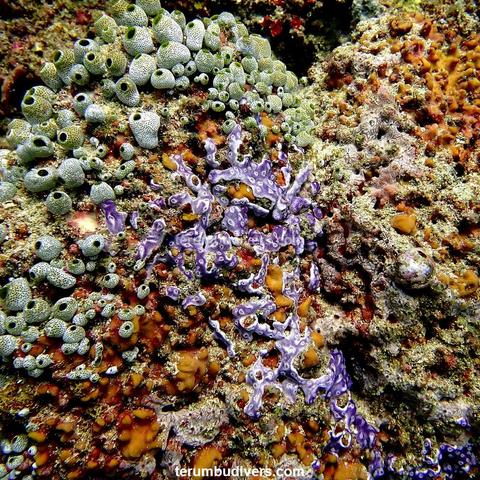
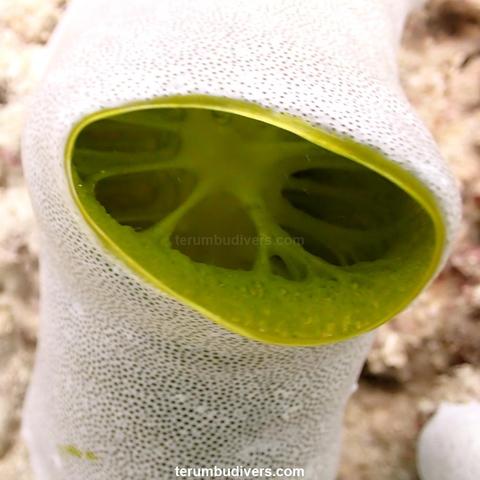
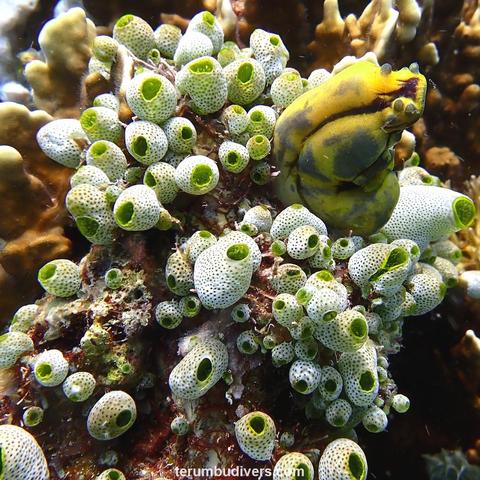
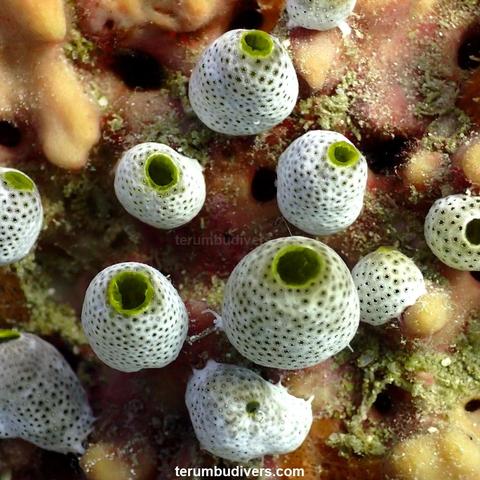
#gili #giliislands #lombok #singapore #diving #scuba #trawangan #diveandstay #giliair #weekend #ocean #sealife #marinelife #padi #reef #seasquirt
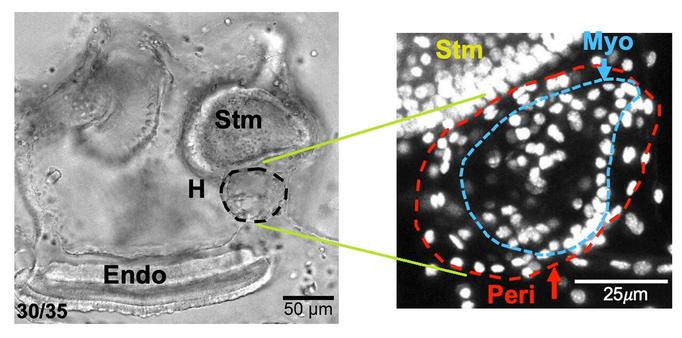
@sflorg #multimodalimaging to #map the detailed anatomy of animals, such as a #seasquirt lead to new insights and discoveries. #Fluorescence is an aspect that can recently be discovered also even in tetrapods, where it was formerly not expected, as for example in the fire salamander.
Making me think that there is indeed nothing that we have fully understood. New #questions arise with new available technologies, good for the future of natural scientists.
Text S.F.Wirth
https://de.wikipedia.org/wiki/Seescheiden#/media/Datei%3AHaeckel_Ascidiae.jpg
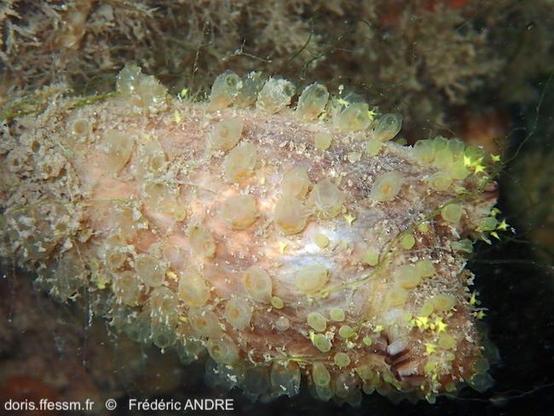
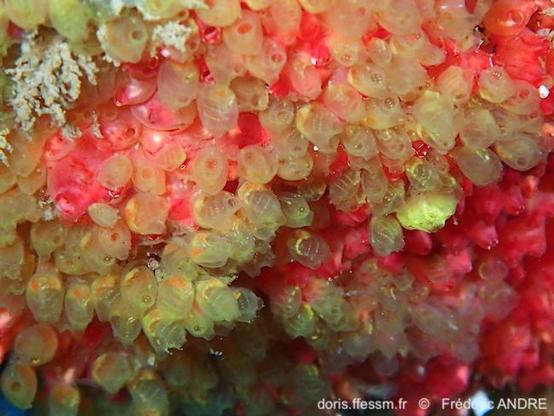
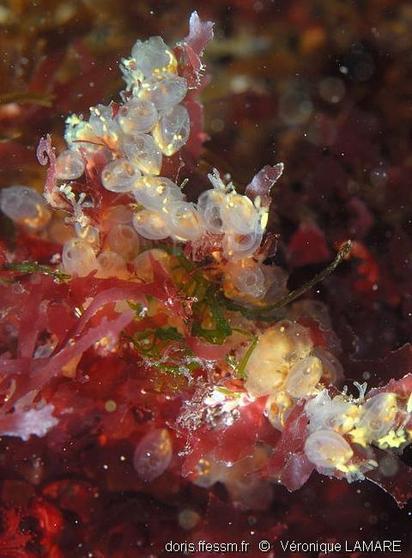
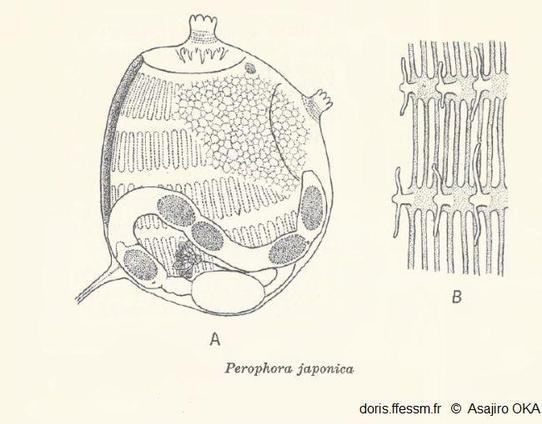
... Et pour suivre, nous vous servons la nouvelle fiche d'une #ascidie coloniale, voyageant depuis l'Asie et (malheureusement) #invasive sur nos côtes atlantiques nord-est et méditerranéennes : la pérophore japonaise.
QUINTIN Christophe, ANDRÉ Frédéric, MÜLLER Yves in : #DORIS, 23/01/2026 :
Perophora japonica Oka, 1927, https://doris.ffessm.fr/ref/specie/3050
#biodiversity #Tuniciers #biodiversite #Urochordata #Ascidiacea #seaSquirt #ffessm #Perophora
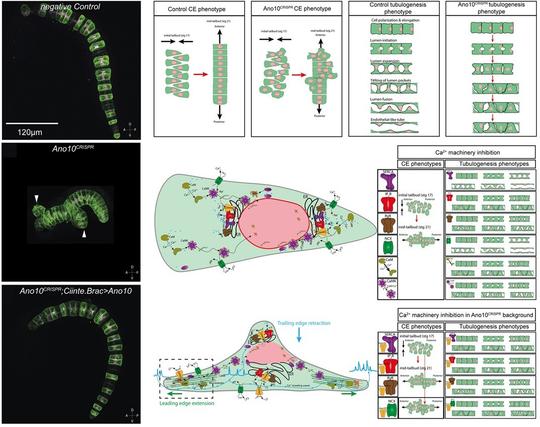
The notochord is an essential tubular organ that defines the chordate phylum. This study reveals that an ion channel called Anoctamin 10 orchestrates the robust morphogenesis of the notochord in the urochordate Ciona intestinalis.
Individual signaling pathways, such as fibroblast growth factors (FGFs), can regulate a plethora of inductive events. According to current paradigms, signal-dependent transcription factors (TFs), such as FGF/MapK-activated Ets family factors, partner with lineage-determining factors to achieve regulatory specificity. However, many aspects of this model have not been rigorously investigated. One key question relates to whether lineage-determining factors dictate lineage-specific responses to inductive signals or facilitate these responses in collaboration with other inputs. We utilize the chordate model Ciona robusta to investigate mechanisms generating lineage-specific induction. Previous studies in C. robusta have shown that cardiopharyngeal progenitor cells are specified through the combined activity of FGF-activated Ets1/2.b and an inferred ATTA-binding transcriptional cofactor. Here, we show that the homeobox TF Lhx3/4 serves as the lineage-determining TF that dictates cardiopharyngeal-specific transcription in response to pleiotropic FGF signaling. Targeted knockdown of Lhx3/4 leads to loss of cardiopharyngeal gene expression. Strikingly, ectopic expression of Lhx3/4 in a neuroectodermal lineage subject to FGF-dependent specification leads to ectopic cardiopharyngeal gene expression in this lineage. Furthermore, ectopic Lhx3/4 expression disrupts neural plate morphogenesis, generating aberrant cell behaviors associated with execution of incompatible morphogenetic programs. Based on these findings, we propose that combinatorial regulation by signal-dependent and lineage-determinant factors represents a generalizable, previously uncategorized regulatory subcircuit we term “cofactor-dependent induction.” Integration of this subcircuit into theoretical models will facilitate accurate predictions regarding the impact of gene regulatory network rewiring on evolutionary diversification and disease ontogeny.