Swansea man helps shape research to prevent sight loss from diabetes
“Nobody should be losing their sight to diabetes if it’s preventable.” That’s the powerful message from a Swansea man living with type 1 diabetes, who is helping shape research that could transform eye care across Wales and beyond.
Paul’s lived experience drives research
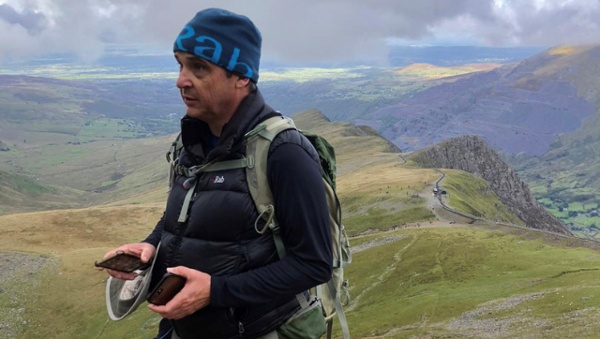
Paul Coker, 53, has lived with diabetes since the age of five. Thanks to laser treatment, his vision has been preserved — but he knows many others are not so fortunate.
“It saddens me deeply that there are people out there whose eyesight is at risk because they’re on a waiting list to see a specialist,” he said. “If this study works, more people could get the care they need, when they need it.”
Tackling a growing health challenge
Diabetic retinopathy remains one of the leading causes of sight loss among working‑age adults in the UK. While modern treatments have reduced the risk, delays in accessing care still put thousands at risk.
Until recently, diabetes was the number one cause of sight loss in working‑age people. With cases of diabetes rising, the pressure on NHS eye services is only increasing.
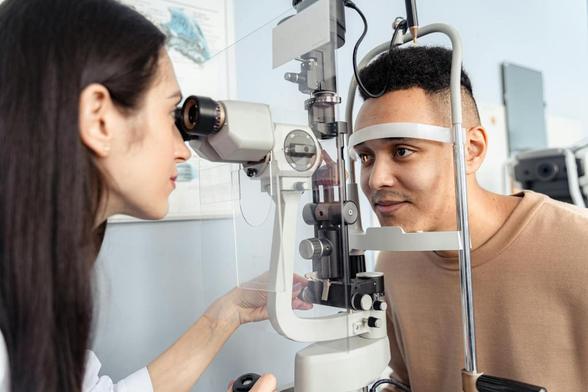
An optician carries out an eye test using specialist equipment, highlighting the importance of regular eye checks to prevent sight loss.
(Image: Antoni Shkraba Studio on Pexels.com)The AVENUE‑PDR study
Paul is now a public involvement member and co‑applicant in the AVENUE‑PDR study, led by Professor Steve Bain, Assistant Medical Director for Research & Development at Swansea Bay University Health Board and Specialty Lead for Diabetes at Health and Care Research Wales.
The study, funded by Health and Care Research Wales, is exploring whether trained eye care practitioners — not just consultants — can safely provide laser treatment for people with diabetes at risk of sight loss.
Professor Bain explained:
“There is a shortage of eye specialist consultants, not only in Wales and the UK, but throughout the world. This, in conjunction with increasing numbers of people living with diabetes, means that many people with sight‑threatening eye conditions cannot access timely laser therapy.”
If successful, the study could relieve bottlenecks in care, reduce waiting times, and prevent avoidable blindness.
A “win‑win‑win” for patients and the NHS
Paul believes the benefits are clear:
- Patients get timely treatment.
- The NHS eases pressure on overstretched services.
- Specialist doctors can focus on the most complex cases.
“I see only potential upsides,” he said. “Nobody should be losing their sight to diabetes if it’s preventable. It’s devastating not just for the individual, but for their families too.”
Looking ahead
Paul will begin a PhD at Swansea University in October, focusing on how the complications of diabetes are communicated in ways that are both empathetic and empowering.
For him, the message is simple: regular eye checks and timely access to treatment save sight.
National Eye Health Week
This story comes as part of National Eye Health Week, which runs from 23–29 September, raising awareness of the importance of eye health and the need for regular sight tests.
#diabetes #diabeticEyeCare #DiabeticRetinopathy #eyeTest #Health #HealthAndCareResearchWales #laserTreatment #Optician #sightLoss #SwanseaBayUniversityHealthBoard #Type1Diabetes #Type2Diabetes
 Wisdom4theblind
 Editor