 Howard Smith MD, AM
Cure For Adult Lazy Eye. Adult ablyopia and vision loss, thought to be permanent, can be reversed with retinal aesthesia says MIT researchers. #amblyopia #lazyeye #retina #anesthesia
https://www.instagram.com/p/DSBM6S-jkSM/
https://www.instagram.com/p/DSBM6S-jkSM/

Howard G. Smith MD, AM on Instagram: "Cure For Adult Lazy Eye Lazy eye or amblyopia typically begins in childhood when one eye develops decreased vision. It can occur due to poor eye alignment, so-called cross-eyes or strabismus, or due to the affected eye being not capable of focusing due to excessive near- or far-sightedness. The accepted fact is that, once an eye shuts down, there is no way to recover the vision. MIT brain and cognitive scientists disagree and now report their studies showing vision recovery in the journal Cell Reports. In a mouse model, they demonstrate that temporarily anesthetizing the weak eye’s retina for several days leads to rejuvenation of the brain’s optical pathways and sight recovery for that eye when the anesthesia wears off. The investigators now plan confirmatory studies in primates to be followed by clinical trials. Their current success suggests that adult optical nervous pathways are capable of more regeneration than once thought. https://medicalxpress.com/news/2025-11-vision-rebooted-adults-amblyopia.html https://www.cell.com/cell-reports/fulltext/S2211-1247(25)01338-5?_returnURL=https://linkinghub.elsevier.com/retrieve/pii/S2211124725013385?showall=true #amblyopia #lazyeye #retina #anesthesia"
Adult lazy eye reversal is a game-changer for those living with amblyopia. Scientists at MIT have made a breakthrough discovery that temporarily anesthetizing the weak eye's retina can rejuvenate the brain's optical pathways, leading to sight recovery. This promising research opens up new possibilities for treatment and management of lazy eye in adults. With the help of technology and medical advancements, we may see a shift in the way we approach eye care and lazy eye treatment. The future of eye health is looking brighter than ever. Follow us for the latest updates on this groundbreaking research and its potential impact on your vision.
 Bob the Traveler
 🤘 The Metal Dog 🤘
 All Scientifical
 SabiLewSounds
 Chronic Illness Humor Funny
 PLOS Biology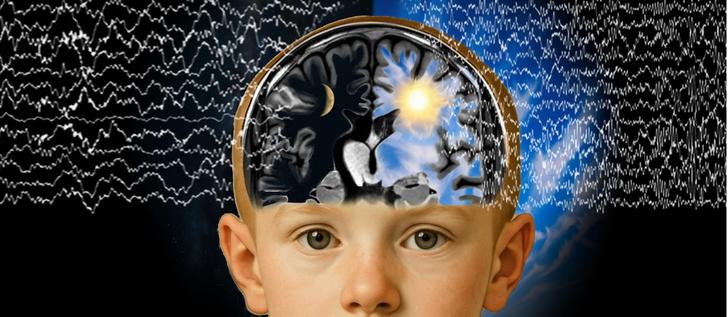
 ΞVΞ🌸
ΞVΞ🌸 Scientific Frontline